Har Ki Dun Trek Highlights: Scenic Campsites and Local Villages
 Ankit Rawat
02 Sep, 2025
9 mins read
74
Ankit Rawat
02 Sep, 2025
9 mins read
74
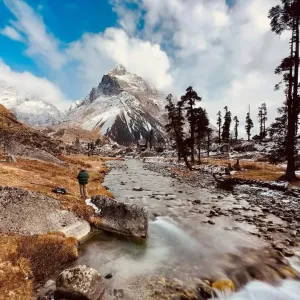
The Har Ki Dun trek in Uttarakhand is one of the most loved treks in the Himalayas. Known as the “Valley of Gods,†this trail offers a mix of natural beauty and cultural experiences. At an altitude of about 11,500 feet, it takes trekkers through forests, rivers, wide meadows, and peaceful villages that still follow age-old traditions.
One of the reasons Har Ki Dun is so special is because it is not just about reaching a destination. Every campsite and every village on the way has something unique to offer. For trekkers, these stops become highlights of the journey, making the trek memorable beyond just mountain views.
Scenic Campsites on Har Ki Dun Trek
1. Sankri – The Starting Point
The trek begins from Sankri, a small village surrounded by pine forests and mountain views. It is a peaceful base where trekkers prepare for the journey ahead. The evening skies here are often painted in shades of orange and pink, setting the right mood for the trek.
2. Osla – A Village with Legends
One of the most charming stops on the trek is Osla village. Known for its wooden houses and ancient temple dedicated to Duryodhana from the Mahabharata, Osla introduces trekkers to unique traditions. Staying here gives a glimpse of rural Himalayan life, with farming fields, smiling locals, and wooden carvings on houses.
3. Seema – Riverside Camping
Across the river from Osla is Seema, another popular campsite. Trekkers camp beside the Supin River, surrounded by tall mountains and green forests. The sound of the flowing river at night makes camping here very relaxing.
4. Har Ki Dun Valley – The Final Campsite
The highlight of the trek is reaching the Har Ki Dun valley itself. The campsite here is surrounded by snow-covered peaks like Swargarohini and Black Peak. Wide meadows, grazing fields, and a clear river make this spot one of the most beautiful places to camp in the Himalayas. Sunrises and sunsets here are breathtaking, and many trekkers say this is the most rewarding moment of the trek.
Exploring Local Villages
The villages on the Har Ki Dun trek are as fascinating as the natural views. They are small, traditional, and rich with history.
- Osla Village: Famous for its temple and legends, Osla is where trekkers learn about the stories connected to the Mahabharata. Locals are friendly and often share tales of their culture and beliefs.
- Gangad Village: A quiet village with wooden houses and farming fields, Gangad gives trekkers a chance to see life in the mountains up close. The lifestyle here is simple, yet it carries a charm that stays with visitors.
- Seema: Though smaller, Seema is important as a resting place. It shows how villages survive near rivers, using the natural surroundings to support daily life.
These villages highlight the cultural richness of the trek. Walking through them feels like stepping back in time, as many traditions here have remained unchanged for centuries.
Why These Highlights Matter
The Har Ki Dun trek is not only about reaching the valley. It is about enjoying the journey itself. The campsites allow trekkers to rest in the lap of nature, under starry skies, beside rivers, and amidst meadows. The villages offer stories, traditions, and warm hospitality that add a cultural depth to the adventure.
Together, these highlights make Har Ki Dun different from many other Himalayan treks. It becomes more than just a physical journey—it becomes a mix of nature, history, and human connection.
Best Time to Do the Trek
- Summer (April to June): Green meadows, pleasant weather, and blooming flowers.
- Autumn (September to November): Golden forests, clear skies, and great mountain views.
- Winter (December to March): Snow-covered valley and frozen rivers, perfect for those who love winter treks.
The monsoon months (July to August) are best avoided due to heavy rainfall and slippery trails.
Tips for Trekkers
- Wear proper trekking shoes with good grip.
- Carry warm clothes, as nights are very cold even in summer.
- Stay hydrated and keep snacks handy during long walks.
- Respect local culture and avoid littering in villages and campsites.
- Travel with guides or groups for safety and better experiences.
Final Thoughts
The Har Ki Dun trek is one of the most rewarding Himalayan journeys because it combines nature and culture in a unique way. The scenic campsites bring peace and beauty, while the local villages bring warmth and history.
For trekkers, it is a chance to sleep under starry skies, walk along rivers, listen to mountain legends, and connect with people who live close to nature. If you are looking for a trek that offers both breathtaking views and cultural immersion, Har Ki Dun is the perfect choice.
FAQs About Har Ki Dun Trek
Q1. How long does the Har Ki Dun trek take?
The Har Ki Dun trek usually takes 6–7 days to complete, covering around 45–50 km.
Q2. Is the Har Ki Dun trek good for beginners?
Yes, Har Ki Dun is a moderate-level trek suitable for beginners with basic fitness. The gradual climb and cultural experiences make it a great choice for first-time trekkers.
Q3. What is the best time to do the Har Ki Dun trek?
April to June and September to November are the best months for clear skies and comfortable weather. December to March is ideal for snow lovers.
Q4. Can we camp in Har Ki Dun valley?
Yes, the Har Ki Dun valley itself is a campsite. Trekkers set up tents in meadows surrounded by snowy peaks, making it one of the most scenic spots in Uttarakhand.
Q5. Which villages are on the Har Ki Dun trek route?
Some of the key villages are Osla, Seema, and Gangad, each known for wooden houses, temples, and traditional Himalayan culture.
Written By:
Ankit Rawat

Hotels at your convenience
Now choose your stay according to your preference. From finding a place for your dream destination or a mere weekend getaway to business accommodations or brief stay, we have got you covered. Explore hotels as per your mood.