Har Ki Dun Trek in Uttarakhand – Trek Experience | Mapping the Himalayas
 Kajal Rana
16 Mar, 2026
12 mins read
57
Kajal Rana
16 Mar, 2026
12 mins read
57
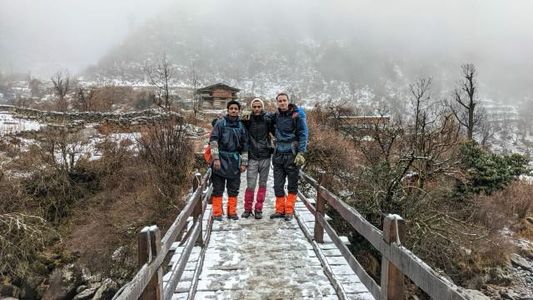
The Har ki dun trek in Uttarakhand is more than just a mountain adventure. It is a journey through culture, nature, and ancient Himalayan villages. I truly believe that Har ki doon is one of the most beautiful trekking experiences in India because it offers everything a trekker dreams of - snow peaks, rivers, forests, traditional villages, and warm mountain hospitality.
As a trek leader with Mapping the Himalayas, guiding trekkers on the Har ki doon trek Uttarakhand was a memorable experience. From the scenic drive to Sankri to exploring the magical Har Ki Dun valley, every day of the trek felt special.
Beginning the Journey to Sankri
Our Har ki doon trek began early in the morning from Rishikesh. I picked up our trekkers, Ankush and Kaly Negi, who had come all the way from the USA. We started our journey at 7:30 AM and headed toward Sankri village, the base camp for the Har ki dun trek in Uttarakhand.
The road passed through beautiful mountain landscapes. As we drove toward Mussoorie, the cold mountain air was refreshing. The roads were empty, and the rising sun slowly lit up the hills. At first, my trekkers were resting after their long journey, but soon they woke up and started chatting.
Kaly Negi shared that he had already climbed Mount Kilimanjaro and completed the Annapurna Base Camp Trek in Nepal. Ankush rawat was very curious about the Himalayan culture. While looking outside the window, he asked many questions—about the round Pahadi caps that men wear and the scarves that women wear on their heads. I happily explained to them about the culture of Uttarakhand and the traditions of the mountain people.
We stopped for lunch on the way and enjoyed a traditional Indian meal of rajma chawal, roti, sabji, and raita. Our trekkers loved the food. During lunch, they asked about the villages we were passing along the route.
I explained that after Rishikesh we crossed Mussoorie, Nainbagh, Naugaon, Purola, Jarmola, and Mori before finally reaching Sankri.
By evening we reached Sankri and checked into the guesthouse managed by Mapping the Himalayas. The view of the mountains from the large windows amazed our trekkers. After tea and snacks, we had dinner and I briefed them about the upcoming Har ki doon trek Uttarakhand, including safety tips and packing essentials.
Into the Villages of Uttarakhand
The second day of our Har ki doon trek began with a beautiful sunrise over the mountains. After breakfast, we took a local Bolero vehicle to reach Gangad village, which is the starting point of the trek.
The road to Gangad was adventurous and passed through dense forests, waterfalls, and beautiful trees like pine and rhododendron. The 23-kilometer drive took around two hours. On the way, we passed small villages like Taluka and Datmir.
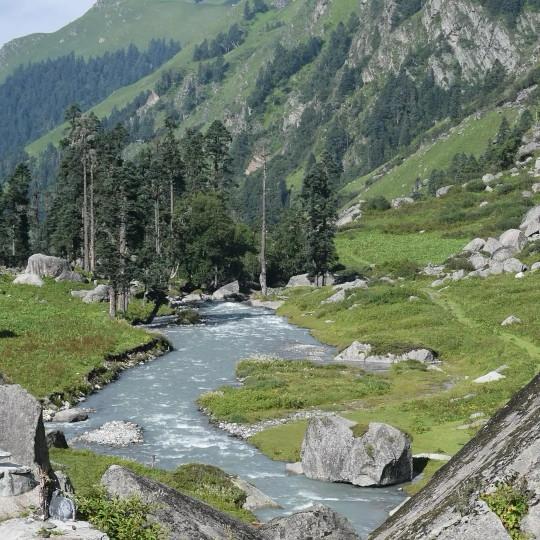
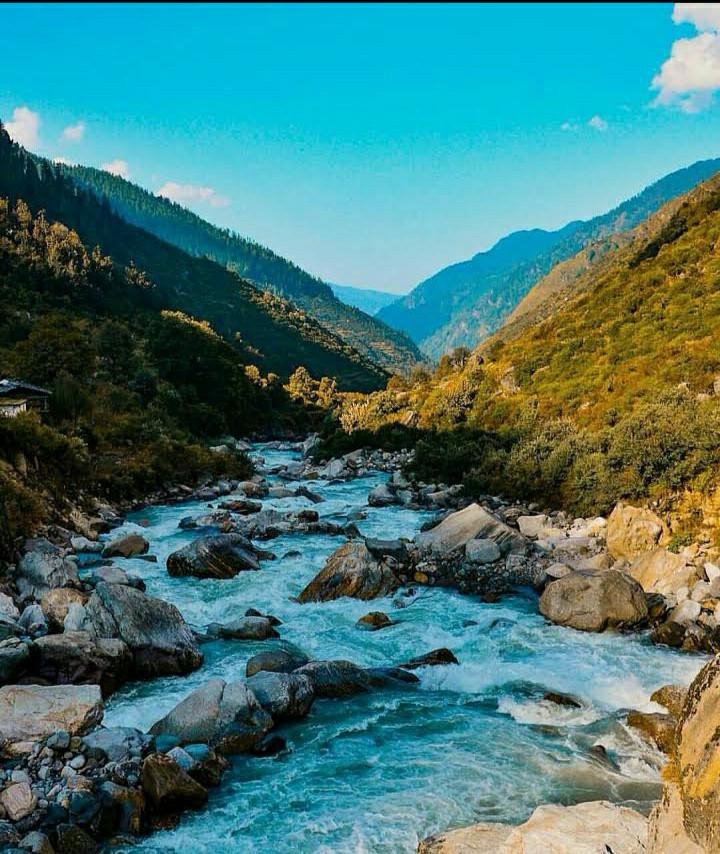
When we reached Gangad, the weather was warm. We saw local farmers working in their fields growing potatoes. The trek route followed the Supin River and slowly descended into the valley.
As we continued the Har ki dun trek in Uttarakhand, we saw walnut trees, pine forests, and blooming rhododendrons. The weather soon changed from sunny to cool, and light rain started to fall. Fortunately, we reached our campsite at Seema, located below the beautiful village of Osla.
From the campsite we could clearly see the traditional wooden houses of Osla village across the valley. The campsite was surrounded by farmland where local villagers were working.
After reaching the campsite, our trekkers rested while I checked their oxygen levels and ensured they were acclimatizing well. Later, we enjoyed tea, snacks, soup, and dinner while discussing the next days plan of the Har ki doon trek Uttarakhand.
Trekking Through Forests and Meadows
The third day of the Har ki doon trek started with a cold morning. During the night the temperature had dropped more than expected. But as the sun rose, the valley became warm and bright again.
We enjoyed breakfast outdoors while listening to the sound of the river and watching the surrounding mountains. Soon after, we started trekking toward Boslo campsite.
We crossed a wooden bridge and met several local villagers along the way. They always greet visitors with warm smiles. Since our trekkers were foreigners, I helped translate conversations between them and the villagers.
Along the trail, we stopped at a small local shop where a villager offered us rhododendron juice and local berry juice. Both drinks were refreshing and unique to the region.
The trail passed through lush green meadows and dense forests. On the way we saw vultures resting and flying nearby. It was both exciting and a little scary to see them so close.
We crossed several mountain streams where we drank fresh glacier water. After trekking about 10 kilometers, we reached our campsite at Boslo, located at around 3560 meters altitude. Soon after reaching the campsite, rain began again, and we enjoyed a hot lunch prepared by our cook.
Exploring Har Ki Dun Valley and Marinda Tal
The most exciting day of the Har ki dun trek in Uttarakhand was when we explored the famous Har Ki Dun valley and Marinda Tal.
The morning began with the sound of the nearby river and birds chirping. Our trekkers were very excited because this was the highlight of the Har ki doon trek Uttarakhand.
After breakfast, we started trekking toward the valley. The trail passed through beautiful forests of pine and rhododendron, along with apple trees blooming with white flowers.
After trekking around 3 kilometers, we entered the breathtaking Har Ki Dun valley. In the middle of the valley we saw a large rock with a Shivling and Trishul placed on it. We took blessings there and spent some time enjoying the incredible mountain views.
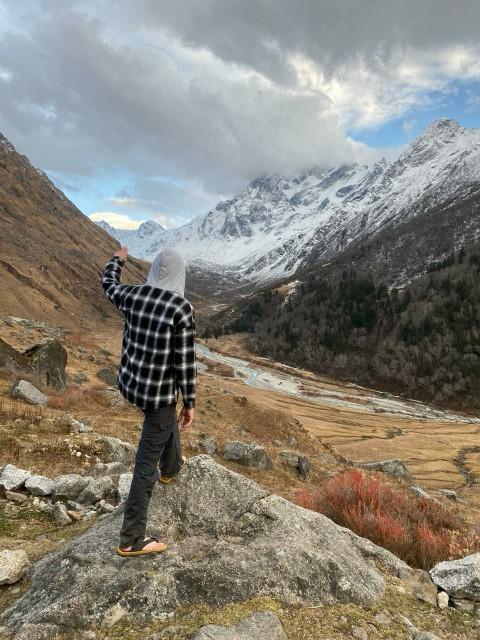
From there, we continued toward Marinda Tal, which is around 3 kilometers further. The trail became steeper and soon we started walking on snow. Surrounded by towering peaks, it felt like we were climbing toward a mountain summit.
Finally, we reached Marinda Lake, which was covered in snow. After spending some time there, we started descending as the weather began to change. Strong winds and light rain followed us back to the campsite.
Visiting Osla Village and Someshwar Temple
The next day it rained throughout the night. Despite the drizzling weather, we continued our Har ki doon trek and planned to visit Osla village and the ancient Someshwar Temple.
The trail was slippery due to rain, so we walked carefully. On the way we stopped at a small dhaba for tea. When we reached Osla village, our trekkers were amazed by the traditional architecture of the wooden houses.
The Someshwar Temple is a very ancient structure made of wood and stone, reflecting the traditional Himalayan style. We spent some time exploring the village before heading back to Seema campsite.
Trekking Back to Sankri
The final day of the Har ki doon trek Uttarakhand began with a pleasant morning. After breakfast, we trekked back to Gangad village and then drove to Sankri.
At the guesthouse of Mapping the Himalayas, we had a hot lunch and rested after completing the incredible journey. The next day we drove back to Rishikesh, ending our unforgettable Har ki dun trek in Uttarakhand.
Why Har Ki Dun is a Cultural Trek
What makes the Har ki doon trek truly special is not only the landscapes but also the culture. The villages of this valley still live a simple mountain life. Many places have no mobile network, and people rely on farming and community support.
The villagers speak the Garhwali language and live like one big family. Their kindness and hospitality make the Har ki doon trek Uttarakhand a unique cultural experience.
This was my first time leading the Har ki dun trek in Uttarakhand, and it quickly became one of the most memorable treks of my life.
A Special Thanks
A special thanks to our trekkers kaly negi and ankush rawat. They were amazing throughout the journey. Whenever they saw trash on the trail, they picked it up and disposed of it properly at the campsite.
Their respect for nature truly reflected the spirit of responsible trekking. Their curiosity about mountains, trees, flowers, and village life made the experience even more enjoyable for me as a trek leader with Mapping the Himalayas.
Written By:
Kajal Rana

Hotels at your convenience
Now choose your stay according to your preference. From finding a place for your dream destination or a mere weekend getaway to business accommodations or brief stay, we have got you covered. Explore hotels as per your mood.