How SaaS Platforms Help Travel Businesses Scale Faster
 Julie Torres
28 Mar, 2026
19 mins read
58
Julie Torres
28 Mar, 2026
19 mins read
58
Scaling Travel Businesses with SaaS Platforms: A Complete Guide
The travel industry has undergone a significant transformation over the past decade. What was once driven by offline bookings, manual coordination, and fragmented systems has now become a highly digital, fast-moving ecosystem. Travel businesses today operate in an environment where speed, efficiency, and user experience directly influence growth. In this evolving landscape, SaaS platforms have emerged as a powerful enabler of scalability.
Scaling a travel business is not just about increasing bookings. It involves managing operations efficiently, handling growing customer demands, optimizing marketing efforts, and maintaining consistent service quality. SaaS platforms simplify these challenges by offering flexible, cloud-based solutions that adapt to business needs without requiring heavy infrastructure.
This detailed guide explores how SaaS platforms help travel businesses scale faster, improve efficiency, and create sustainable growth.
Understanding SaaS in the Travel Industry
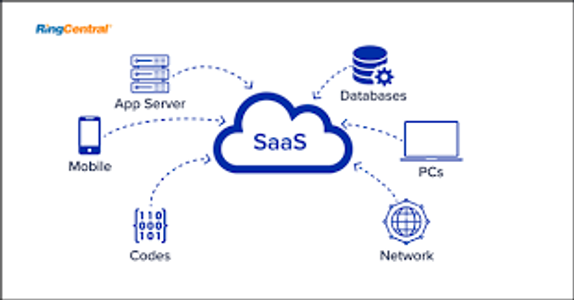
Software as a Service refers to cloud-based applications that businesses can access over the internet without installing or maintaining complex systems locally. For travel businesses, this means having access to powerful tools for booking management, customer engagement, analytics, and operations without investing heavily in hardware or development.
Instead of building systems from scratch, travel companies can use SaaS platforms to streamline their processes. These tools are designed to handle scalability, which is critical for businesses experiencing seasonal spikes or rapid growth.
The flexibility of SaaS makes it particularly valuable in travel, where demand can fluctuate significantly based on trends, holidays, and global events.
The Need for Scalability in Travel Businesses
Scaling in the travel industry comes with unique challenges. Unlike many other sectors, travel businesses must deal with real-time availability, pricing changes, and customer expectations that require instant responses.
Some common scaling challenges include:
- Managing high volumes of bookings during peak seasons
- Handling customer inquiries across multiple channels
- Coordinating with vendors such as hotels and airlines
- Maintaining consistent service quality
Without the right systems, these challenges can slow down growth. SaaS platforms address these issues by providing centralized, automated solutions.
Streamlining Booking and Reservation Management
One of the most critical aspects of any travel business is managing bookings efficiently. SaaS platforms provide centralized booking systems that allow businesses to handle reservations in real time.
These systems offer features such as:
- Automated booking confirmations
- Real-time availability updates
- Integration with multiple travel suppliers
- Centralized dashboards for tracking reservations
By automating these processes, travel businesses can reduce errors, improve efficiency, and handle larger volumes of bookings without increasing operational complexity.
Enhancing Customer Experience
Customer experience plays a crucial role in the success of travel businesses. Modern travelers expect seamless interactions, quick responses, and personalized recommendations.
SaaS platforms help improve customer experience by:
- Enabling personalized communication
- Offering self-service booking options
- Providing instant updates and notifications
- Integrating chat and support systems
These features ensure that customers have a smooth journey from planning to booking and beyond.
Automation of Repetitive Tasks
Manual processes can slow down operations and increase the risk of errors. SaaS platforms automate repetitive tasks, allowing teams to focus on more strategic activities.
Automation can include:
- Sending booking confirmations and reminders
- Managing invoices and payments
- Updating inventory and pricing
- Handling customer follow-ups
This not only improves efficiency but also reduces operational costs.
Centralized Data Management
Data is one of the most valuable assets for travel businesses. SaaS platforms provide centralized systems for storing and analyzing data.
This includes:
- Customer data
- Booking history
- Revenue metrics
- Performance insights
Having access to organized data helps businesses make informed decisions, identify trends, and improve strategies.
Scalability Without Infrastructure Limitations
Traditional systems often require businesses to invest in servers and IT infrastructure to handle growth. SaaS platforms eliminate this need by offering cloud-based scalability.
As the business grows, the system can handle increased traffic and data without requiring additional hardware. This makes scaling faster and more cost-effective.
Integration with Multiple Tools and Platforms
Travel businesses rely on various tools for operations, marketing, and communication. SaaS platforms can integrate with these tools to create a unified system.
Examples include:
- Payment gateways
- Marketing automation tools
- CRM systems
- Analytics platforms
This integration ensures smooth data flow and reduces the need for manual coordination.
Improving Marketing Efficiency
Marketing plays a central role in scaling travel businesses, especially in a highly competitive digital environment where visibility directly impacts bookings. SaaS platforms provide advanced tools that help streamline and optimize marketing efforts while ensuring that businesses reach the right audience at the right time. Instead of relying on broad, generalized campaigns, these tools enable more precise targeting and structured execution.
Through targeted campaigns, businesses can focus on specific user segments based on behavior, preferences, and travel intent. Email marketing automation allows consistent communication without manual effort, ensuring timely updates, offers, and reminders reach potential customers. Customer segmentation further refines this process by grouping users based on meaningful data, making campaigns more relevant and effective. Performance tracking provides clear insights into what is working and what needs adjustment.
By relying on data-driven insights rather than assumptions, travel businesses can continuously refine their marketing strategies. This leads to better engagement, improved conversion rates, and more efficient use of resources over time.
Supporting Multi-Channel Presence
In today’s digital landscape, travel businesses cannot depend on a single platform. Customers interact with brands across websites, mobile applications, and various social media channels. Maintaining a consistent presence across all these touchpoints is essential for visibility and trust.
SaaS platforms simplify multi-channel management by synchronizing data across different platforms. This ensures that booking information, availability, and pricing remain consistent regardless of where the user interacts. Managing content and bookings from a centralized system reduces complexity and minimizes errors.
Consistency in user experience is another key advantage. Whether a customer browses on a mobile app or a desktop website, the experience remains seamless and aligned. This integrated approach not only increases visibility but also improves customer confidence, ultimately leading to higher engagement and reach.
Real-Time Analytics and Insights
Growth in the travel industry depends heavily on understanding performance and adapting quickly to changes. SaaS platforms provide real-time analytics that allow businesses to monitor key metrics continuously rather than relying on delayed reports.
These insights cover booking trends, helping businesses identify peak periods and demand patterns. Customer behavior analysis reveals how users interact with platforms, what influences their decisions, and where they drop off. Revenue performance tracking provides a clear picture of financial health, while campaign effectiveness data helps evaluate marketing success.
Access to real-time data enables faster and more informed decision-making. Businesses can adjust pricing, optimize campaigns, and improve services based on current insights rather than past assumptions. This responsiveness is crucial in a fast-moving industry like travel.
Cost Efficiency and Resource Optimization
Scaling a travel business often comes with increased operational costs, but SaaS platforms help manage growth more efficiently. By reducing dependence on large teams and eliminating the need for heavy infrastructure, these platforms allow businesses to operate with optimized resources.
Automation of repetitive tasks significantly lowers manual workload, enabling teams to focus on strategic activities rather than routine operations. Centralized systems reduce duplication of efforts and improve coordination across departments.
This combination of automation and efficiency leads to better cost control while maintaining service quality. As a result, businesses can scale sustainably without a proportional increase in expenses, improving overall profitability.
Flexibility and Customization
Every travel business operates differently, with unique workflows, target audiences, and service offerings. SaaS platforms address this diversity by offering flexibility and customization options that adapt to specific business needs.
Custom workflows allow businesses to design processes that align with their operations, whether it is booking management, customer communication, or reporting. Branding options ensure that the platform reflects the business identity, maintaining consistency across all customer interactions. Feature selection enables businesses to use only the tools they need, avoiding unnecessary complexity.
This adaptability ensures that the software supports business growth rather than restricting it. As the business evolves, the platform can be adjusted to accommodate new requirements and strategies.
Security and Reliability
Handling customer data, transactions, and sensitive information requires a high level of security and reliability. SaaS platforms are designed with built-in security measures that protect both the business and its customers.
Data encryption ensures that information remains secure during transmission and storage. Secure authentication systems prevent unauthorized access, while regular updates keep the platform protected against emerging threats.
Reliability is equally important. SaaS platforms are built to handle high traffic and maintain uptime, ensuring that services remain accessible even during peak demand. This stability builds trust and supports uninterrupted operations.
Supporting Global Expansion
For many travel businesses, growth involves expanding into international markets. SaaS platforms simplify this process by providing features that support global operations without requiring complex infrastructure changes.
Multiple currency support allows businesses to cater to customers from different regions without confusion. Language options make platforms accessible to a wider audience, improving user experience. Integration with international payment systems ensures smooth and secure transactions across borders.
These capabilities enable travel businesses to reach global audiences more efficiently, reducing barriers to expansion and accelerating growth opportunities.
Role of SaaS in Operational Efficiency
Operational efficiency forms the backbone of scalable growth. SaaS platforms streamline internal processes, reduce manual intervention, and improve coordination between teams.
By automating routine tasks and centralizing operations, businesses can respond faster to customer needs. Improved resource management ensures that time and effort are utilized effectively, while better coordination enhances service delivery.
Efficient operations not only improve performance but also create a stable foundation for long-term growth. This allows businesses to scale without compromising quality or reliability.
The Connection Between SaaS and Digital Growth
Digital growth depends on how effectively a business leverages technology to attract, engage, and retain its audience. SaaS platforms play a critical role in this by enabling better performance, automation, and user experience across digital channels.
These platforms support structured content management, faster website performance, and improved interaction with users. Strategies aligned with Saas seo principles emphasize the importance of optimized systems, clear structure, and data-driven decision-making. SaaS tools contribute to these goals by enhancing visibility, improving engagement, and ensuring that digital assets perform efficiently.
As travel businesses continue to evolve in a digital-first environment, the integration of SaaS platforms becomes a key factor in achieving consistent and scalable growth.
Future of SaaS in the Travel Industry
The future of SaaS in travel looks promising, with continuous advancements in technology.
Key trends include:
- AI-powered personalization
- Predictive analytics
- Voice-based search integration
- Mobile-first solutions
These innovations will further enhance the ability of travel businesses to scale and adapt to changing demands.
Conclusion
SaaS platforms have become an essential component of modern travel businesses. They simplify complex operations, improve efficiency, and provide the flexibility needed to scale quickly.
From booking management and customer experience to marketing and analytics, SaaS solutions support every aspect of growth. By leveraging these platforms, travel businesses can focus on delivering value while adapting to the dynamic nature of the industry.
In a competitive and fast-evolving market, adopting the right SaaS tools is not just an advantage but a necessity for sustainable and scalable success.
Written By:
Julie Torres

Hotels at your convenience
Now choose your stay according to your preference. From finding a place for your dream destination or a mere weekend getaway to business accommodations or brief stay, we have got you covered. Explore hotels as per your mood.