How to Navigate Dallas/Fort Worth International Airport
 Marc Jacobs
24 Jan, 2026
5 mins read
256
Marc Jacobs
24 Jan, 2026
5 mins read
256
Dallas/Fort Worth International Airport is one of the largest and busiest airports in the United States. Serving millions of passengers every year, the airport is a major hub for both domestic and international flights. Its size, multiple terminals, and complex layout can make navigation overwhelming for first-time visitors. However, with some planning and knowledge of the airport’s structure, travelers can move smoothly and efficiently.
The airport has five main terminals labeled A, B, C, D, and E. Each terminal serves different airlines and specific flight routes. Terminals A, B, and C primarily handle domestic flights, while Terminal D is the main hub for international departures and arrivals. Terminal E serves both domestic and limited international flights. Knowing your terminal in advance helps save time and ensures a stress-free travel experience.
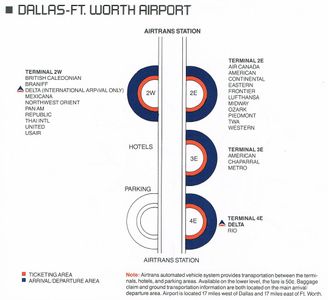
A useful tool for understanding the airport layout is the DFW Airport Map, which gives travelers a detailed view of terminal locations, gate numbers, parking zones, and transport connections. This map is especially helpful for estimating walking distances and locating key services such as restrooms, lounges, food courts, and security checkpoints. For passengers with tight connections or those unfamiliar with large airports, the map is an essential guide.
Transportation between terminals is made easy by the Skylink train system. Skylink runs inside the secure area and connects all five terminals, operating in both directions. Trains run frequently, allowing passengers to reach any terminal quickly without exiting security. This system is especially useful for connecting flights, as it significantly reduces travel time and effort.
Parking at DFW Airport is designed to suit all types of travelers. Terminal parking garages are located directly outside each terminal for quick access. Remote parking options are available for long-term parking at affordable rates, with shuttle services running regularly to transport passengers to terminals. In addition, ride-sharing, taxis, and public transportation pickup points are clearly marked, making ground transportation convenient.
Inside the terminals, travelers will find a wide range of amenities. Restaurants and cafés offer everything from quick snacks to full meals. Retail stores sell travel essentials, gifts, and luxury items. Free Wi-Fi is available throughout the airport, along with charging stations and comfortable seating areas. Lounges, family restrooms, and accessibility services ensure a comfortable experience for all passengers.
Security checkpoints are strategically positioned to manage passenger flow efficiently. Wait times can vary depending on the time of day and terminal. Checking the DFW Airport Map in advance allows travelers to locate security checkpoints, restrooms, dining options, and other facilities near their gate. This helps manage time effectively and reduces stress during peak travel hours.
International travelers primarily use Terminal D, which houses customs, immigration, and duty-free shopping. After completing immigration procedures, connecting passengers can use Skylink to reach other terminals without exiting the airport. Clear signage and helpful airport staff assist travelers throughout the process.
In conclusion, navigating a large airport like DFW becomes much easier with preparation. Understanding terminal layouts, transportation options, and available amenities allows passengers to move confidently through the airport. Whether you are arriving, departing, or connecting, the DFW Airport Map is a key resource that ensures a smooth, organized, and stress-free travel experience at Dallas/Fort Worth International Airport.
Written By:
Marc Jacobs

Hotels at your convenience
Now choose your stay according to your preference. From finding a place for your dream destination or a mere weekend getaway to business accommodations or brief stay, we have got you covered. Explore hotels as per your mood.