How to Prepare for the Annapurna Base Camp Trek: A Complete Guide for Trekkers
 July Part
10 Mar, 2026
11 mins read
47
July Part
10 Mar, 2026
11 mins read
47
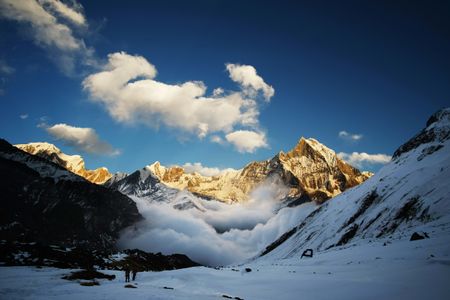
Preparation is the foundation of any successful journey into the high Himalayas. The Annapurna Base Camp Trek stands as one of the most iconic walking routes in the world, offering a mix of terraced farmland, thick rhododendron forests, and a natural amphitheater of giant peaks. While the trail is well-maintained, reaching an altitude of 4,130 meters requires more than just a plane ticket to Nepal. Proper physical, mental, and logistical readiness ensures that you can focus on the scenery rather than your struggles.
Annapurna Base Camp Trek enthusiasts often describe the route as a life-changing experience. To make the most of this adventure, you must understand the environment you are entering. The Khumbu region is different from the Annapurna region, and each has its own set of demands. Preparing for the ABC trek involves a balance of building stamina, selecting the right gear, and understanding the local culture you will encounter along the way.
Physical Conditioning and Stamina Building
You do not need to be a professional athlete to complete this trek, but you should have a good level of fitness. The trail is famous for its stone stairs, particularly the steep climb and descent at Ulleri. Training should begin at least two to three months before your departure date. Focus on cardiovascular exercises such as running, swimming, or cycling to improve your lung capacity and heart health.
Strength training is equally important. Your legs will bear the brunt of the work, so exercises like squats, lunges, and step-ups are highly beneficial. If possible, hike on local trails with a weighted pack to simulate the conditions of the trek. This helps your body get used to the weight of your daypack and the repetitive motion of climbing. Consistency in your training will make the long days on the trail much more enjoyable.
Mental Readiness and Altitude Awareness
Trekking at high altitudes presents a unique set of challenges that are as much mental as they are physical. Altitude sickness is a real concern once you pass the 3,000-meter mark. Understanding the symptoms, such as headaches, nausea, or loss of appetite, is a vital part of your preparation. Mental toughness helps you stay calm if you feel tired or if the weather turns cold.
The key to success is a slow and steady pace. The phrase "bistarai," which means slowly in Nepali, should be your mantra. Preparing your mind to accept a slower pace than you are used to at sea level will help you acclimatize better. It is also wise to consult with a doctor before your trip to discuss altitude medications and ensure you are in good health for high-elevation exertion.
Essential Gear and Packing Strategy
The weather in the Annapurna region can change rapidly. You might start your day in a t-shirt in the subtropical lower sections and end it in a heavy down jacket at base camp. A layering system is the most effective way to manage your body temperature. Your base layer should be moisture-wicking to keep sweat away from your skin. Insulation layers, such as fleece or a down jacket, provide warmth, while a waterproof outer shell protects you from wind and rain.
Your most important piece of equipment is your footwear. Invest in high-quality trekking boots that offer good ankle support and have been broken in well before the trip. Blisters can end a trek prematurely, so ensure your boots are comfortable and paired with moisture-wicking wool socks. Other essentials include a reliable headlamp, a refillable water bottle with purification tablets, and a basic first aid kit for personal medications.
Navigating Permits and Documentation
Before you set foot on the trail, you must have the correct legal documents. The Annapurna region is a protected area, and trekkers are required to have the Annapurna Conservation Area Permit (ACAP) and the Trekkers' Information Management Systems (TIMS) card. These permits help maintain the trails and support local conservation efforts.
It is best to organize these through a reputable trekking agency or at the tourism offices in Kathmandu or Pokhara. You will need several passport-sized photos and your passport details to complete the applications. Keeping digital and physical copies of these documents, along with your travel insurance details, is a smart way to stay organized during your travels.
Understanding Cultural Etiquette and Local Customs
The Annapurna region is home to diverse ethnic groups, including the Gurung and Magar communities. Their traditions and religious practices are deeply woven into the landscape. As you walk, you will see mani walls, prayer flags, and small shrines. It is customary to walk to the left of these religious structures as a sign of respect.
Learning a few basic Nepali phrases can go a long way in building a connection with the local people. A simple "Namaste" with your palms together is a universal greeting that is always appreciated. Being mindful of local traditions, such as removing your shoes before entering a home or monastery, shows that you value the culture. This cultural immersion is often the highlight for many who choose the Annapurna Base Camp Trek.
Health, Hygiene, and Nutrition on the Trail
Staying healthy is a priority when you are far from major medical facilities. The food in the teahouses is generally fresh and nutritious, with "Dal Bhat" being the staple meal. This lentil and rice dish is high in protein and carbohydrates, providing the long-lasting energy needed for trekking. While meat is available, many trekkers choose a vegetarian diet on the trail to avoid the risk of foodborne illnesses from improperly stored meat at high altitudes.
Hydration is your best defense against altitude sickness. Aim to drink at least three to four liters of water every day. Avoid drinking tap water directly; instead, use purification tablets or a filtered bottle. Maintaining personal hygiene with hand sanitizers and biodegradable wet wipes is also important, as hot showers become less frequent and more expensive the higher you trek.
Timing Your Trek for the Best Experience
The time of year you choose to trek will greatly impact your preparation. The spring months of March to May offer blooming rhododendrons and warmer temperatures, making it a popular choice. Autumn, from September to November, is known for its exceptionally clear skies and crisp mountain views after the monsoon rains have cleared the dust from the air.
If you choose to trek in the winter, you must prepare for extreme cold and the possibility of heavy snow blocking the higher passes. Conversely, the monsoon season brings leeches and slippery trails, though the landscape is incredibly green. Understanding these seasonal variations allows you to pack the right clothing and set realistic expectations for the views.
Responsible Trekking and Environmental Impact
The beauty of the Annapurna region is fragile, and as a visitor, you play a role in its preservation. Practicing "Leave No Trace" principles is essential. This includes carrying out all non-biodegradable waste, staying on marked trails to prevent erosion, and avoiding the use of single-use plastic bottles. Many villages in the Annapurna region have established safe water drinking stations where you can refill your bottles for a small fee.
Supporting the local economy by staying in teahouses and hiring local guides and porters is another way to trek responsibly. This provides income for mountain communities and ensures that the benefits of tourism are shared by those who live there. A guide not only provides safety and navigation but also offers deep insights into the geography and history of the region.
A Final Thought on the Journey Ahead
The Annapurna Base Camp Trek is more than just a physical challenge; it is a journey into the heart of the Himalayas. Proper preparation transforms a difficult trek into a rewarding exploration of nature and culture. By focusing on your fitness, gathering the right gear, and approaching the mountains with respect, you set the stage for an unforgettable adventure.
When you finally stand at base camp, surrounded by the towering peaks of Annapurna I and Machhapuchhre, the effort of your preparation will feel small compared to the majesty of the moment. The mountains have a way of putting life into perspective, leaving you with a sense of accomplishment and a deeper appreciation for the world around you. Prepare well, walk slowly, and let the spirit of the Annapurna range guide your path.
Written By:
July Part

Hotels at your convenience
Now choose your stay according to your preference. From finding a place for your dream destination or a mere weekend getaway to business accommodations or brief stay, we have got you covered. Explore hotels as per your mood.