How to Reach Adi Kailash and Om Parvat from Delhi
 Ankit Rawat
27 Aug, 2025
9 mins read
268
Ankit Rawat
27 Aug, 2025
9 mins read
268
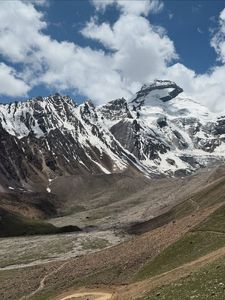
Adi Kailash and Om Parvat are two of the most sacred destinations in the Indian Himalayas. Located in the remote Pithoragarh district of Uttarakhand near the Indo-Tibetan border, they hold immense religious and cultural importance. Adi Kailash, also known as Chhota Kailash, is considered a replica of Mount Kailash in Tibet, while Om Parvat is a rare mountain where the natural snow formations resemble the holy “Om†symbol.
For devotees of Lord Shiva and seekers of peace, the journey to these sacred places is more than just a pilgrimage—it is a spiritual adventure. If you are starting from Delhi, reaching Adi Kailash and Om Parvat requires a combination of train, road, and trekking routes. This guide explains the complete travel process step by step.
Delhi to Kathgodam or Tanakpur
The first step of the journey begins in Delhi. Since Adi Kailash yatra lies in the Kumaon region of Uttarakhand, the most convenient entry points are Kathgodam and Tanakpur, which serve as gateways to the mountains.
- By Train – Several trains run daily between Delhi and Kathgodam, including the Ranikhet Express and Shatabdi Express. The travel time is around 5 to 6 hours. Tanakpur is another option with trains from Delhi, taking about 8 to 9 hours.
- By Road – Buses operated by Uttarakhand Roadways and private operators connect Delhi with Haldwani, Kathgodam, and Tanakpur. Overnight buses are a popular choice for pilgrims. The journey takes about 9 to 11 hours depending on traffic and road conditions.
Both Kathgodam and Tanakpur are well connected, and you can choose based on convenience and availability of transport to the next destination.
Kathgodam or Tanakpur to Dharchula
From Kathgodam or Tanakpur, the journey continues by road to Dharchula, a small town on the banks of the Kali River. Dharchula is the base camp for the Adi Kailash Yatra and the place where all pilgrims must complete registration and obtain permits.
- Distance – From Kathgodam to Dharchula is about 300 km, while from Tanakpur it is around 230 km.
- Travel Time – The drive takes 10 to 12 hours, depending on road conditions.
- Transport Options – Taxis, jeeps, and buses are available, though most pilgrims prefer hiring a private cab for comfort.
The road to Dharchula passes through towns like Champawat, Didihat, and Jauljibi, offering scenic views of valleys, rivers, and pine-covered hills. Dharchula itself is a peaceful Himalayan town with basic facilities for travelers.
Permits and Formalities at Dharchula
Since Adi Kailash and Om Parvat are located close to the Indo-Tibetan border, special permits are mandatory for all visitors. These are issued at Dharchula by the district administration or through Kumaon Mandal Vikas Nigam (KMVN).
- Documents Required – Identity proof, address proof, medical certificate, and passport-sized photographs.
- Registration Process – Travelers must submit documents, undergo basic health checks, and receive entry passes.
- Foreign Nationals – Non-Indians require additional clearances from the Ministry of Home Affairs.
It is advisable to arrange the yatra through authorized travel agencies, as they help with the permit process, accommodation, and local transport.
Dharchula to Gunji
Once permits are ready, the next stage is traveling to Gunji, a small village that acts as the main stopover for both Adi Kailash and Om Parvat.
- Distance – Around 75 km from Dharchula.
- Travel Time – 6 to 8 hours by road.
- Route – The road climbs steadily and passes through villages like Budhi and Chialekh, with dense forests and open meadows along the way.
Gunji is important for acclimatization as it lies at a higher altitude. Facilities here are basic, with guesthouses and camps managed by KMVN and local communities.
Gunji to Om Parvat
From Gunji, pilgrims proceed to Nabidang, the viewpoint for Om Parvat.
- Distance – About 22 km from Gunji.
- Travel Time – 1 to 2 hours by road.
- Highlights – On clear days, the snow formations on the mountain perfectly resemble the sacred “Om†symbol, making it a highly spiritual experience.
The sight of Om Parvat is considered so auspicious that many believe darshan alone fulfills the purpose of the pilgrimage.
Gunji to Adi Kailash
The journey to Adi Kailash continues from Gunji towards Jolingkong, which lies at an altitude of over 4,500 meters.
- Distance – Around 35 km from Gunji to Jolingkong.
- Trek to Parvati Lake – From Jolingkong, pilgrims undertake a short trek of about 3 km to reach Parvati Lake, which lies at the base of Adi Kailash.
Parvati Lake is the center of rituals and prayers. Surrounded by snow peaks, the lake reflects the holy mountain and provides a calm space for meditation. Pilgrims also perform parikrama of Adi Kailash, just as they do at Mount Kailash in Tibet.
Best Time to Visit
The yatra is open only between May and October, when the weather is relatively stable.
- May to June – Clear skies, pleasant temperatures, and green valleys.
- July to August – Monsoon season with rain and landslide risks.
- September to October – Post-monsoon freshness, with snow peaks visible in the distance.
Winter months are harsh and the routes remain closed due to heavy snowfall.
Travel Tips
- Carry warm clothes, trekking shoes, and rain protection.
- Keep cash in hand, as ATMs are rare beyond Dharchula.
- Travel with authorized groups for safety and easy access to permits.
- Carry a medical kit and acclimatize properly to avoid altitude sickness.
- Keep buffer days in your itinerary to account for weather delays.
Conclusion
Reaching Adi Kailash and Om Parvat from Delhi is a journey of faith and endurance. Starting with a train or bus ride to Kathgodam or Tanakpur, followed by a long road journey to Dharchula, and finally moving towards Gunji, Om Parvat, and Adi Kailash, the yatra combines devotion with Himalayan adventure.
For devotees of Lord Shiva and seekers of peace, the effort to reach these remote places is richly rewarded by the divine sight of the Om symbol on the mountain and the sacred beauty of Adi Kailash. Undertaking this yatra at least once in life is considered a blessing, making it one of the most meaningful pilgrimages in India.
Written By:
Ankit Rawat

Hotels at your convenience
Now choose your stay according to your preference. From finding a place for your dream destination or a mere weekend getaway to business accommodations or brief stay, we have got you covered. Explore hotels as per your mood.