In the Lap of the Ghats: Dudhsagar Trekking Adventures Await
 Palakshi Meharwal
12 Aug, 2025
11 mins read
54
Palakshi Meharwal
12 Aug, 2025
11 mins read
54
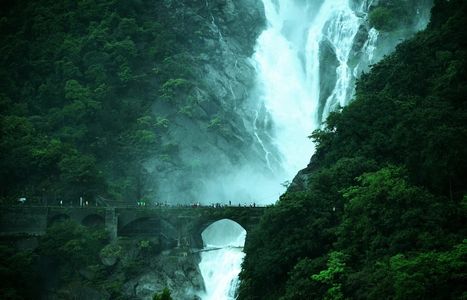
Nestled deep within the lush folds of the Western Ghats, the Dudhsagar Falls is a marvel that seems almost dreamlike. The name “Dudhsagar†translates to “Sea of Milk,†and once you lay eyes on its four-tiered cascade plummeting from a height of over 300 meters, you’ll understand why. The white torrent of water, set against the rich green canopy, creates a sight so mesmerizing that it has become one of the most celebrated trekking destinations in India.
But this isn’t just a tourist stop for photographs—it’s an adventure. The Dudhsagar Trek offers an immersive experience for nature lovers, trekkers, and anyone seeking to lose themselves in the pristine wilderness of the Ghats. With winding trails, railway tracks that cut through the jungle, and an orchestra of forest sounds accompanying your steps, the trek is an adventure that engages every sense.
Why Dudhsagar Falls Holds a Special Place in the Ghats
Located on the Goa–Karnataka border inside the Bhagwan Mahavir Wildlife Sanctuary, Dudhsagar Falls is among the tallest waterfalls in India, with water gushing down from a height of about 310 meters (1,017 feet). During the monsoon season, the waterfall swells into a mighty torrent, resembling a stream of milk tumbling from the clouds—a view that has captivated travelers for generations.
The falls are also entwined with a romantic legend about a princess who used to bathe in a lake nearby. When she was accidentally seen by a prince, her maids poured milk to form a curtain of privacy—thus inspiring the name Dudhsagar.
Beyond legends, its geographical location in the Western Ghats—a UNESCO World Heritage Site—adds ecological significance. The surrounding forest is home to rich biodiversity, from Malabar giant squirrels to king cobras and exotic bird species like the Malabar pied hornbill.
Trekking Routes to Dudhsagar Falls
There are multiple trekking approaches to Dudhsagar Falls, each offering a unique blend of scenery, difficulty, and duration. While official trekking routes inside the sanctuary have been restricted at times for safety reasons, alternative trails and guided options still allow explorers to witness the falls responsibly.
1. Castle Rock Route
This is one of the most popular approaches and follows the railway track from Castle Rock station in Karnataka to the falls. Covering about 14 kilometers one way, it takes 4–5 hours and passes through numerous tunnels, bridges, and dense forest patches. The rhythmic clatter of trains adds a nostalgic charm to the journey.
2. Kulem Route
Starting from Kulem in Goa, this route is slightly shorter—around 11 kilometers—but equally scenic. Trekkers walk along the railway track surrounded by tropical vegetation and occasional wildlife sightings. This trail is often recommended for those who want to experience the falls up close without committing to a full-day trek.
3. Jeep Safari and Short Treks
For those short on time or preferring a lighter adventure, a jeep safari from Kulem takes you through the sanctuary’s rugged terrain. From the drop-off point, a short walk leads to the base of the falls. While this option skips the long trekking experience, it still offers the thrill of off-road travel through the Ghats.
Best Time to Visit
The ideal time to trek to Dudhsagar is between October and February. Post-monsoon, the waterfall retains its grandeur while trails are safer and less slippery. During the monsoon months (June to September), the falls are at their most powerful, but trekking is often restricted due to heavy rains, landslides, and leech-infested paths.
If you’re seeking dramatic, roaring waters for photography, visit just after the monsoon ends. For those who want a calmer, more relaxed trek, the winter months offer clear skies and pleasant temperatures.
Essential Tips for Trekkers
- Physical Preparation: Even though the trek is not extremely technical, it demands stamina. Light cardio, stretching, and regular walks before your trip can make a big difference.
- Gear Up: Comfortable trekking shoes with good grip, a waterproof backpack, and light rain gear are essential.
- Stay Hydrated and Energized: Carry sufficient water and snacks, especially since refreshment options are limited once you start.
- Follow Rules: Since parts of the trek pass through protected forests, respect sanctuary rules. Avoid littering and stick to marked trails.
- Guides and Permissions: When available, opt for authorized guides to ensure safety and to learn more about the flora and fauna along the way.
Wildlife and Flora Along the Route
Trekking to Dudhsagar Waterfall is as much about the journey as the destination. The Bhagwan Mahavir Wildlife Sanctuary is a biodiversity hotspot. You may spot langurs leaping across treetops, colorful butterflies drifting between wildflowers, and endemic plants that thrive only in the Western Ghats’ unique ecosystem. Birdwatchers can delight in spotting species such as the velvet-fronted nuthatch or the Malabar whistling thrush.
The flora here includes dense evergreen and semi-evergreen forests, with towering trees draped in moss, and forest floors carpeted with ferns and wild mushrooms during the rainy season.
The Thrill of the Railway Track Experience
One of the trek’s most memorable aspects is the stretch along the railway tracks. While walking on active tracks requires extreme caution, the experience is unlike any other. The sound of your footsteps mingling with distant train horns and the occasional rumble of an approaching train creates an old-world, adventurous atmosphere. Passing through pitch-dark tunnels—some stretching over 200 meters—adds to the adrenaline rush.
Sustainable Trekking Practices
Dudhsagar’s growing popularity has brought challenges, including littering, noise pollution, and ecosystem disturbance. Trekkers can play a crucial role in preserving this wonder by:
- Carrying reusable bottles and avoiding single-use plastics.
- Not disturbing wildlife or removing plants.
- Joining eco-conscious trekking groups that follow Leave No Trace principles.
Several NGOs and forest authorities have initiated awareness programs to ensure that tourism doesn’t compromise the sanctuary’s delicate balance.
Nearby Attractions
If you have time to explore beyond Dudhsagar Falls, the Western Ghats offer plenty:
- Tambdi Surla Temple: A 12th-century Shiva temple made of basalt, hidden within the forest.
- Devil’s Canyon: A dramatic gorge with turbulent waters, ideal for photography.
- Mollem National Park: Known for its trekking trails, birdlife, and scenic viewpoints.
These spots complement your Dudhsagar adventure, making the trip even more enriching.
Final Thoughts
The Dudhsagar Trek is not just about reaching a waterfall—it’s a journey through one of India’s most enchanting landscapes. From the moment you step into the Ghats, you’re enveloped by the scent of wet earth, the hum of cicadas, and the timeless beauty of a forest that has stood for centuries.
Whether you choose the long route from Castle Rock, the shorter trail from Kulem, or a combination of jeep safari and trekking, the experience will leave you with memories etched as deeply as the rivers that carve through these mountains. In the lap of the Ghats, Dudhsagar truly awaits—offering adventure, serenity, and a reminder of nature’s boundless beauty.
Written By:
Palakshi Meharwal

Hotels at your convenience
Now choose your stay according to your preference. From finding a place for your dream destination or a mere weekend getaway to business accommodations or brief stay, we have got you covered. Explore hotels as per your mood.