Into the Emerald Wild: Discovering the Charm of Kudremukh Trek
 Ellica Cooper
18 Nov, 2025
12 mins read
65
Ellica Cooper
18 Nov, 2025
12 mins read
65
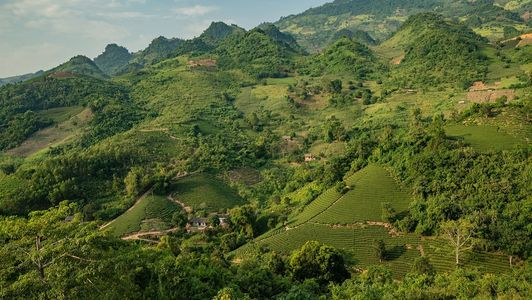
If there’s one trek in South India that effortlessly blends pristine greenery, rolling meadows, mist-wrapped peaks, and wildlife-rich forests, it’s the legendary Kudremukh Trek. Tucked deep inside the Western Ghats of Karnataka—one of the world’s biodiversity hotspots—this trail feels like stepping into an untouched emerald world where nature writes its own poetry. Whether you’re a seasoned trekker or someone planning your first mountain adventure, Kudremukh is the kind of journey that stays with you long after your boots have dried.
Below is everything you need before you head out—from the best time to visit and how to reach, to local tips, budgeting, nearby attractions, and a suggested itinerary—all wrapped in a story-like, friendly guide.
The Allure of Kudremukh: Where Mountains Wear a Green Crown
Kudremukh literally means “horse-face” in Kannada, a name inspired by the unique shape of the peak. But what truly defines this trek isn’t just the summit—it’s the walk to get there. The trail winds through lush forests alive with the calls of Malabar whistling thrush, crosses sparkling streams and muddy slopes, and opens up into expansive meadows that look like they’re cut straight out of a tropical version of the Swiss Alps.
The real charm lies in the harmony between wilderness and silence. There are moments when the mist suddenly clears and you stand face to face with the rolling ridges stretching into the horizon—each one greener than the last. And as someone who’s walked this trail more than once, I can tell you this: the magic hits differently every time.
Best Time to Visit: Finding the Perfect Season for Green Magic
Kudremukh remains beautiful all year round, but every season paints it in a slightly different shade of green. The best time to visit is from October to February, when the monsoons have washed the forests clean and the weather turns pleasantly cool. The skies open up, the visibility is great, and the trails are easier to navigate without slippery patches.
If you prefer a more adventurous challenge, the monsoon months (June–September) offer the most dramatic scenery—waterfalls everywhere, heavy mist, and cloud-soaked meadows. But this season demands high caution, proper trekking shoes, and waterproof gear. Summers (March–May) are warm and relatively dry, making the trek doable but less scenic compared to the post-monsoon charm.
No matter when you visit, mornings are spectacular. Start early if you want to watch the sunrise light up the green ridges like a glowing emerald.
How to Reach: Navigating the Route to the Heart of the Ghats
Reaching Kudremukh is straightforward, but planning your logistics in advance saves time and stress. The starting point for trekkers is the Forest Department Office at Mullodi, a tiny hamlet that can only be accessed by jeep.
Most travellers approach Kudremukh via Bengaluru, about 330 km away. Overnight buses run to Kalasa, the nearest town, from where you can hire jeeps to Mullodi. If you’re driving, the Hassan–Belur–Kalasa route is the most scenic, passing coffee estates and rolling hills almost all the way.
Another option is coming in from Mangaluru, which lies around 100 km away and has good road connectivity. This route is ideal if you’re flying in or planning to explore coastal Karnataka along with the trek.
Once you reach Mullodi, the forest entry permit, guide assistance, and basic instructions are handled before you begin your ascent. Keep your ID proof handy and remember: the Forest Department strictly controls the number of trekkers allowed each day to preserve this sensitive environment.
Walking Through Paradise: The Trek Experience You Can Expect
The trek is about 18 km (to-and-fro) and usually takes 7–9 hours, depending on your pace. The first section leads through dense Shola forests where sunlight filters through moss-heavy branches. The air smells of wet leaves, wild ginger, and earth—it feels like walking through an enchanted corridor.
Soon, you’re out on vast grasslands where the landscape truly explodes into shades of green. Water streams cut across the trail, offering refreshing breaks. These streams are clean, but it’s still better to carry your own reusable bottle with a purifier or tablets.
As you climb closer to the summit, the trail narrows, and the famous “horse-face” formation slowly reveals itself. This is usually the moment when trekkers pause—not because they’re tired, but because the view is just that breathtaking.
The summit is spacious and peaceful, often covered in drifting fog. On a clear day, you can see ridge after ridge stretching endlessly, with valleys glowing under the sun. Most trekkers spend around 20–30 minutes here before descending.
If you love photography, Kudremukh is a dream. But honestly, the best pictures you’ll take are the ones you store in your mind—the glistening dew drops, the wind sweeping across the grasslands, and the feeling of tiny raindrops kissing your face even on a sunny day.
Nearby Attractions: What Else to Explore Around Kudremukh
The region surrounding Kudremukh is dotted with hidden gems that many travellers overlook. If you have an extra day or two, you can explore:
● Kalasa Town – Famous for its coffee plantations and the ancient Kalaseshwara Temple.
● Hanuman Gundi Falls – A stunning waterfall inside the Kudremukh National Park, perfect for a refreshing dip.
● Horanadu Annapoorneshwari Temple – A revered temple offering free, delicious meals for visitors.
● Kyathanmakki Grasslands – One of the most scenic offbeat hilltops near Kudremukh with incredible valley views.
● Charmadi Ghat & Soormane Falls – If you’re road-tripping further toward Chikmagalur or Mangaluru, this detour is unforgettable.
These nearby attractions add depth to your itinerary and let you experience both the cultural and natural richness of the Malnad region.
Local Tips, Budgeting & Safety: Things You’ll Be Glad You Knew
Kudremukh isn’t difficult, but it does require preparation. Wear reliable trekking shoes with good grip—slippery trails are common. Carry a lightweight rain jacket, some energy snacks, and at least 2 litres of water. Ponchos are better than umbrellas here because the wind can be playful.
Budget-wise, the trek is quite affordable. Including permits, a guide, jeep sharing, simple homestay accommodation, and basic meals, expect to spend around ₹2,000–₹3,500 depending on your comfort level. If you book through a travel group, packages may range a bit higher but usually include transport from Bengaluru.
Safety is straightforward: stay on marked trails, follow your guide’s instructions, and avoid wandering into restricted forest patches. Kudremukh is home to wildlife like gaur, sambar, and occasionally leopards—but encounters are extremely rare. Most animals prefer to stay away from human presence.
Respect local communities and avoid littering. This ecosystem is fragile, and every wrapper or plastic bottle counts.
Suggested Itinerary: A Smooth Plan for Your Trip
Day 0:
Take an overnight bus or drive from Bengaluru to Kalasa.
Day 1:
Reach Kalasa early morning → Transfer to Mullodi by jeep → Freshen up at homestay →Start trek by 7–7:30 am → Reach summit around noon → Return by late afternoon → Relax and enjoy a hot local dinner.
Day 2:
Explore Hanuman Gundi Falls or visit Horanadu Temple → Drive back to Bengaluru or head onward to Chikmagalur.
This simple plan keeps the experience relaxed yet fulfilling.
A Trek That Changes You, in the Best Way
Kudremukh isn’t just another trekking destination. It’s a reminder of how beautiful the world can be when left untouched. It’s a place where silence feels like music, where the wind smells like rain, and where you reconnect with a version of yourself that’s calm, curious, and alive.
If you’ve been craving a journey that blends adventure with soulfulness, Kudremukh Trek is waiting. Pack your bags, tie those laces, and step into the emerald wild—you’ll come back with a heart full of stories and memories worth returning to.
Written By:
Ellica Cooper

Hotels at your convenience
Now choose your stay according to your preference. From finding a place for your dream destination or a mere weekend getaway to business accommodations or brief stay, we have got you covered. Explore hotels as per your mood.