Into the Heart of Kudremukh: My Soulful Journey on the Kurinjal Trek
 Ruhi RR
04 Nov, 2025
11 mins read
74
Ruhi RR
04 Nov, 2025
11 mins read
74
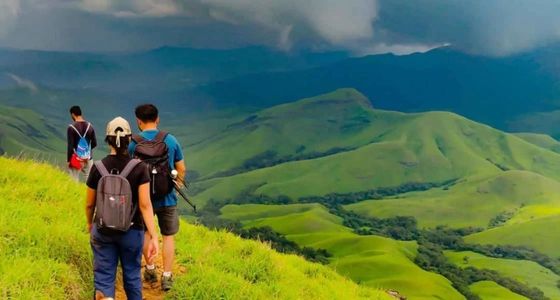
There are some treks that surprise you — not with grand temples or crowded peaks, but with their quiet beauty, raw wilderness, and the sense of peace they bring. The Kurinjal Trek, tucked inside Kudremukh National Park in Karnataka, is one such experience.
Located in the Chikmagalur district, Kurinjal is a lesser-known trail that lets you walk through misty forests, cross sparkling streams, and witness the rolling green hills of the Western Ghats unfold around you. Standing tall at 5,751 feet, Kurinjal Peak may not be as famous as Kudremukh, but it’s equally mesmerizing — perhaps even more so because of its solitude. If you love nature, crave serenity, and prefer trails that are less commercial, the Kurinjal Trek is pure bliss.
Getting There: Journey to the Base of Kurinjal
The base village for the Kurinjal Trek is Balegal (or sometimes Kigga, depending on your route). The trek lies inside the Kudremukh National Park, about 330 km from Bangalore, making it ideal for a weekend getaway.
Here’s how you can reach it:
- By Road: The easiest and most scenic route is from Bangalore to Kudremukh, via Chikmagalur or Kalasa. It takes around 7–8 hours by car.
- By Train: The nearest railway station is Kadur or Mangalore, from where you can hire a cab or take a bus to Kalasa.
- By Air: The closest airport is Mangalore International Airport, roughly 120 km away.
Most trekkers stay in Kalasa or Kudremukh town the night before and begin early the next morning.
Trek Route: Into the Wild Green Heart
The Kurinjal Trek is around 10–12 km one way (20–24 km round trip), depending on the starting point. The trail is moderately challenging — perfect for beginners who want to test their stamina, or seasoned trekkers seeking a relaxed weekend escape.
The Beginning: Through Shola Forests
The trek begins with a steep climb through thick shola forests, alive with birdsong and the rustle of leaves. You’ll spot butterflies, exotic birds, and sometimes even fresh footprints of animals — a reminder that you’re inside a protected reserve.
The forest canopy provides shade and keeps the air cool and damp, but the terrain can get muddy, especially post-monsoon. The smell of wet earth, the hum of cicadas, and the distant call of the Malabar whistling thrush make this stretch enchanting.
Midway: Streams and Open Meadows
After about two hours, the dense woods give way to open meadows. This transition is magical — one moment you’re surrounded by towering trees, the next you’re gazing at undulating green slopes stretching endlessly ahead. Small streams flow across the path, offering perfect spots to refill your water bottles or just dip your feet and rest.
The Final Ascent: Views Worth Every Step
The last section is steep but short. As you approach the summit, the Western Ghats rise and fall like green waves, and clouds drift lazily below you. On clear days, you can spot Kudremukh Peak and nearby ranges, while on misty mornings, everything looks dreamlike — as if floating in the clouds.
The sense of solitude at the top is profound. No shops, no crowds — just the wind, your heartbeat, and the whisper of the hills.
Best Time to Visit Kurinjal Trek
The best time for the Kurinjal Trek is between October and February, when the weather is cool and visibility is excellent.
- Monsoon (June–September): The forests are lush and full of life, but leeches and slippery trails make it challenging. Great for experienced trekkers who love the rain.
- Post-Monsoon/Winter (October–February): Ideal for most — clear skies, pleasant temperatures, and vibrant greenery.
- Summer (March–May): Dry and less scenic; not recommended unless you prefer sunny, clear trails.
If you want that misty, magical charm, plan your trek between November and December.
Permits, Guides, and Forest Rules
Since the trail falls inside Kudremukh National Park, a forest permit is mandatory. You can get one at the Forest Office in Kudremukh, and it’s best to go with a certified local guide — they know the terrain, the wildlife zones, and ensure your trek is eco-friendly and safe.
Only a limited number of trekkers are allowed per day, so it’s wise to book your Kurinjal Trek in advance, especially during weekends and holiday seasons.
Tip: The trek is part of an eco-sensitive area, so plastic is banned. Carry reusable bottles and avoid littering.
Where to Stay and What to Eat
The most convenient places to stay are Kalasa and Kudremukh town, both offering homestays and eco-lodges. Staying in a local homestay adds to the experience — warm hosts, homemade food, and conversations by the bonfire.
You’ll be served traditional Malnad cuisine, rich in coconut, rice, and spices — simple yet hearty. A plate of hot akki rotti or neer dosa after a long trek feels like a luxury.
If you prefer camping, it’s allowed only in designated zones with prior permission from forest authorities.
Nearby Attractions: Make It a Perfect 3-Day Itinerary
If you’re planning a 3-day Coorg–Chikmagalur–Kudremukh trip, Kurinjal can be the highlight, but there’s much more nearby to explore:
- Kudremukh Peak Trek: Another must-do, slightly tougher but with breathtaking views.
- Hanuman Gundi Falls: A gorgeous waterfall perfect for a refreshing dip.
- Gangamoola Hill: The origin point of three major rivers — Tunga, Bhadra, and Nethravathi.
- Hebbe Falls and Kalasa Temple: Scenic and culturally enriching detours.
A great itinerary is:
Day 1: Reach Kudremukh, explore Kalasa and Hanuman Gundi Falls.
Day 2: Trek to Kurinjal Peak.
Day 3: Visit Kudremukh Peak or nearby temples before returning to Bangalore.
Budget and Travel Tips
- Trek Cost: ₹1,500–₹3,000 (self-organized) or ₹3,500–₹4,500 (with trekking operator).
- Homestay: ₹800–₹1,200 per night (meals included).
- Forest Entry Fee: Around ₹300–₹500 per person.
- Guide Fee: ₹500–₹800 per group.
Tips for a smooth experience:
- Start early — the forest gates usually open at 6 AM.
- Wear proper trekking shoes with good grip.
- Carry light rain gear, especially in monsoon.
- Keep snacks, energy bars, and plenty of water handy.
- Respect wildlife and stick to marked trails.
Why Kurinjal Feels Special
What makes Kurinjal Trek truly special is its tranquility. Unlike crowded trails, here you’ll find only the sounds of nature — chirping birds, distant waterfalls, and the soft crunch of leaves beneath your boots.
It’s not just a trek; it’s a journey into a quieter world, where time slows down and every breath feels fresher. The trail teaches patience, appreciation, and mindfulness — things we often lose in our busy lives.
When you finally stand at the top, surrounded by endless green valleys and drifting clouds, you’ll realize why the Western Ghats are called the lungs of India.
So, if you’re looking for a trek that blends challenge, peace, and raw natural beauty, the Kurinjal Trek is your call from the wild — gentle, grounding, and unforgettable.
Written By:
Ruhi RR

Hotels at your convenience
Now choose your stay according to your preference. From finding a place for your dream destination or a mere weekend getaway to business accommodations or brief stay, we have got you covered. Explore hotels as per your mood.