Into the Jungle: Your Ultimate Guide to Amagarh Leopard Safari
 Palakshi Meharwal
17 Oct, 2025
11 mins read
90
Palakshi Meharwal
17 Oct, 2025
11 mins read
90
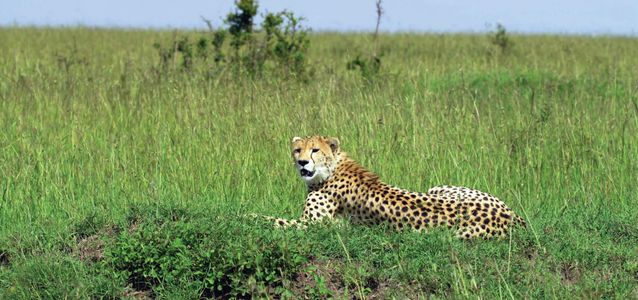
India, with its vast and diverse landscapes, is a haven for wildlife enthusiasts. Among the numerous wildlife sanctuaries that dot the country, Amagarh Leopard Safari stands out as a hidden gem. Located in the heart of Rajasthan, Amagarh has gained popularity among nature lovers and adventure seekers for its rich biodiversity, serene landscapes, and the chance to spot one of India’s most elusive big cats—the leopard. In this comprehensive guide, we will walk you through everything you need to know to plan your unforgettable Amagarh adventure.
A Glimpse of Amagarh
Amagarh is a protected wildlife area situated near Ranthambore National Park in Rajasthan. Unlike Ranthambore, which is well-known and often crowded, Amagarh offers a more tranquil and intimate wildlife experience. The area is covered with dry deciduous forests, grasslands, and small water bodies that attract a variety of wildlife, making it an excellent destination for photographers and wildlife enthusiasts alike.
The reserve’s primary claim to fame is its leopard population. While sightings are never guaranteed in the wild, Amagarh provides one of the best chances to spot these elusive cats in their natural habitat. Besides leopards, the sanctuary is home to striped hyenas, jackals, jungle cats, wild boars, sambar deer, and an array of bird species, making it a complete wildlife experience.
Best Time to Visit
Timing your trip is crucial for a successful safari. The best time to visit Amagarh is between October and June. During these months, the weather is pleasant, the forest roads are accessible, and wildlife is more visible near water sources. The peak winter months, December to February, offer cooler temperatures, ideal for extended safaris. Monsoon season, from July to September, brings lush greenery and rejuvenates the forest, but safaris can be limited due to heavy rains and slippery paths.
How to Reach Amagarh
Amagarh is conveniently located and well-connected by road. The nearest major city is Kota, approximately 120 km away, which has a railway station and bus services. Jaipur, the state capital, is about 230 km away and is connected by both road and air. If you prefer to travel by air, Kota Airport is the closest, while Jaipur International Airport offers more connectivity options.
For local travel, hiring a private taxi or booking a safari package that includes transportation is recommended. The roads leading to the sanctuary are well-maintained, and the journey itself is scenic, passing through villages, farmland, and small forests.
Safari Options and Timings
Amagarh offers jeep safaris, which are the most popular way to explore the reserve. Each safari is guided by trained naturalists who have extensive knowledge of local wildlife and terrain. Safaris are usually conducted twice a day—once in the morning around 6:00 AM to 10:00 AM and once in the evening from 3:00 PM to 6:30 PM.
Morning safaris are ideal for spotting leopards, as these nocturnal predators are more active during dawn and dusk. Evening safaris, on the other hand, are great for birdwatching and catching glimpses of other animals returning to waterholes. The jeep safaris last for about 3 to 4 hours, and booking in advance is highly recommended, especially during peak season.
What Wildlife to Expect
While leopards are the main attraction, Amagarh offers a diverse wildlife experience. You may encounter:
- Leopards: Agile, elusive, and majestic, spotting a leopard is a dream for any wildlife photographer. Early morning safaris increase your chances.
- Hyenas and Jackals: Often seen scavenging near waterholes or hunting small prey.
- Sambar Deer and Chital: Commonly found grazing in grasslands or taking shelter under trees.
- Wild Boars and Jungle Cats: Frequently spotted in forested areas.
- Birdlife: From kingfishers and peacocks to raptors and migratory species, birdwatchers will find the sanctuary a paradise.
The diversity of species ensures that even if you miss a leopard sighting, the safari remains exciting and rewarding.
Safari Tips and Safety Guidelines
Wildlife safaris require preparation and awareness. Here are some essential tips:
- Dress Comfortably: Wear neutral-colored clothing to blend with the environment. Avoid bright colors that may disturb wildlife.
- Bring Binoculars and Camera: Essential for observing distant animals and capturing unforgettable moments.
- Follow the Guide’s Instructions: Guides are trained to navigate safely and ensure minimal disturbance to wildlife.
- Keep Noise to a Minimum: Sudden loud sounds can scare away animals.
- Carry Essentials: Water, snacks, sunscreen, and a hat are important, especially for long safaris.
- Respect Nature: Do not litter or feed animals. Conservation is key to maintaining the sanctuary’s ecosystem.
Accommodation Near Amagarh
While Amagarh itself doesn’t have many hotels, nearby towns and resorts provide comfortable options. Ranthambore and Sawai Madhopur are popular choices, offering everything from budget lodges to luxury resorts with jungle-themed experiences. Some accommodations also provide packages that include safari bookings, meals, and transportation, making your trip hassle-free.
For those seeking a more immersive experience, camping in designated areas near the sanctuary is available. Spending a night under the stars in the jungle can be magical, with the sounds of wildlife creating an unforgettable ambiance.
Photography Opportunities
Amagarh is a photographer’s dream. From capturing leopards prowling through the undergrowth to the sun setting over the forest canopy, every moment offers a picture-perfect opportunity. Early mornings and late afternoons provide the best natural lighting, enhancing your photos’ quality. Bird photographers will also find plenty of subjects, with rare and colorful species gracing the forest.
Remember to maintain a respectful distance and use long lenses when photographing wildlife. Safety is paramount, both for you and the animals.
Conservation and Responsible Tourism
Amagarh is part of India’s conservation efforts to protect wildlife habitats and endangered species. By visiting responsibly, you contribute to these efforts. Avoid disrupting natural habitats, and consider supporting local eco-friendly initiatives. Many tours and guides focus on educating visitors about the sanctuary’s ecology, helping promote awareness and sustainable tourism.
Final Thoughts
The Amagarh Leopard Safari is more than just a wildlife excursion—it’s an adventure into the heart of nature. With its rich biodiversity, serene landscapes, and the chance to see leopards in the wild, the sanctuary promises an unforgettable experience for adventurers, wildlife enthusiasts, and photographers alike.
Whether you’re a first-time safari-goer or a seasoned wildlife explorer, Amagarh offers a perfect blend of thrill, beauty, and tranquility. Plan your trip wisely, respect the natural environment, and immerse yourself in the wonders of the jungle. With patience and a bit of luck, the majestic leopard might just make a fleeting appearance, making your journey truly unforgettable.
Written By:
Palakshi Meharwal

Hotels at your convenience
Now choose your stay according to your preference. From finding a place for your dream destination or a mere weekend getaway to business accommodations or brief stay, we have got you covered. Explore hotels as per your mood.