Into the Wild: Exploring Biodiversity at Kudremukh National Park
 Palakshi Meharwal
16 Sep, 2025
9 mins read
63
Palakshi Meharwal
16 Sep, 2025
9 mins read
63
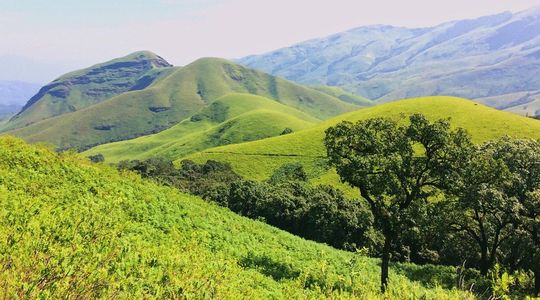
Nestled in the heart of Karnataka’s Western Ghats, Kudremukh National Park is a sanctuary where nature thrives in its purest form. Known for its rolling grasslands, dense shola forests, and mist-covered peaks, this UNESCO World Heritage Site is much more than just a trekking hotspot—it is one of India’s richest biodiversity reserves. The park not only attracts adventure seekers but also researchers, conservationists, and nature lovers who are drawn to its ecological significance.
A Landscape Sculpted by Nature
The name Kudremukh translates to “horse face,†inspired by the unique shape of the mountain peak that resembles a horse’s head. Covering over 600 square kilometers, the park forms part of the larger Western Ghats ecosystem, which is recognized globally for its biodiversity and endemic species. Towering mountains, streams that feed three major rivers (Nethravathi, Tunga, and Bhadra), and patches of evergreen forests make the region a haven for both flora and fauna.
Flora: A Living Green Tapestry
Kudremukh’s vegetation is a fascinating blend of grasslands and shola forests, a rare ecosystem unique to the Western Ghats. These forests are evergreen, thriving in the valleys, while the grasslands dominate the upper slopes.
Some key highlights of the park’s vegetation include:
- Medicinal plants such as Cinnamomum and Myristica are traditionally used in Ayurveda.
- Wild orchids bloom in vibrant colors during the monsoon season.
- Dense canopy layers that support mosses, lichens, and ferns contribute to the park’s rich micro-ecosystems.
This mix of flora plays a critical role in maintaining the hydrology of the region, ensuring perennial water sources for the surrounding districts.
Fauna: A Refuge for the Wild
Kudremukh is home to an impressive array of wildlife, including several endangered and endemic species. Visitors may not always spot them easily, but the forests echo with signs of life.
Some of the key species found here include:
- Large mammals: Tigers, leopards, wild dogs (dhole), and the elusive sloth bear.
- Herbivores: Gaur (Indian bison), sambar deer, and barking deer are often spotted grazing in the meadows.
- Primates: The endangered lion-tailed macaque, an iconic species of the Western Ghats, finds refuge in these forests.
- Birdlife: Over 200 species of birds, including the Malabar trogon, great hornbill, and the imperial pigeon, make the park a birdwatcher’s paradise.
The park’s significance goes beyond its visible wildlife—it also supports amphibians, reptiles, and countless invertebrates that form the foundation of the ecosystem.
Trekking and Ecotourism
One of the main draws for visitors is the Kudremukh Trek, considered among the most scenic trails in South India. The journey takes trekkers across lush meadows, misty ridges, and gurgling streams, with panoramic views at the summit. However, tourism in the park is carefully regulated to ensure minimal disturbance to wildlife.
Beyond trekking, visitors can explore nearby attractions such as Hanuman Gundi Falls, Gangamoola (the origin of three rivers), and tea plantations that dot the surrounding hills. Ecotourism initiatives also encourage responsible travel, blending conservation with livelihood opportunities for local communities.
Conservation Challenges
Despite its protected status, Kudremukh National Park faces several conservation challenges. Historical iron ore mining left scars on the land, and though operations have ceased, ecological recovery is ongoing. Human-wildlife conflict, invasive species, and pressures from tourism also present hurdles.
Conservationists and the Karnataka Forest Department have taken significant steps, including reforestation projects, stricter monitoring, and awareness campaigns. NGOs also play a role in protecting endangered species like the lion-tailed macaque.
Why Kudremukh Matters
Kudremukh is not just a tourist destination—it is a living example of why preserving biodiversity is crucial. The park safeguards water sources for millions, regulates the local climate, and provides habitat for species found nowhere else on earth. For trekkers, it’s an adventure. For scientists, it’s a natural laboratory. And for the global community, it’s part of our shared ecological heritage.
Planning Your Visit
If you’re considering a trip to Kudremukh National Park, here are some practical tips:
- Best time to visit: Post-monsoon season (October to February) offers clear skies, green landscapes, and pleasant weather.
- Permissions: Trekking requires prior permission from the Forest Department to limit the environmental impact.
- Stay options: Eco-stays, homestays, and forest guesthouses are available in nearby towns such as Kalasa and Karkala.
- Responsible travel: Carry reusable bottles, avoid littering, and respect the park’s rules to keep the ecosystem thriving.
Final Thoughts
Into the Wild: Exploring Biodiversity at Kudremukh National Park is more than just an adventure—it is a journey into one of India’s most treasured ecosystems. Whether the thrill of trekking draws you, the serenity of the forests, or the chance to witness rare wildlife, Kudremukh offers an experience that is both humbling and inspiring. Protecting places like these is not merely about preserving beauty; it is about ensuring that future generations inherit a world where wild landscapes and human life can coexist in harmony.
Written By:
Palakshi Meharwal

Hotels at your convenience
Now choose your stay according to your preference. From finding a place for your dream destination or a mere weekend getaway to business accommodations or brief stay, we have got you covered. Explore hotels as per your mood.