Into the Wild: Exploring the Treasures of Kudremukh National Park
 Palakshi Meharwal
19 Sep, 2025
7 mins read
53
Palakshi Meharwal
19 Sep, 2025
7 mins read
53
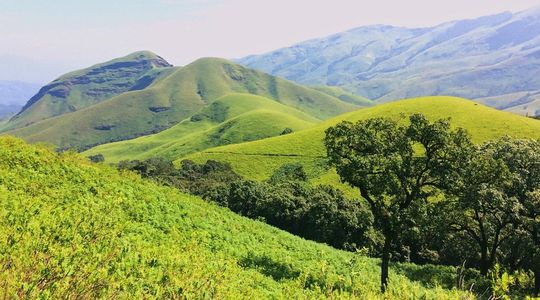
Nestled in the heart of the Western Ghats, Kudremukh National Park is one of Karnataka’s most captivating natural reserves. Known for its rolling hills, dense forests, and rich biodiversity, the park attracts trekkers, wildlife enthusiasts, and nature lovers from across the country. Beyond its scenic beauty, Kudremukh offers a unique blend of adventure, culture, and conservation efforts, making it a true treasure of South India.
A Glimpse into Kudremukh’s Landscape
The park derives its name from the Kannada word Kudremukh, meaning “horse’s face,†which refers to the distinctive shape of one of its mountain peaks. Spanning over 600 square kilometers, Kudremukh National Park forms part of the larger Chikmagalur district and is also a UNESCO-recognized biodiversity hotspot.
What makes this landscape so special is its variety. Visitors can find mist-covered valleys, evergreen forests, bamboo thickets, and expansive grasslands all within a single trek. With elevations ranging from 200 meters to more than 1,800 meters above sea level, the park presents a constantly shifting environment that keeps both adventurers and researchers fascinated.
Flora and Fauna: A Living Treasure
Kudremukh is more than just a trekking destination—it is a sanctuary for countless species. The park is home to the lion-tailed macaque, a rare primate found only in the Western Ghats, as well as herds of gaur (Indian bison), barking deer, and sambar. Birdwatchers often spot Malabar trogons, paradise flycatchers, and a variety of hornbills fluttering across the canopy.
The flora is equally remarkable. Evergreen and semi-evergreen forests dominate the region, with towering teak, rosewood, and bamboo. Medicinal plants and orchids thrive in the humid climate, supporting not only the ecological balance but also traditional knowledge systems among local communities.
The Trekking Experience
One of the main reasons Kudremukh draws adventure seekers is its renowned trekking trails. The Kudremukh Peak Trek, stretching about 18 kilometers both ways, is among the most popular. The trail passes through shola forests, grassy slopes, and streams, offering panoramic views of the surrounding valleys. The moderate difficulty level makes it accessible for beginners while still challenging enough for seasoned trekkers.
Other trekking options include the Kurinjal and Gangadikal treks, which provide equally stunning views with fewer crowds. Regardless of the route, trekkers often describe the journey as a blend of physical challenge and spiritual retreat, thanks to the untouched wilderness.
Rivers and Waterfalls
The park serves as the birthplace of several rivers, including the Tunga, Bhadra, and Nethravathi, which are vital lifelines for communities in Karnataka. Numerous waterfalls cascade down the hills, with Hanuman Gundi Falls being one of the most visited. The cool, clear waters here provide a refreshing break after a long trek and highlight the pristine nature of the region.
Conservation and Responsible Travel
Kudremukh’s ecological significance has led to various conservation efforts. Once known for iron ore mining, the area has since undergone a transition toward environmental protection. Today, the park is a protected area under the Wildlife Protection Act, and visitors are encouraged to follow eco-friendly practices.
Responsible travel is crucial—carrying reusable bottles, avoiding littering, and respecting wildlife all help preserve the delicate ecosystem. Local forest departments often regulate trekking permits to control human impact and ensure sustainable tourism.
Best Time to Visit
The ideal time to explore Kudremukh National Park is between October and February, when the weather is pleasant and the skies are clear. Monsoons, from June to September, drape the hills in lush greenery, but the heavy rains make trekking slippery and challenging. Summers are relatively warm but still cooler than most parts of Karnataka due to the high altitude.
Getting There
The park is well-connected by road. The nearest town, Kalasa, is about 20 kilometers away and serves as a base for most treks. Chikmagalur, located around 100 kilometers from the park, is the nearest major city. For those traveling from Bangalore, the distance is roughly 330 kilometers, making it an ideal weekend getaway.
Why Kudremukh Deserves a Spot on Your Bucket List
Kudremukh National Park offers more than scenic trails—it is a living museum of natural and cultural heritage. Whether you are drawn by the call of adventure, the quiet charm of nature, or the opportunity to spot rare wildlife, Kudremukh promises an experience that lingers long after you leave.
For those seeking an escape from urban chaos, this wilderness provides the perfect retreat. But perhaps the true treasure lies in its reminder of the delicate balance between humans and nature—a balance worth protecting for generations to come.
Written By:
Palakshi Meharwal

Hotels at your convenience
Now choose your stay according to your preference. From finding a place for your dream destination or a mere weekend getaway to business accommodations or brief stay, we have got you covered. Explore hotels as per your mood.