Jaipur’s Wild Side: Explore the Untamed Trails of Amagarh Safari
 Palakshi Meharwal
12 Sep, 2025
11 mins read
36
Palakshi Meharwal
12 Sep, 2025
11 mins read
36
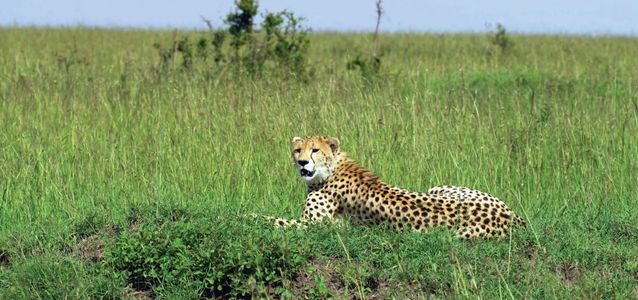
When most travelers think of Jaipur, images of grand palaces, majestic forts, and bustling bazaars immediately come to mind. The Pink City has long been a magnet for history enthusiasts and cultural explorers. Yet beyond its vibrant cityscape lies a lesser-known treasure that is steadily emerging as a must-visit destination for nature lovers and adventure seekers: Amagarh Safari.
Set against the backdrop of the rugged Aravalli Hills, this wildlife safari in Jaipur offers a refreshing break from the usual tourist circuit. The Amagarh Leopard Safari not only highlights the region’s thriving biodiversity but also brings a new dimension to Rajasthan’s travel scene—one that combines eco-tourism with adventure.
The Hidden Gem of Jaipur: Amagarh Safari
Located just a short drive from Jaipur city center, the Amagarh Safari is fast becoming one of the top attractions for those who wish to experience the wild side of Rajasthan. Unlike the famous Ranthambore National Park, which is a few hours away, Amagarh gives travelers the chance to indulge in a wildlife adventure right at Jaipur’s doorstep.
What sets Amagarh apart is its unique mix of history and wilderness. Nestled within the ancient landscapes lies the Amagarh Fort, an 18th-century structure that adds a touch of heritage charm to the safari experience. Imagine spotting a leopard while the silhouette of an old fort looms in the background—a scene that perfectly captures Jaipur’s fusion of the wild and the regal.
Wildlife Encounters: The Stars of Amagarh Safari
The crown jewel of the Amagarh Safari is undoubtedly the Indian leopard. With a healthy population thriving in the area, the safari has quickly gained popularity as a reliable spot for leopard spotting in Jaipur. Unlike some parks where sightings are rare, visitors here often stand a fair chance of witnessing these elusive cats in their natural habitat.
Apart from leopards, the safari is home to an impressive variety of fauna. Wildlife enthusiasts may encounter animals such as striped hyenas, jackals, desert foxes, and jungle cats. The avian life is equally captivating, with species like peacocks, partridges, and various migratory birds dotting the skies, making it a paradise for bird watchers.
The landscape itself adds to the charm. The rocky terrain, scattered vegetation, and seasonal streams create a raw, untamed setting that feels worlds away from Jaipur’s bustling streets.
A Journey Through Untamed Trails
The safari unfolds across trails that weave through rocky outcrops, dry deciduous forests, and valleys of the Aravallis. Each trail has its own character, offering opportunities to witness diverse flora and fauna. Whether you’re an avid wildlife photographer or simply a traveler looking for a thrill, the Jaipur jungle safari experience here does not disappoint.
Jeep safaris are the most popular way to explore the reserve, offering comfort while allowing visitors to cover more ground. The local guides, well-versed in the terrain and wildlife behavior, enrich the journey with fascinating insights into the animals and the history of the land.
Beyond Wildlife: The Allure of Amagarh Fort
No visit to Amagarh is complete without exploring the historic Amagarh Fort Safari. The fort, believed to have been constructed during the reign of Maharaja Sawai Jai Singh II, offers panoramic views of Jaipur’s rugged landscapes. While the fort itself is partly in ruins, it exudes an old-world charm and stands as a reminder of Jaipur’s glorious past.
For history buffs, combining wildlife exploration with heritage sightseeing makes the safari doubly rewarding. The fort’s vantage points are also excellent spots for sunset photography, where golden light bathes the wild terrain in hues of orange and pink.
Best Time to Visit Amagarh Safari
Timing plays a crucial role in making the most of your wildlife adventure. The best time to visit Amagarh Safari is between October and March, when the weather is cooler and more pleasant. During these months, wildlife activity is higher, and the dry forests offer better visibility for leopard spotting.
For those who prefer dramatic landscapes, the monsoon season (July to September) transforms the area into a lush green haven, though animal sightings may be less predictable. Early mornings and late afternoons are generally the best slots for safaris, as animals are more active during these times.
An Eco-Tourism Initiative in Jaipur
Amagarh Safari is more than just a tourist attraction; it represents a step forward in promoting eco-tourism in Jaipur. The initiative aims to balance wildlife conservation with tourism, creating opportunities for local communities while ensuring the protection of natural habitats.
By offering visitors a chance to explore an offbeat destination within Jaipur, the safari helps reduce pressure on heavily visited parks like Ranthambore and Jhalana. This makes Amagarh not just a place of adventure but also a symbol of sustainable tourism.
Why Amagarh Safari Should Be on Your Bucket List
- Proximity to Jaipur – Unlike other wildlife reserves that require long travel hours, Amagarh is conveniently close to the city.
- High Chances of Leopard Sightings – Wildlife lovers can experience the thrill of spotting leopards without venturing too far.
- Blend of History and Nature – The combination of Amagarh Fort and the surrounding wilderness makes it a unique travel experience.
- Adventure Tourism in Jaipur – For adrenaline seekers, the rugged jeep rides and untamed trails provide just the right dose of excitement.
- Offbeat Travel Opportunity – Escape the crowds of Jaipur’s main attractions and explore something truly different.
Tips for Planning Your Visit
- Book in Advance: Safari slots can fill quickly, especially during peak tourist season.
- Dress Comfortably: Light cottons work well in summer, while layers are recommended for winter safaris. Neutral colors help blend into the environment.
- Carry Essentials: Binoculars, a camera with zoa om lens, sunscreen, and a water bottle are must-haves.
- Respect Wildlife: Maintain silence, avoid littering, and follow the guide’s instructions to ensure safety and minimal disturbance to animals.
- Combine with City Attractions: Pair your Amagarh experience with Jaipur’s iconic landmarks like Amber Fort, City Palace, or Hawa Mahal for a well-rounded trip.
Conclusion: The Wild Heart of the Pink City
While Jaipur is often celebrated for its architectural marvels and cultural heritage, the Amagarh Leopard Safari shines a light on the city’s wilder, lesser-known side. It is a place where history and wilderness meet, where adventure coexists with conservation, and where every trail promises a new discovery.
For travelers seeking more than palaces and shopping streets, the safari offers a chance to connect with nature, experience the thrill of the wild, and contribute to sustainable tourism. Whether you are a wildlife enthusiast, a photographer, or simply someone looking to try something new, Amagarh Safari promises an unforgettable adventure—one that truly captures the untamed trails of Jaipur’s wild side.
Written By:
Palakshi Meharwal

Hotels at your convenience
Now choose your stay according to your preference. From finding a place for your dream destination or a mere weekend getaway to business accommodations or brief stay, we have got you covered. Explore hotels as per your mood.