Japan eVisa for Indonesian Citizens – Online Visa Application Guide
 World Visa
15 Mar, 2026
14 mins read
155
World Visa
15 Mar, 2026
14 mins read
155

Japan has always been a top-tier destination for Indonesian travelers. Whether it’s the neon-lit streets of Tokyo, the serene temples of Kyoto, or the seasonal beauty of cherry blossoms and snow, the "Land of the Rising Sun" is more accessible than ever. For Indonesian citizens, the introduction of the Japan eVisa has simplified the travel process significantly.

If you are planning your next adventure, this guide covers everything you need to know—Japan document requirements for Indonesians—to ensure your visa application is approved without a hitch.
Which Type of Japan eVisa Should I Apply For?
For most leisure travelers, the Tourism / Single Entry visa is the standard choice.
- Duration of Stay: Up to 15 days.
- Validity: Valid for 90 days from the date of issuance.
- Purpose: Strictly for tourism purposes (no business or visiting relatives).
Do Indonesians Need an eVisa if They Have an e-Passport?
It is a common question: “Do I still need an eVisa if I have a biometric e-passport?” Indonesian citizens with an ICAO-compliant e-passport (the one with the chip) can apply for a Visa Waiver Registration. However, if you have a standard passport or if you plan to stay longer than 15 days, the Japan eVisa is your mandatory gateway.
Can My Arrival Date be Different from the One on My Application?
Once your eVisa is approved, you must enter Japan within its 90-day validity period. While it is okay if your actual arrival date varies slightly from your initial application (as long as it's within the validity window), significant changes to your itinerary might cause questions at immigration. It is best to stick as close to your planned dates as possible.
What are the Required Documents for a Japan eVisa Application?
Preparation is the key to an error-free application. To apply for Japan eVisa application, you will need:
- Valid Passport Copy: A clear scan of your bio-page.
- Facial Image: A recent, high-quality digital photograph.
- Immigration Status: Proof of your residence status (e.g., Permanent Residence Card or Visa) valid until your return date.
- Proof of Address: A document verifying your current residential address in Indonesia.
- Flight Itinerary: Confirmed flight reservations showing your entry and exit.
- Daily Schedule & Hotel Info: A day-by-day plan of your stay and hotel booking details.
- Financial Proof: Your latest 3-month bank statement to show self-sufficiency.
What Specific Documents are Required for Minors Applying for a Japan eVisa?
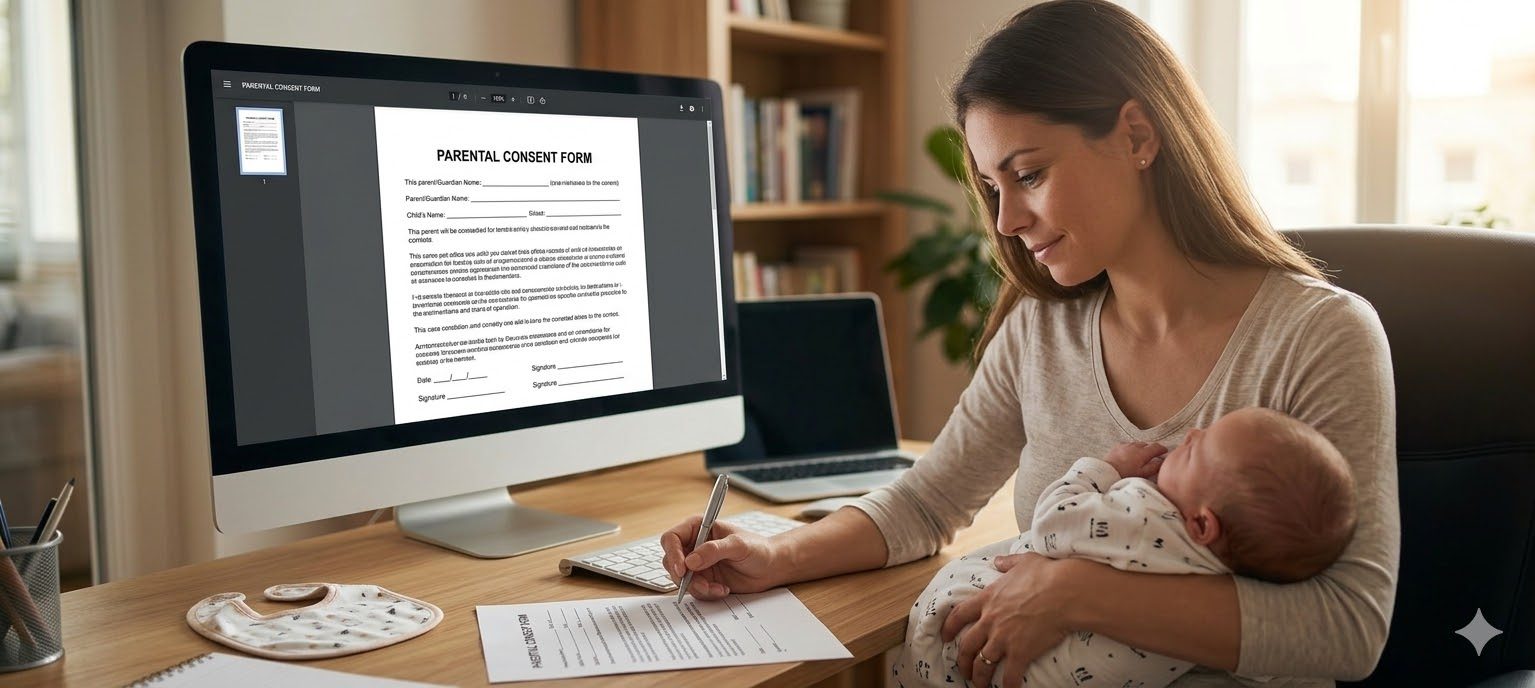
When applying for children or infants, additional safeguards are required. If a minor is not accompanied by their legal guardian, a Parental Consent Form is mandatory. Even if traveling with parents, you must provide proof of relationship (such as a birth certificate or family card) to ensure the application is processed smoothly.
How Long Does the Japan eVisa Processing Take for Indonesians?
Timing your application is crucial. Depending on how soon you need to fly, you can choose from three main processing speeds:
- Standard Processing: 26 – 32 Working Days.
- Rush Processing: 20 – 26 Working Days.
- Super Rush Processing: 14 – 20 Working Days. Note: It is always recommended to apply at least a month before your departure to account for any public holidays or additional document requests.
Can I Apply as a Group or Family for the Japan eVisa?
Yes, group applications are common. If you are traveling with family or friends on the same itinerary, applying as a group can ensure that all members receive their approvals around the same time. While each individual needs their own digital visa, submitting them through an agent as a group helps maintain consistency in your flight and hotel documentation.
Can I Apply for a Japan eVisa for Business Purposes?
While the primary eVisa is for tourism, travelers heading to Japan for business may still use the electronic system under specific categories. In these cases, an ERFS certificate (Entrants, Returning Follow-up System) is a mandatory requirement to prove the business nature of the visit.
Can Agents Help Reduce the Risk of eVisa Rejection?
Absolutely. A high percentage of rejections come from simple clerical errors or insufficient financial proof. Agents act as a "first line of defense," verifying that your 3-month bank statements are clear and that your "Daily Schedule" aligns perfectly with your flight bookings. Their expert review significantly boosts your approval odds.
How Do I Use Ride-Sharing Apps and Transport in Japan?
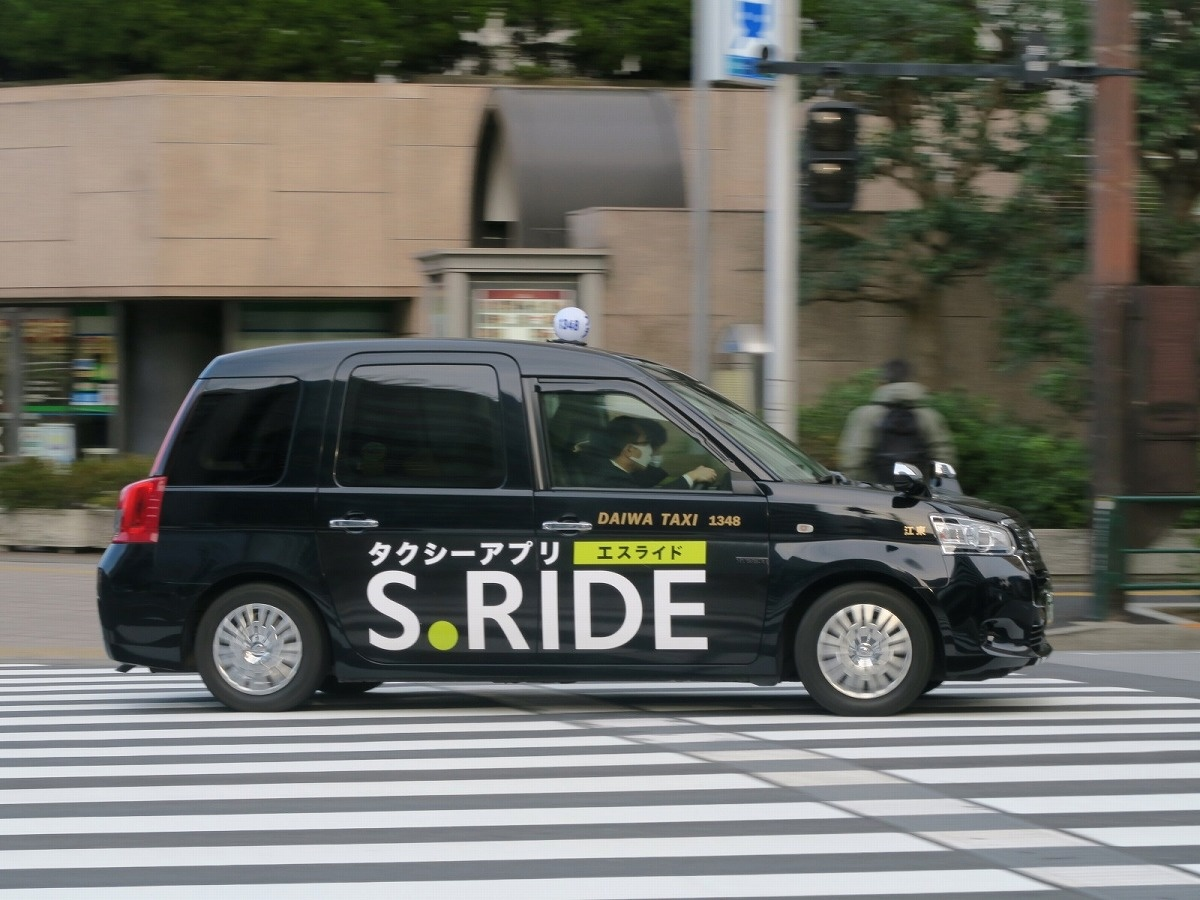
While Uber exists in Japan, it primarily functions as a premium taxi service. For a more local experience, download "GO" or "S.RIDE," which are the most popular taxi-hailing apps in Japan. For budget-conscious travelers, Japan’s public rail system remains the gold standard.
What are the Essential Driving Rules for Tourists in Japan?
If you plan to rent a car, remember that Japan drives on the left side of the road. You must have an International Driving Permit (IDP) issued in Indonesia before you leave. Japan has a zero-tolerance policy for drink-driving, and using a mobile phone while driving is strictly prohibited.
Why is the "Daily Schedule" So Important for Approval?
The Japanese Embassy is very specific about your "Schedule of Stay." You cannot simply write "Sightseeing in Tokyo." You must list specific locations for each day and match them with your hotel addresses. This helps the authorities verify that your trip is well-planned and legitimate.
How Do I Properly Present My eVisa at the Japanese Airport?
One of the most important things to remember is that a screenshot or printed PDF is NOT valid at Japanese immigration. You must log in to the official eVisa website on your smartphone and display the "Visa Issuance Notice" live.
What Happens if I Lose My Passport or Documents While in Japan?
In the event of a lost passport, you must immediately contact the Indonesian Embassy in Tokyo or the Consulate in Osaka to apply for an Emergency Passport (SPRI). Since the Japan eVisa is digital, you can still access it online, but you will need to coordinate with local police to file a report and ensure your new travel document is linked to your entry record.
What are the Most Common Reasons for Japan eVisa Rejection?
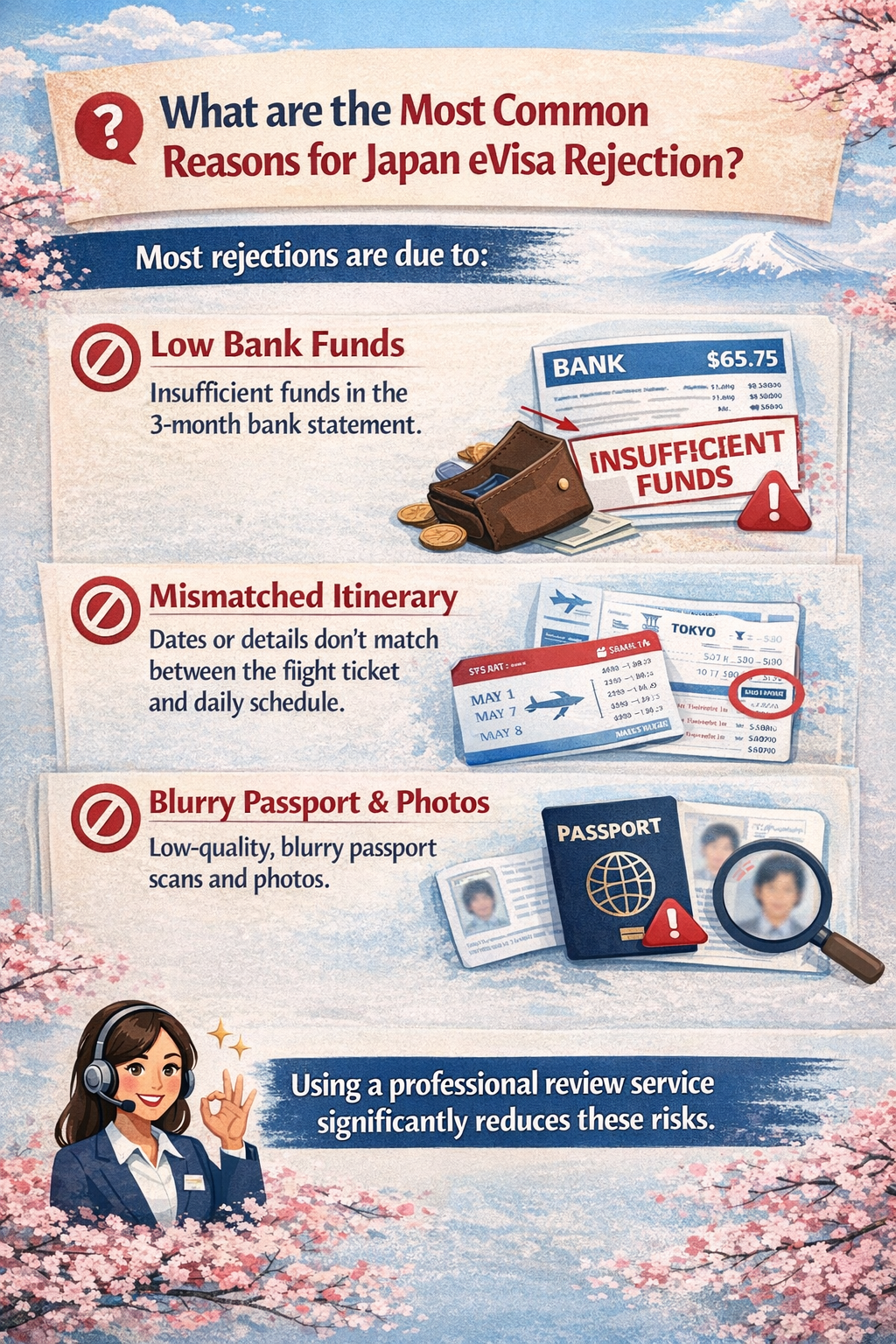
Most rejections happen due to:
- Insufficient funds in the 3-month bank statement.
- Mismatched information between the flight itinerary and the daily schedule.
- Blurry or low-quality passport scans and photos. Using a professional review service significantly reduces these risks.
What Healthcare Facilities are Available for Tourists in Japan?
Japan has world-class healthcare, but it can be expensive for non-residents. Most major hospitals in cities like Tokyo and Osaka have English-speaking staff. It is highly recommended to have Travel Insurance that covers medical expenses, as most clinics will require proof of insurance or payment upfront.
Can I Convert My Tourist Entry Upon Arrival?
No. The Japan eVisa for tourism is strictly for short-term stays. You cannot convert a tourist entry into a work visa or long-term resident status while inside Japan. Any change in status requires you to leave the country and apply for the appropriate visa from the Japanese Embassy in Indonesia.
What are the Final Requirements Before Flying from Indonesia?
Before you board your flight from Jakarta or Bali, ensure your passport has at least 6 months of validity remaining. With your Japan eVisa in hand and your itinerary set, you’re ready to explore one of the most beautiful countries in the world.
Written By:
World Visa

Hotels at your convenience
Now choose your stay according to your preference. From finding a place for your dream destination or a mere weekend getaway to business accommodations or brief stay, we have got you covered. Explore hotels as per your mood.