Japan eVisa for Vietnam Citizens
 Jules Renault
07 Dec, 2025
16 mins read
495
Jules Renault
07 Dec, 2025
16 mins read
495

From the neon lights of Shinjuku to the peaceful temples of Kyoto, Japan is a top destination for Vietnamese travelers. However, securing the right travel documents can often feel like a hurdle. With the introduction of the Japan eVisa system and simplified procedures for Vietnamese nationals, visiting the "Land of the Rising Sun" is becoming more accessible.
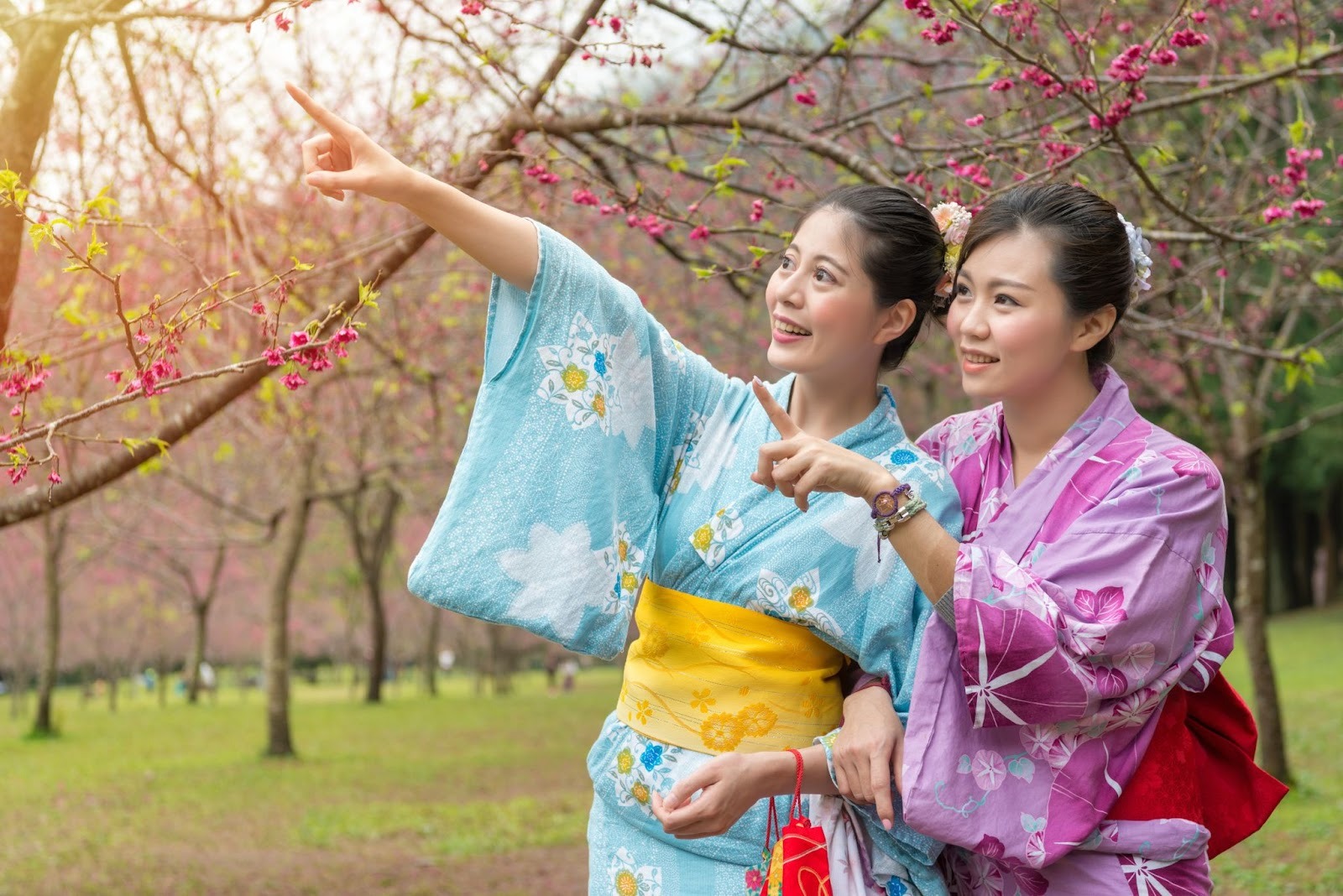
Whether you are planning a backpacking trip to Osaka or a luxury stay in Tokyo, this guide covers everything you need to know about the Japan eVisa for Vietnam citizens, including requirements, financial proof, and how to fast-track your application.
Can Vietnamese apply for a Japan E-visa?
Yes, Vietnamese citizens are eligible for the Japan eVisa, but there are specific conditions.
Originally, the eVisa was limited to those on package tours organized by designated travel agencies. However, the system has expanded. Currently, Vietnamese citizens can apply for an eVisa (electronic visa) which issues a "Visa Issuance Notice" to be displayed on a mobile device.
- For Independent Travelers: You typically need to apply for a standard sticker visa via VFS Global or the Embassy unless you are applying through an accredited agency that can facilitate the electronic process for you.
- For Package Tours: The eVisa is the standard method.
Using a professional visa service bridges this gap, allowing you to submit your documents digitally and receive expert handling of your application, whether you are aiming for a standard 15-day stay or a longer 90-day visit.
Does a Vietnamese passport need a visa for Japan?
Yes. Unlike some ASEAN neighbors, Vietnamese passport holders strictly require a visa to enter Japan. There is no "visa-free" entry for standard passports.
You must obtain one of the following before boarding your flight:
- Standard Sticker Visa: Pasted into your passport.
- eVisa (Visa Issuance Notice): A digital confirmation (for eligible applicants/agencies).
How to get a Japanese visa in Vietnam?

Applying online is the most convenient method for modern travelers. Instead of queuing at embassies, you can follow this simple digital workflow:
- Select Visa Type: Choose the "Tourism - 90 days, Single entry" option on the secure application portal.
- Upload Documents: Submit clear digital scans of your Passport Bio Page, Applicant Photo, Flight Itinerary, Bank Statements, and Proof of Residence directly through the dashboard.
- Choose Processing Speed: Pick the timeline that fits your schedule—Normal (26-32 days), Rush (20-26 days), or Super Rush (14-20 days).
- Expert Review: A professional team verifies your files to prevent common errors before submitting them to the Japanese government on your behalf.
- Receive Visa: Once approved, your Visa Issuance Notice is delivered digitally, ready to be displayed on your phone upon arrival.
What documents are needed for a Japan tourist visa application in Vietnam?
To ensure a high success rate, you must provide clear digital copies of the following Japan Visa Document Requirements:
- Passport Bio Page: Must be valid for at least 6 months. Upload a clear color scan.
- Applicant Photo: A recent photo (taken within the last 6 months) with a white background.
- Flight Itinerary: Confirmed round-trip flight reservation showing entry and exit from Japan.
- Detailed Schedule of Stay: A daily plan of your trip (see below for details).
- Proof of Accommodation: Hotel booking confirmations matching your schedule.
- Financial Proof: Bank statements and proof of employment.
- Proof of Residence: For Vietnamese citizens, this is typically your ID card (CCCD) or residence information.
What are the differences between a single-entry and multiple-entry Japanese visa?
- Single-Entry Visa: Valid for 3 months from the date of issue. You can enter Japan once. Once you leave, the visa expires. The duration of stay is typically 15 days for standard tourism, but can be up to 90 days depending on the application type and itinerary.
- Multiple-Entry Visa: Valid for 1 to 5 years. You can enter Japan unlimited times while the visa is valid. Each stay is usually limited to 15 or 30 days. This is generally reserved for frequent travelers with high financial capacity or business purposes.
How much bank balance is required for a Japan tourist visa?
Financial solvency is the most common reason for visa rejection in Vietnam. While there is no official fixed number published by the Embassy, the general rule of thumb for a successful application is:
- Minimum Balance: You should have a savings book or bank balance of at least 100,000,000 VND to 200,000,000 VND (approx. $4,000 - $8,000 USD).
- Stability: The funds should ideally have been in your account for at least 3 months (term deposit) or shown via a steady accumulation in your transaction history.
What photos are needed for a Japanese tourist visa application in Vietnam?
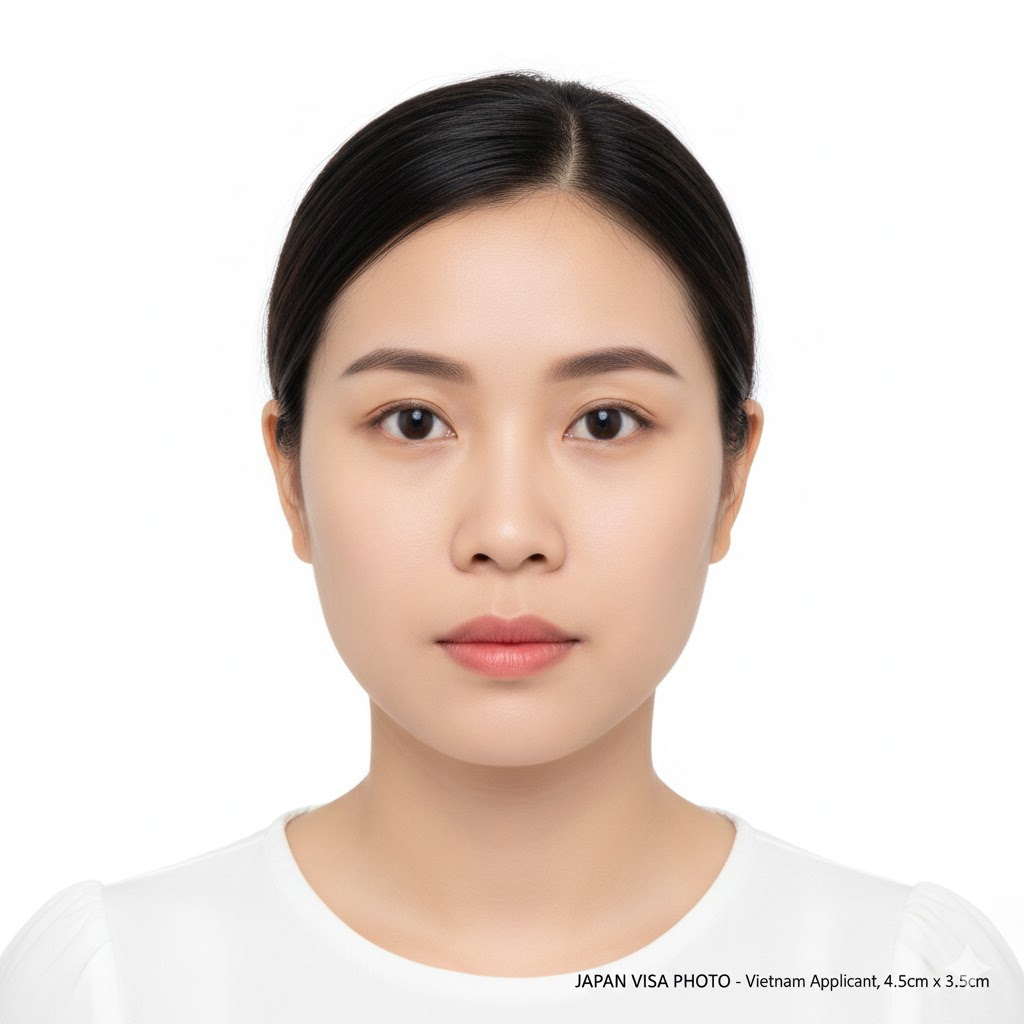
Japan is extremely strict about photos. Your Japan eVisa application will be rejected if the photo does not meet these criteria:
- Size: 4.5cm x 3.5cm (or 2x2 inches for some digital portals).
- Background: Plain white only. No blue or grey backgrounds.
- Expression: Neutral face, looking straight ahead.
- Accessories: No glasses, no hats, and hair must be tucked behind ears to show facial features clearly.
- Format: When applying online, ensure it is a high-resolution JPEG/PNG, not a picture of a physical photo.
What financial documents are needed for a Japan tourist visa from Vietnam?
Beyond just the balance, you need to prove the source of your funds:
- Bank Statements: The most recent 3 months of consecutive statements showing your name and current address.
- Employment Proof: A labor contract or a certificate of employment (validating your job title and salary).
- Pay Slips: Last 3 months of salary slips (if receiving cash salary) or highlighted salary deposits in your bank statement.
- Tax Returns: Personal Income Tax (PIT) returns can significantly strengthen your application.
What should I include in my Japan travel itinerary for a visa application?
A vague itinerary like "Sightseeing in Tokyo" will lead to rejection. You must provide a Daily Schedule of Stay that includes:
- Date: E.g., "Day 1: Arrival at Narita."
- Activity: E.g., "Visit Senso-ji Temple and Shibuya Sky."
- Accommodation: Crucial. You must list the Name, Address, and Phone Number of the hotel you are staying at for each night.
- Contact: A contact number in Japan (can be the hotel's number).
What's the processing time for a Japan tourist visa in Vietnam?
While the standard Embassy processing takes about a week, online agency services offer tiered processing speeds to guarantee your timeline, which is vital for urgent trips.
- Normal Processing: 26 - 32 Working Days. Best for early planners who want to save on fees.
- Rush Processing: 20 - 26 Working Days. A balanced option for those booking a month or two ahead.
- Super Rush Processing: 14 - 20 Working Days. The premium option for travelers who need their visa sorted as quickly as possible without the stress of uncertainty.
Note: Always apply as early as possible to account for any additional document requests.
Can a visa agent facilitate an emergency e-Visa application?
Yes. If you have a last-minute trip or find the paperwork overwhelming, using a professional visa agent is the safest route. They can:
- Expedite the review: Choosing "Super Rush" prioritizes your application.
- Perfect your file: Agents review your bank statements and photos before submission to prevent the "rejection and re-apply" cycle that causes delays.
- Secure the 90-Day Option: Agents can often facilitate the Single Entry 90-Day Tourism visa, which provides much more flexibility than the standard 15-day permit often given to independent applicants.
Planning a trip to Japan from Vietnam requires attention to detail, but with the right preparation and support, your visa approval is just a few clicks away.
Written By:
Jules Renault

Hotels at your convenience
Now choose your stay according to your preference. From finding a place for your dream destination or a mere weekend getaway to business accommodations or brief stay, we have got you covered. Explore hotels as per your mood.