Jawai Leopard Safari: Rajasthan’s Wild Secret You Can’t Miss
 Ruhi RR
19 Sep, 2025
8 mins read
71
Ruhi RR
19 Sep, 2025
8 mins read
71
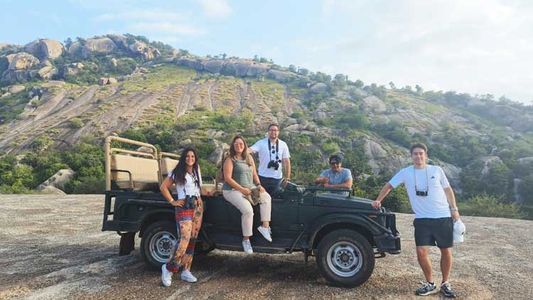
When you think of Rajasthan, the images that come to mind are often palaces, deserts, and vibrant cities. But tucked away in Pali district, surrounded by granite hills and serene lakes, lies Jawai—a place where leopards roam free and live in harmony with humans. My trip to Jawai was unlike any other wildlife experience I’ve had in India, and if you’re craving something authentic and offbeat, a Jawai Leopard Safari should be on your radar.
The Landscape: Granite Hills, Lakes, and Leopards
Jawai doesn’t look like a typical wildlife sanctuary. Instead of dense forests, you’ll find dramatic granite boulders, rocky caves, and open scrubland, punctuated by the shimmering waters of Jawai Dam. These caves are home to leopards, which use the rocks as both shelter and vantage points.
What fascinated me most was how seamlessly the local Rabari herders coexist with the leopards. They believe the animals are sacred and rarely see them as a threat, even though their cattle graze close to leopard territories. Watching a shepherd calmly walk his goats past a rocky hill where a leopard had been spotted earlier was surreal—it’s this coexistence that makes Jawai truly unique.
The Safari Experience
Safaris in Jawai are conducted in open jeeps with local guides, usually early in the morning or late in the evening when leopards are most active. My first drive was all about suspense—spotting pugmarks, scanning the hills, and listening to langur alarm calls. It wasn’t until my second safari that I had my moment: a graceful female leopard walking across the rocks, her two cubs playfully following behind.
Apart from leopards, Jawai is also known for its birdlife. At Jawai Dam, I spotted flamingos, cranes, and pelicans against the backdrop of sunset. Hyenas, jackals, and crocodiles are also found here if you’re lucky. The whole experience feels raw and uncommercialized—far from the busy tiger reserves where jeeps crowd around a sighting.
Best Time to Visit Jawai
The ideal season is October to March, when the weather is cool and sightings are frequent. Winters (December–January) can be very cold in the mornings, so pack warm layers, gloves, and a cap.
If you visit in summer (April–June), you may have an even better chance of leopard sightings since animals often gather near water sources, though the heat can be intense. Monsoon (July–September) transforms the landscape into lush green, but heavy rains can make safaris tricky and reduce visibility.
How to Reach Jawai
Despite its remote feel, Jawai is surprisingly accessible:
- By Air: The nearest airports are Udaipur (150 km) and Jodhpur (170 km), both connected to major Indian cities.
- By Train: Jawai Bandh railway station is the closest, about 20–30 minutes from safari areas.
- By Road: From Udaipur or Jodhpur, it’s a scenic 3–4 hour drive. Jaipur and Ahmedabad are about 6–7 hours away, making Jawai a perfect weekend getaway.
The drive through villages and rolling countryside is part of the charm.
Where to Stay and Suggested Itinerary
Accommodation at Jawai ranges from luxury tented camps with top-notch safari arrangements to simple homestays run by locals. The camps often provide cultural walks, traditional meals, and village interactions in addition to safaris.
A 2-night, 3-day trip works perfectly. On Day 1, arrive by afternoon and head out for your first evening safari. On Day 2, go for an early morning safari, visit Jawai Dam for birdwatching, and spend time exploring Rabari villages. End the day with another evening safari. On Day 3, enjoy a final drive before heading home.
Travel Safety, Budgeting, and Local Tips
Traveling in Jawai is safe, but a few tips can make your trip smoother:
- Wear neutral-colored clothes for safaris; avoid bright shades that may distract wildlife.
- Carry cash, as ATMs and shops are limited.
- Respect local culture—always ask before photographing villagers.
- Manage expectations. Some safaris may yield leopard sightings, others may not. The suspense is part of the experience.
Budget-wise, safaris cost between ₹6,000–₹10,000 per jeep (shared by 4–6 people). Luxury camps start from ₹15,000 per night, while budget homestays can cost ₹2,000–₹3,000. For meals, traditional Rajasthani thalis are common, and many stays include food in the package.
Beyond the Safari: Nearby Attractions
If you have time, you can extend your trip to include nearby sights. Ranakpur Jain Temple, with its intricate marble carvings, is less than two hours away. Kumbhalgarh Fort, a UNESCO World Heritage Site, is also within reach. These cultural stops complement the wild side of Jawai beautifully.
Final Thoughts: Why Jawai Stays With You
The Jawai Leopard Safari is more than just a wildlife excursion—it’s about witnessing a rare balance between nature and culture. Where else can you watch a leopard stretch lazily on a boulder while villagers herd cattle below without fear?
For me, Jawai was about stillness—the quiet of the hills at dawn, the splash of birds at the dam, and the thrill of catching a leopard’s golden eyes just before dusk. If you’re looking for an adventure that’s raw, soulful, and away from the crowds, Jawai is Rajasthan’s best-kept secret waiting to be explored.
Written By:
Ruhi RR

Hotels at your convenience
Now choose your stay according to your preference. From finding a place for your dream destination or a mere weekend getaway to business accommodations or brief stay, we have got you covered. Explore hotels as per your mood.