Journey to the World’s Hidden Corners
 Wnbaldwy Wnbaldwy
17 Apr, 2026
12 mins read
56
Wnbaldwy Wnbaldwy
17 Apr, 2026
12 mins read
56
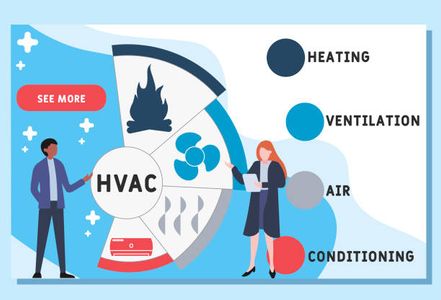
Most homeowners and property managers assume their heating and cooling systems are working efficiently—until energy bills spike or comfort issues arise. The truth is, even a functioning HVAC system can underperform without obvious warning signs. That’s where performance testing becomes a crucial part of maintaining a comfortable, cost-effective indoor environment.
Whether you're managing a residential property or a commercial building, understanding how your HVAC system truly performs can lead to better decisions, lower expenses, and improved indoor air quality.
What Is HVAC Performance Testing?
HVAC performance testing is a comprehensive evaluation of your heating, ventilation, and air conditioning system. Rather than simply checking if equipment turns on or off, this process measures how well the entire system operates under real conditions.
It looks at factors such as:
- Airflow and duct efficiency
- Temperature consistency across rooms
- System pressure and leakage
- Energy consumption versus output
- Indoor air quality metrics
The goal is to identify inefficiencies, hidden issues, or imbalances that could be costing you money or reducing comfort.
Why HVAC Systems Often Underperform
Even newer HVAC systems can fail to deliver optimal results. Several factors contribute to this:
Improper Installation
A system that isn’t installed correctly may never reach its intended efficiency. Poor duct design, incorrect sizing, or faulty connections can all impact performance.
Duct Leaks and Air Loss
Leaky ducts can waste a significant portion of conditioned air before it even reaches your living spaces. This forces your system to work harder, increasing wear and energy use.
Lack of Maintenance
Over time, dust buildup, worn components, and clogged filters reduce system efficiency. Without routine inspections, these issues compound.
System Imbalances
Uneven airflow can lead to hot and cold spots throughout a building, often mistaken for thermostat issues but actually rooted in system design or airflow restrictions.
Key Benefits of HVAC Performance Testing
Investing in HVAC performance testing offers both immediate and long-term advantages.
1. Lower Energy Bills
When your system operates efficiently, it uses less energy to maintain the same level of comfort. Even small improvements can lead to noticeable savings over time.
2. Improved Indoor Comfort
Balanced airflow and accurate temperature control eliminate common issues like inconsistent room temperatures or excessive humidity.
3. Extended Equipment Lifespan
An overworked HVAC system is more likely to break down. Performance testing helps identify stress points early, allowing for preventative fixes.
4. Better Indoor Air Quality
Testing can uncover issues like poor ventilation or contaminants in your system, helping you create a healthier indoor environment.
5. Data-Driven Decision Making
Instead of guessing whether to repair or replace your system, performance testing provides clear insights based on measurable data.
What Happens During a Professional Evaluation?
A thorough HVAC performance test involves multiple steps and specialized tools. While the exact process may vary, most evaluations include:
- Measuring airflow at vents and returns
- Testing duct leakage and pressure levels
- Evaluating system capacity versus building size
- Inspecting insulation and sealing
- Monitoring temperature differentials
- Checking system controls and calibration
These diagnostics paint a complete picture of how your HVAC system performs—not just in theory, but in practice.
For those looking to better understand how this process works and what it entails, exploring resources likehvac performance testing Kansas City can provide additional context on professional evaluation methods and what to expect.
Signs You May Need HVAC Performance Testing
Not sure if your system needs testing? Here are some common indicators:
- Uneven temperatures between rooms
- High utility bills without increased usage
- Excessive dust or poor air quality
- Frequent system cycling (turning on/off often)
- Rooms that never feel comfortable
If any of these sound familiar, performance testing can help pinpoint the root cause rather than treating symptoms.
Residential vs. Commercial Considerations
While the core principles are the same, HVAC performance testing can differ slightly depending on the type of property.
Residential Systems
In homes, the focus is often on comfort, efficiency, and indoor air quality. Testing typically targets ductwork, insulation, and airflow balance.
Commercial Systems
Larger buildings introduce complexity, including zoning systems, higher occupancy loads, and more extensive duct networks. Testing here often emphasizes energy optimization and system scalability.
How Often Should You Test Your HVAC System?
There’s no one-size-fits-all answer, but a good rule of thumb is:
- Every 2–3 years for residential properties
- Annually for commercial buildings
- After major renovations or system upgrades
Regular testing ensures your system adapts to changes in usage, building structure, or environmental conditions.
Simple Steps to Support HVAC Efficiency Between Tests
While professional testing is essential, there are steps you can take to maintain efficiency year-round:
- Replace air filters regularly
- Keep vents and returns unobstructed
- Schedule seasonal maintenance
- Seal visible duct leaks
- Monitor your energy usage trends
These small habits can complement professional evaluations and keep your system running smoothly.
Conclusion
HVAC systems are one of the most significant investments in any building, yet their performance often goes unchecked. Without proper evaluation, inefficiencies can quietly drive up costs and reduce comfort over time.
HVAC performance testing provides the clarity needed to optimize your system, improve indoor conditions, and make informed decisions about maintenance or upgrades. By taking a proactive approach, you not only enhance comfort but also protect your investment for years to come.
Written By:
Wnbaldwy Wnbaldwy

Hotels at your convenience
Now choose your stay according to your preference. From finding a place for your dream destination or a mere weekend getaway to business accommodations or brief stay, we have got you covered. Explore hotels as per your mood.