Kailash Mansarovar Yatra: Complete Guide to the Sacred Pilgrimage Journey (2025-2026)
 Jessie Adventures
21 May, 2026
28 mins read
68
Jessie Adventures
21 May, 2026
28 mins read
68
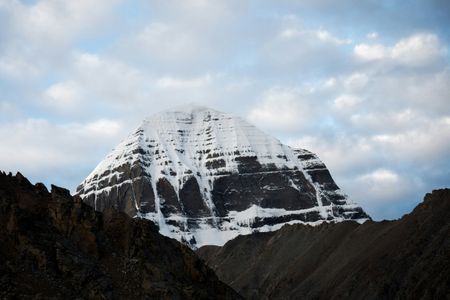
Mount Kailash and Lake Mansarovar represent one of the most sacred pilgrimage destinations in the world, attracting thousands of devotees annually from across the globe. This comprehensive guide covers everything about the Kailash Mansarovar Yatra, from spiritual significance to practical planning tips.
What is Kailash Mansarovar Yatra?
The Kailash Mansarovar Yatra is a sacred pilgrimage to Mount Kailash (6,638 meters) and the holy Lake Mansarovar in Tibet, China. This ancient pilgrimage route holds profound religious significance for Hindus, Buddhists, Jains, and followers of the Bon religion.
Why is Kailash Mansarovar Sacred?
For Hindus: Mount Kailash is believed to be the eternal abode of Lord Shiva and Goddess Parvati. It's considered the center of the universe and a pathway to moksha (liberation).
For Buddhists: The mountain represents Buddha Demchok (Chakrasamvara), symbolizing supreme bliss.
For Jains: Kailash is where their first Tirthankara, Rishabhadeva, attained nirvana.
For Bon followers: This is the seat of all spiritual power and the soul of the ancient Bon religion.
Lake Mansarovar: The Sacred Water Body
Lake Mansarovar (4,590 meters above sea level) is one of the highest freshwater lakes in the world. According to Hindu mythology, the lake was first created in the mind of Lord Brahma, hence the name "Mansarovar" (Manas = mind, Sarovar = lake).
Spiritual Significance of Mansarovar Lake
- Purification: A dip in the sacred waters is believed to cleanse sins of a lifetime
- Healing Powers: The water is considered to have healing properties for body and soul
- Spiritual Merit: Drinking the lake's water is believed to bring spiritual enlightenment
- Parikrama Benefits: Circumambulating the lake brings immense spiritual merit
Best Time for Kailash Mansarovar Yatra
Peak Season (May to September)
May-June:
- Clear skies and moderate temperatures
- Best visibility of Mount Kailash
- Lake Mansarovar begins to thaw
- Ideal for photography enthusiasts
July-August:
- Monsoon season in Nepal and India
- Tibetan plateau experiences minimal rainfall
- Warmer temperatures at high altitude
- Lush green landscapes along the route
September:
- Post-monsoon clarity
- Stable weather conditions
- Fewer crowds compared to summer
- Comfortable trekking temperatures
Off-Season Considerations
October-April: The region experiences extreme cold, heavy snowfall, and many routes become inaccessible. This period is not recommended for pilgrimage.
Physical Fitness Requirements for Kailash Mansarovar Yatra
Mandatory Fitness Standards
Cardiovascular Health:
- No history of heart disease or stroke
- Normal ECG and blood pressure
- Good lung capacity for high altitude
General Fitness:
- Ability to walk 6-8 km daily on uneven terrain
- Stamina for multi-hour treks
- Flexibility for sitting in vehicles for extended periods
Pre-Yatra Training Regimen (3-6 Months Before)
Week 1-8:
- Daily walking: 30-45 minutes
- Stair climbing: 10-15 floors
- Basic stretching and yoga
- Breathing exercises (Pranayama)
Week 9-16:
- Trekking with backpack: 5-8 km on weekends
- Increase walking to 60 minutes daily
- Introduce elevation gain in practice treks
- Swimming or cycling for cardiovascular endurance
Week 17-24:
- Long treks: 10-15 km with elevation gain
- Practice at higher altitudes if possible
- Mental preparation and meditation
- Final medical check-up
Recommended Exercises
- Cardiovascular Training: Running, cycling, swimming
- Strength Training: Squats, lunges, core exercises
- Flexibility: Yoga, stretching routines
- Breathing Techniques: Pranayama, high-altitude breathing practice
Essential Packing List for Kailash Mansarovar Yatra
Clothing Essentials
Base Layers:
- Thermal innerwear (3-4 sets)
- Moisture-wicking t-shirts
- Long-sleeve shirts
- Thermal leggings
Mid Layers:
- Fleece jackets (2)
- Insulated down jacket
- Windproof and waterproof jacket
- Trekking pants (2-3 pairs)
Outer Protection:
- Heavy-duty waterproof poncho
- Down-filled parka for extreme cold
- Windproof gloves (2 pairs)
- Warm woolen cap and balaclava
- Sun hat with neck protection
Footwear:
- Waterproof trekking boots (broken in)
- Comfortable sneakers for camp
- Woolen socks (6-8 pairs)
- Sandals for Lake Mansarovar bath
Medical and Health Supplies
Altitude Sickness Prevention:
- Diamox (prescribed by doctor)
- Dexamethasone for emergencies
- Oxygen cans (portable)
- Pulse oximeter
Common Medications:
- Pain relievers (paracetamol, ibuprofen)
- Anti-diarrheal medicines
- Antibiotics (prescribed)
- Cold and cough medicines
- Anti-nausea tablets
- Electrolyte supplements (ORS)
First Aid Kit:
- Adhesive bandages and gauze
- Antiseptic cream and liquid
- Blister treatment
- Muscle pain relief spray
- Personal prescription medicines
Essential Gear
Navigation and Safety:
- Headlamp with extra batteries
- Walking stick/trekking poles
- Sunglasses (UV protection 100%)
- Sunscreen (SPF 50+)
- Lip balm with SPF
Personal Items:
- Water bottles (2 liters capacity)
- Thermos flask for hot beverages
- Quick-dry towels
- Wet wipes and toilet paper
- Hand sanitizer
- Biodegradable soap
Electronics:
- Power bank (high capacity)
- Camera with extra batteries
- Universal adapter
- Portable phone charger
- Waterproof bags for electronics
Spiritual Items
- Prayer beads (mala)
- Small deity idols or photos
- Sacred texts or prayer books
- Incense sticks
- Offerings for the holy lake
Kailash Parikrama (Circumambulation): The Sacred Walk
What is Kailash Parikrama?
Kailash Parikrama (or Kora) is the ritualistic circumambulation of Mount Kailash, covering approximately 52 kilometers (32 miles). Completing this sacred circuit is believed to cleanse sins and bring spiritual liberation.
Parikrama Route Details
Day 1: Darchen to Diraphuk (20 km)
- Starting altitude: 4,675m
- Ending altitude: 5,080m
- Duration: 7-9 hours
- Difficulty: Moderate
- Highlights: First darshan of North Face, Yamadwar (Gate of Death)
Day 2: Diraphuk to Zuthulphuk via Dolma La Pass (22 km)
- Starting altitude: 5,080m
- Maximum altitude: 5,630m (Dolma La Pass)
- Ending altitude: 4,790m
- Duration: 8-10 hours
- Difficulty: High
- Highlights: Dolma La Pass, Gaurikund Lake, hardest day of trek
Day 3: Zuthulphuk to Darchen (10 km)
- Starting altitude: 4,790m
- Ending altitude: 4,675m
- Duration: 3-4 hours
- Difficulty: Easy
- Highlights: Completion of sacred circuit, return to starting point
Parikrama Tips for Success
- Start Early: Begin before sunrise to complete stages in daylight
- Pace Yourself: Maintain slow, steady pace to conserve energy
- Stay Hydrated: Drink water regularly despite cold weather
- Acclimatize Properly: Spend at least 2 days at Mansarovar before starting
- Hire Porters/Yaks: Consider support for carrying luggage
- Mental Preparation: The journey is as much spiritual as physical
Altitude Sickness: Prevention and Management
Understanding Acute Mountain Sickness (AMS)
Altitude sickness occurs when you ascend to high altitude too quickly, preventing your body from adjusting to reduced oxygen levels.
Common Symptoms
Mild AMS:
- Headache
- Fatigue and weakness
- Dizziness
- Nausea or vomiting
- Loss of appetite
- Difficulty sleeping
Severe AMS (HAPE/HACE):
- Extreme shortness of breath
- Confusion or altered mental state
- Coughing up pink frothy fluid
- Severe persistent headache
- Loss of coordination
- Chest tightness
Prevention Strategies
- Gradual Ascent: Climb slowly and allow acclimatization days
- Hydration: Drink 4-5 liters of water daily
- Avoid Alcohol: No alcohol or smoking at high altitude
- Medication: Take Diamox as prescribed (consult doctor)
- Carbohydrate Diet: Increase carb intake for energy
- Rest Properly: Ensure adequate sleep
- Recognize Symptoms Early: Don't ignore warning signs
Emergency Protocol
- Descend Immediately: If symptoms worsen, descend to lower altitude
- Oxygen Administration: Use supplemental oxygen
- Medical Attention: Seek immediate medical help
- Never Continue Upward: Never ascend with AMS symptoms
- Emergency Evacuation: Arrange helicopter rescue if needed
Accommodation During Kailash Mansarovar Yatra
Types of Accommodations
Guesthouses (Taklakot, Darchen):
- Basic rooms with twin beds
- Shared bathroom facilities
- Limited heating
- Basic vegetarian meals
- Electricity for limited hours
Tented Camps (Mansarovar, Diraphuk, Zuthulphuk):
- Dome tents for sleeping (2-3 persons)
- Dining tent for meals
- Toilet tents (basic facilities)
- No heating in most camps
- Generator-powered lighting
Tibetan Guesthouses:
- Traditional Tibetan architecture
- Communal sleeping areas in some locations
- Basic amenities
- Cultural experience
- Limited privacy
What to Expect
- No luxury facilities at high altitude locations
- Basic sanitation - be prepared for squat toilets
- Cold conditions - sleeping bags essential
- Limited electricity - carry power banks
- Simple vegetarian food - rice, dal, vegetables, chapati
Food and Nutrition During the Yatra
Typical Meals Provided
Breakfast:
- Porridge or oatmeal
- Bread/toast with jam
- Boiled eggs (in some locations)
- Tea/coffee
- Seasonal fruits
Lunch:
- Rice with dal
- Chapati/roti
- Vegetable curry
- Pickle
- Papad
Dinner:
- Similar to lunch
- Soup (usually vegetable/noodle)
- Rice, dal, vegetables
- Sometimes pasta or noodles
Nutritional Tips
- High Carbohydrates: Essential for energy at altitude
- Moderate Protein: Eggs, dal, paneer when available
- Stay Hydrated: Drink warm water frequently
- Avoid Heavy Meals: Light, frequent eating is better
- Carry Snacks: Dry fruits, nuts, energy bars, chocolate
- Herbal Tea: Ginger tea helps with digestion and warmth
Food Safety
- Drink only bottled or boiled water
- Avoid raw vegetables at high altitude
- Stick to cooked, hot meals
- Carry water purification tablets
- Avoid street food along the route
Cultural Etiquette and Responsible Tourism
Respect for Sacred Sites
- Remove shoes before entering monasteries
- Walk clockwise around sacred sites (always keep site on your right)
- No photography inside temples without permission
- Dress modestly near religious places
- Lower your voice near meditation areas
- Seek permission before photographing locals or monks
Environmental Responsibility
- Carry back all waste - Leave No Trace principle
- No littering at any location, especially sacred sites
- Biodegradable products - use eco-friendly soaps and detergents
- Respect wildlife - observe from distance
- Minimize plastic - carry reusable water bottles
- Proper waste disposal - use designated areas
Interaction with Locals
- Learn basic Tibetan phrases - shows respect
- Ask before photographing - respect privacy
- Fair trade - pay reasonable prices for goods
- Respect customs - observe and follow local traditions
- Support local economy - buy from local vendors
- Cultural sensitivity - be mindful of religious practices
Health and Safety Precautions
Pre-Departure Medical Check-Up
Essential Tests:
- Complete blood count
- ECG (Electrocardiogram)
- Chest X-ray
- Blood pressure monitoring
- Lung function test
- Diabetes screening (if applicable)
Medical Conditions that Disqualify:
- Severe heart conditions
- Uncontrolled hypertension
- Chronic lung diseases
- Recent surgeries (within 6 months)
- Pregnancy
- Severe anemia
- Uncontrolled diabetes
Travel Insurance
Must Cover:
- Medical emergencies at high altitude
- Emergency helicopter evacuation
- Hospitalization in Nepal/China
- Trip cancellation/interruption
- Loss of baggage
- Repatriation
Recommended Coverage: Minimum USD 50,000 for medical emergencies
Communication
- Limited mobile connectivity in Tibet
- Satellite phones available with tour groups
- Emergency numbers provided by organizers
- Regular check-ins with base camp
- Inform family about itinerary and checkpoints
Photography Tips for Kailash Mansarovar Yatra
Best Photography Spots
- Mount Kailash Views:North Face from Diraphuk
- South Face from Darchen
- Dolma La Pass panorama
- Sunrise/sunset from Mansarovar
- Lake Mansarovar:Early morning reflections
- Sunset colors
- Parikrama route viewpoints
- Ritual bathing scenes (with permission)
- Cultural Shots:Prayer flags and mani stones
- Monasteries and stupas
- Pilgrims during parikrama
- Tibetan landscapes
Camera Equipment Recommendations
Essential Gear:
- DSLR or mirrorless camera
- Wide-angle lens (16-35mm)
- Telephoto lens (70-200mm)
- Polarizing filter
- Extra batteries (cold drains power)
- Multiple memory cards
- Lightweight tripod
Protection:
- Weatherproof camera bag
- Lens cleaning kit
- Silica gel packets
- Plastic bags for rain/dust protection
Photography Etiquette
- No flash inside monasteries
- Respect privacy - ask before photographing people
- Prohibited areas - observe photography restrictions
- Landscape preservation - don't disturb for photos
- Mindful photography - don't obstruct paths during parikrama
Spiritual Preparation for the Yatra
Mental Readiness
Meditation Practice:
- Begin daily meditation 3 months before
- Focus on breath awareness
- Develop mental resilience
- Practice mindfulness
Setting Intentions:
- Clarify your purpose for the pilgrimage
- Release expectations
- Embrace humility
- Prepare for self-reflection
Religious Practices
Recommended Preparations:
- Regular prayer and mantra chanting
- Study of Kailash Mansarovar significance
- Fasting on auspicious days
- Charity and acts of service
- Seeking blessings from elders
During the Yatra:
- Morning prayers and meditation
- Chanting sacred mantras (Om Namah Shivaya)
- Observing silence at sacred spots
- Offering prayers at monasteries
- Gratitude practice
Frequently Asked Questions (FAQs)
Q1: What is the minimum age for Kailash Mansarovar Yatra?
A: The minimum age is typically 18 years, though some routes allow 16+ with parental consent. Maximum age is usually 70 years, but fit individuals above this age may be considered with additional medical clearances.
Q2: Can I do Kailash Mansarovar Yatra without a tour group?
A: No. Individual travel is not permitted in Tibet. You must travel with an authorized tour operator and obtain necessary permits through them.
Q3: How difficult is the Kailash Parikrama?
A: The parikrama is moderately to highly difficult due to high altitude, thin air, and the challenging Dolma La Pass. Good physical fitness and proper acclimatization are essential.
Q4: What is the success rate of completing the Yatra?
A: Approximately 80-85% of pilgrims successfully complete the yatra if they follow proper acclimatization protocols and maintain good health.
Q5: Is mobile phone connectivity available?
A: Very limited. Some connectivity may be available in major towns like Taklakot, but expect no connectivity during most of the trek.
Q6: Can I take a holy dip in Lake Mansarovar during all seasons?
A: The lake is partially frozen from October to April. The best time for a holy dip is May to September when the weather is relatively warmer.
Q7: What language is spoken in the region?
A: Primarily Tibetan and Chinese. Most tour operators provide guides who speak Hindi, English, or Nepali.
Q8: Are there ATMs or currency exchange facilities?
A: Very limited. Carry sufficient Chinese Yuan (RMB) in cash. Some Indian currency may be accepted in border areas, but it's unreliable.
Q9: What kind of food is available during the Yatra?
A: Simple vegetarian food, mainly Indian style (dal, rice, chapati, vegetables). In some places, Chinese and Tibetan cuisine is available.
Q10: Is electricity available throughout the journey?
A: Limited and intermittent. Guesthouses may have electricity for a few hours in the evening. Carry fully charged power banks.
Post-Yatra: Integration and Reflection
Physical Recovery
- Rest adequately for 1-2 weeks after return
- Gradual return to normal activities
- Medical check-up if any symptoms persist
- Hydration and nutrition to recover fully
- Monitor for any delayed altitude sickness effects
Spiritual Integration
- Journaling: Document your experiences and insights
- Sharing: Share your journey with spiritual community
- Continued Practice: Maintain meditation and prayer routines
- Gratitude: Express thanks for safe completion
- Life Changes: Implement spiritual lessons learned
Preserving Memories
- Photo Organization: Create albums and photobooks
- Sacred Items: Properly store holy water and prasad
- Storytelling: Share experiences with family and friends
- Offerings: Make charitable donations in gratitude
- Annual Remembrance: Observe the completion anniversary
Conclusion: The Transformative Journey
The Kailash Mansarovar Yatra is not merely a physical journey to a remote mountain but a profound spiritual odyssey that transforms lives. This sacred pilgrimage challenges you physically, purifies you spiritually, and offers experiences that remain etched in your soul forever.
Whether you seek liberation, spiritual awakening, physical challenge, or simply wish to witness one of nature's most magnificent creations, Mount Kailash and Lake Mansarovar await to bless you with their divine presence.
Key Takeaways
- Preparation is Crucial: Start physical and spiritual preparation 3-6 months in advance
- Choose Wisely: Select the route and tour operator that best suits your fitness level and budget
- Health First: Never compromise on acclimatization and health precautions
- Respect and Reverence: Approach the journey with humility and respect for local culture
- Inner Journey: Remember that the outer pilgrimage reflects your inner spiritual journey
May Lord Shiva bless all pilgrims who undertake this sacred journey with strength, devotion, and safe passage.
Har Har Mahadev!
Om Namah Shivaya!
Written By:
Jessie Adventures

Hotels at your convenience
Now choose your stay according to your preference. From finding a place for your dream destination or a mere weekend getaway to business accommodations or brief stay, we have got you covered. Explore hotels as per your mood.