Kanamo Peak Trek Temperature & Weather Guide
 Deepanshu Negi
10 Mar, 2026
12 mins read
76
Deepanshu Negi
10 Mar, 2026
12 mins read
76
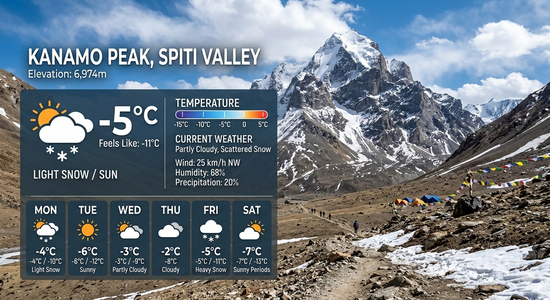
High altitude treks always come with one big question: how cold will it get? When you plan a climb like Kanamo Peak in Spiti Valley, understanding the weather becomes just as important as preparing physically.
Kanamo Peak rises to about 5,974 meters (19,600 ft) above sea level, which places it among the highest trekking peaks in India. At this altitude, the temperature behaves very differently compared to lower Himalayan treks. Warm sunshine during the day can quickly turn into freezing conditions once the sun disappears behind the mountains.
This guide explains the Kanamo Peak trek temperature, seasonal weather changes, and the best months to attempt the summit using reliable information.
Kanamo Peak Weather Overview
The weather around Kanamo Peak feels unique compared to many Himalayan regions. The reason lies in the geography of Spiti Valley.
Spiti sits in a rain shadow region of the Himalayas, which means monsoon clouds rarely reach this valley. While nearby places like Manali and Kullu experience heavy rainfall during the monsoon season, Spiti often remains dry and sunny.
This climate creates some distinctive weather patterns during the trek:
- Clear skies and strong sunlight during the day
- Very cold nights at high altitude
- Low rainfall even during monsoon months
- Sudden temperature drops after sunset
During the trekking season, daytime temperatures generally stay comfortable, but nights can become extremely cold. Daytime conditions feel cool and pleasant, while nights can drop significantly below freezing depending on altitude.
Because of these conditions, trekkers must prepare for both warm daytime hiking and freezing summit temperatures.
Kanamo Peak Trek Temperature by Altitude
Temperature changes rapidly as you gain altitude during the trek. The journey usually starts from Kibber village, one of the highest motorable villages in the world, and gradually climbs toward the summit.
Each altitude level presents a slightly different climate experience.
Kibber Village Weather (Base Village)
Kibber village acts as the starting point and acclimatization stop for most Kanamo Peak expeditions.
During the trekking season, daytime weather here usually feels pleasant. The sun shines brightly in the dry Spiti environment, making daytime exploration comfortable.
However, once the evening arrives, the temperature begins to fall quickly. Nights can feel cold even in peak trekking months.
Trekkers often spend a full day here for acclimatization before moving higher into the mountains.
Kanamo Base Camp Weather
After leaving Kibber, trekkers gain altitude quickly and move toward the Kanamo Base Camp.
At this elevation, the temperature drops noticeably and the weather becomes more alpine in nature. The air feels thinner, winds grow stronger, and nights become significantly colder.
Because the campsite sits at high altitude, proper layering becomes essential. Trekkers usually rely on insulated jackets, thermal layers, and warm sleeping bags to stay comfortable overnight.
The cold at base camp also prepares trekkers mentally for the conditions they will face during the summit push.
Kanamo Peak Summit Temperature
Summit day usually begins very early in the morning, often before sunrise. Trekkers leave base camp while temperatures remain at their lowest point of the day.
At nearly 6,000 meters altitude, freezing temperatures become normal. The combination of thin air, cold winds, and steep scree slopes makes the climb physically demanding.
Even when the sun rises, temperatures near the summit remain cold. Strong winds can also create wind chill, making the environment feel even colder than the actual temperature.
Because of this, summit climbers must carry:
- Insulated gloves
- Down jackets
- Windproof outer layers
- Thermal base layers
Proper clothing makes the difference between a comfortable summit attempt and a miserable climb.
Kanamo Peak Weather by Month
The Kanamo trekking window usually runs from June to September, when weather conditions remain stable and roads to Spiti Valley stay open.
Each month offers a slightly different trekking experience.
Kanamo Peak in June
June marks the beginning of the trekking season for Kanamo Peak.
During this period, some snow still remains on the higher sections of the trail. Snow patches near the summit can make the climb slightly challenging.
Daytime weather remains cool and comfortable, while nights can drop well below freezing.
Trekkers who enjoy snow conditions often choose June because the mountain still carries remnants of winter.
However, the trail can feel more technical compared to later months.
Kanamo Peak in July
July brings more stable weather and clearer trekking routes.
Most of the snow on lower sections of the trail begins melting, making the path easier to navigate. The valley remains mostly dry despite the monsoon season in the rest of India because Spiti lies in the rain shadow zone.
Daytime temperatures become slightly warmer compared to June, while nights remain cold but manageable.
Many trekkers consider July one of the safest months to attempt the summit.
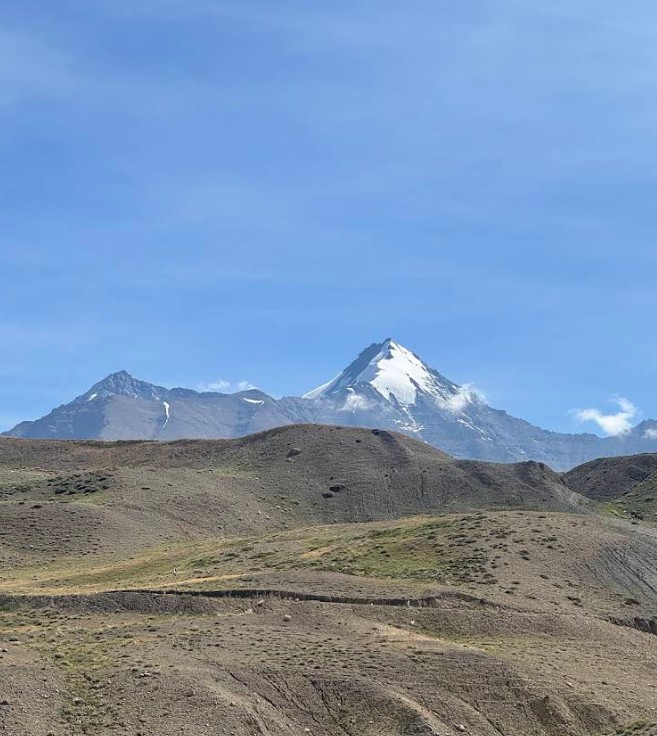
Kanamo Peak in August
August often provides the most stable weather window for Kanamo Peak.
The trail conditions become clearer, visibility improves, and the chances of successful summit attempts increase.
During this time, trekkers may also notice small alpine flowers appearing across parts of the valley.
The weather balance during August makes it one of the most popular months for the trek.
Kanamo Peak in September
September offers some of the clearest mountain views in Spiti Valley.
Once the monsoon season ends in the rest of India, the skies above Spiti become extremely crisp and clear. This improves visibility from the summit and creates stunning panoramic views of surrounding Himalayan peaks.
However, temperatures begin dropping again during this month.
Early September remains comfortable for trekking, but by late September, the chances of early snowfall start increasing.
Trekkers usually prefer early to mid September for the best weather balance.
Months to Avoid for the Kanamo Peak Trek
Winter completely shuts down the Kanamo Peak trekking route.
From November to May, the entire region experiences heavy snowfall and extremely cold temperatures. Roads leading to Spiti often close during this period.
Because of these conditions, summit attempts during winter are not recommended.
Why Weather Awareness Is Important for This Trek
Kanamo Peak does not require technical climbing skills, but the altitude and weather still demand proper preparation.
Several factors make weather awareness essential for this trek.
Sudden Temperature Changes
The temperature difference between day and night can be dramatic. Warm sunshine during the day can turn into freezing cold after sunset.
High Altitude Winds
Spiti Valley often experiences strong winds, especially on exposed ridges and summit sections.
Low Oxygen Levels
At nearly 6,000 meters, oxygen levels drop significantly. Cold weather combined with thin air makes physical effort much harder.
Snow Conditions
Even small snowfalls can make scree slopes slippery and increase summit difficulty.
Understanding these factors helps trekkers prepare properly before attempting the climb.
Best Time to Trek Kanamo Peak
Most trekking experts recommend July to early September as the ideal time for the Kanamo Peak Trek.
During this period:
- Weather remains relatively stable
- Trails stay mostly clear of snow
- Visibility is excellent
- Summit success chances improve
This window offers the perfect balance between adventure and safety.
Final Thoughts
Kanamo Peak offers one of the most rewarding summit experiences in the Indian Himalayas. Standing at nearly 6,000 meters, the peak delivers incredible views of Spiti’s vast high altitude landscapes.
However, the weather on this mountain demands respect.
Sunny days may feel comfortable, but freezing nights, strong winds, and sudden weather shifts remain part of the high altitude environment.
Understanding the temperature and weather conditions is the first step toward reaching the top safely.
Written By:
Deepanshu Negi

Hotels at your convenience
Now choose your stay according to your preference. From finding a place for your dream destination or a mere weekend getaway to business accommodations or brief stay, we have got you covered. Explore hotels as per your mood.