Kazakhstan is more than Almaty
 Arthur Rousseau
09 Nov, 2025
15 mins read
125
Arthur Rousseau
09 Nov, 2025
15 mins read
125
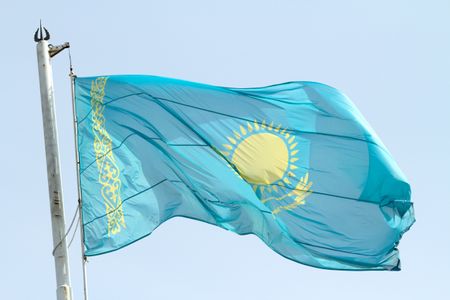
When you think of Kazakhstan, what comes to mind? For most travelers, it’s Almaty—a beautiful, leafy city nestled against the backdrop of the snow-capped Tian Shan mountains. And while Almaty is a fantastic starting point (and home to that stunning lake and Charyn Canyon), it’s just the gateway to the world’s ninth-largest country.
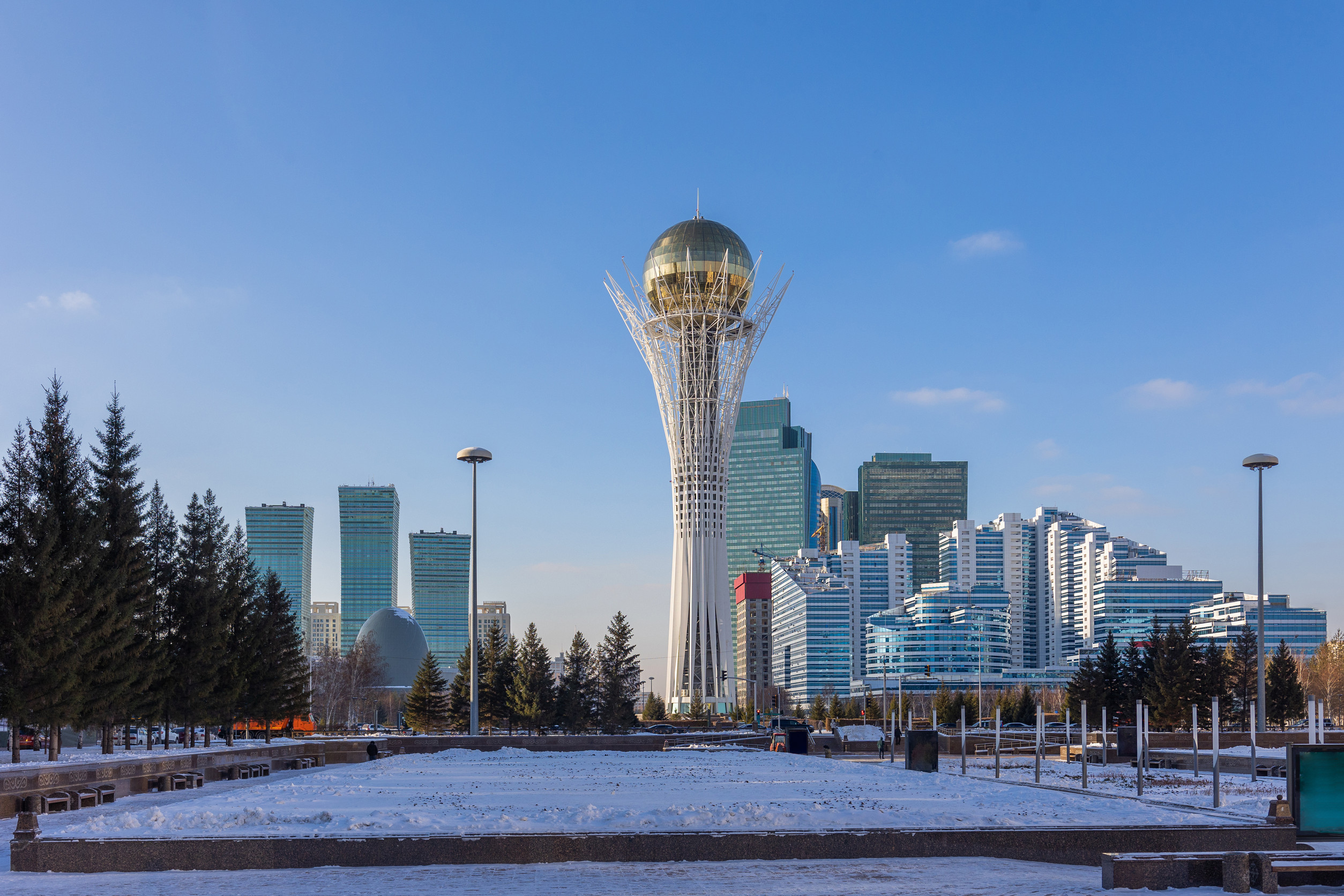
Most travelers write off the rest of Kazakhstan as just "empty steppe," but that's changing. Thanks to a streamlined Kazakhstan eVisa system, exploring this vast, diverse, and deeply historic nation has never been easier. If you’re looking for a true adventure—a place that blends futuristic cities, ancient Silk Road history, and landscapes that look like they're from another planet—it’s time to look beyond Almaty.
This guide is your starting point to discovering Kazakhstan, a land of cosmic wonders, spiritual hubs, and futuristic capitals, all accessible with a simple online visa.
How Can I Get a Kazakhstan eVisa?
Let's start with the practicals. The "visa-run" headache is a thing of the past for many. Kazakhstan’s eVisa is a game-changer for tourists.
The process is surprisingly straightforward:
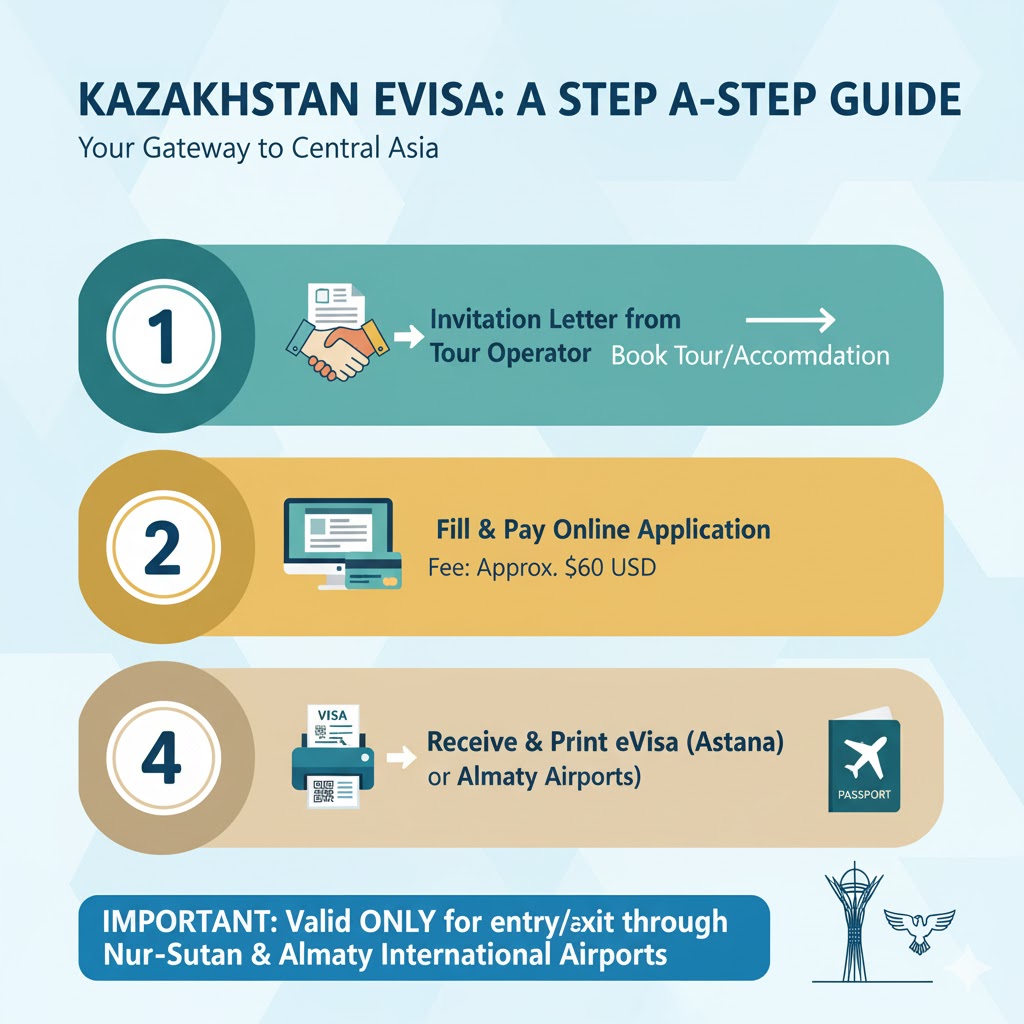
- Get an Invitation: This is the most important step. You must have an invitation letter from a Kazakhstani tour operator (this is a standard service they provide when you book a tour or even just accommodation with them).
- Fill and Pay: You'll register, fill out the Kazakhstan eVisa application, and enter your invitation number. The fee for a single-entry tourist visa is typically around $60 USD.
- Print Your Visa: Once approved, you’ll receive the eVisa by email. Print it out and keep it with your passport.
One key thing to note: the eVisa is only valid for entry and exit through the international airports in Nur-Sultan (Astana) and Almaty. But since these are the two main travel hubs, it’s perfect for starting your adventure.
What is Nur-Sultan (Astana) Famous For?
If Almaty is the cultural soul, Nur-Sultan (formerly Astana) is the futuristic, beating heart of modern Kazakhstan. Built from the ground up on the northern steppe, this capital city is a showcase of staggering, 21st-century architecture.
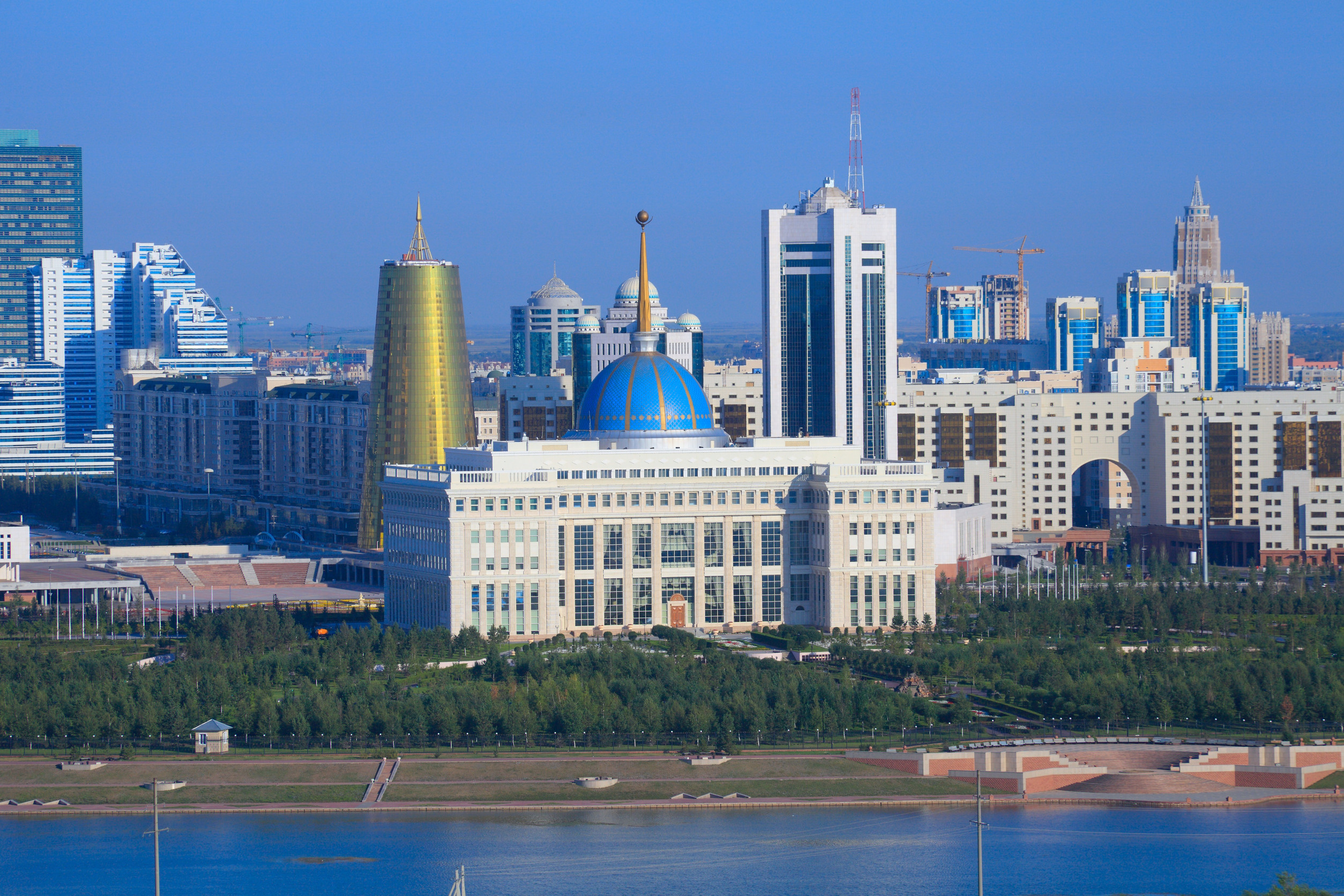
It’s a city of superlatives. You can’t miss the Baiterek Tower, a 105-meter-tall monument that looks like a golden egg in a giant's goblet; locals call it the "Chupa Chups." You can take an elevator to the top for panoramic views and place your hand in a golden print of President Nazarbayev’s palm.
Other must-sees include the Khan Shatyr, a gigantic, transparent tent that serves as a shopping mall and entertainment center (complete with an indoor beach), and the stunningly beautiful Hazrat Sultan Mosque, one of the largest in Central Asia.
Discovering the Ancient City of Turkistan
Ready for a complete change of pace? Head south to Turkistan, the spiritual capital of the Turkic world. This ancient city was a major center on the Silk Road and is a deeply important pilgrimage site.
The entire city revolves around one magnificent structure: the Mausoleum of Khoja Ahmed Yasawi. Commissioned in the 14th century by the conqueror Tamerlane (Timur), this massive, unfinished turquoise-domed building is a masterpiece of Timurid architecture. It’s a UNESCO World Heritage site, and its scale and intricate tilework will leave you breathless.
Why You Shouldn't Skip Shymkent
While Turkistan is the destination, the nearby city of Shymkent is your perfect hub for exploring the south. It’s Kazakhstan’s third-largest city, but it feels worlds away from Nur-Sultan. Shymkent is vibrant, chaotic, and friendly, with bustling bazaars, green parks, and a fantastic selection of traditional food. It’s a great place to feel the pulse of modern Central Asian life and serves as an easy 2-3 hour train ride to Turkistan.
The Caspian Sea Adventure in Aktau
For a truly "off-the-map" experience, fly west to Aktau. This city, built in the 1960s, sits on the shores of the Caspian Sea. The landscape here is stunningly alien. The arid, rocky desert of the Mangystau region dramatically drops off into the clear blue waters of the Caspian.
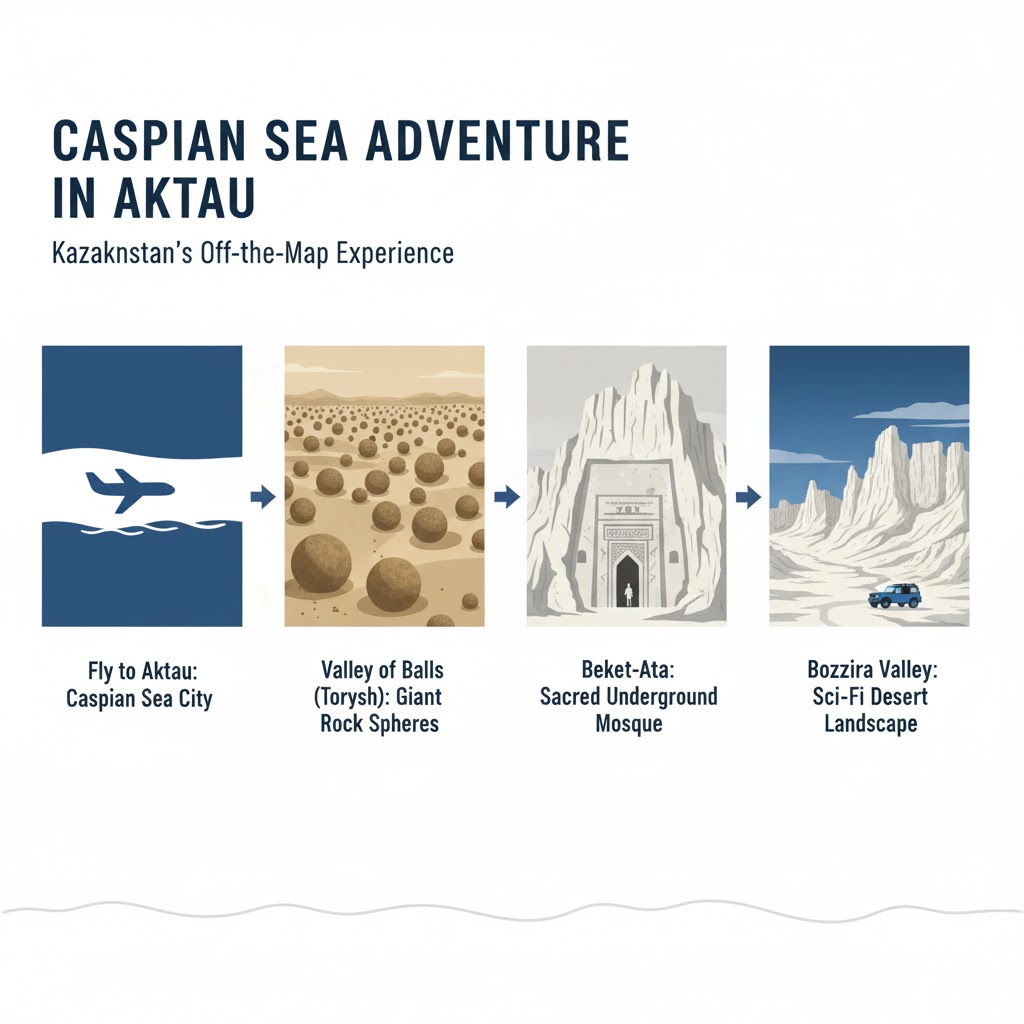
While the city has pleasant beaches, the real magic is in the surrounding region. You can hire a 4x4 and explore:
- The Valley of Balls (Torysh): A vast field littered with giant, perfectly spherical rock formations.
- Beket-Ata: A sacred underground mosque carved into a chalk cliff.
- Bozzhira Valley: A breathtaking landscape of white chalk cliffs and mesas that looks like a set from a sci-fi movie.
Can You Visit the Baikonur Cosmodrome?
Yes, you can visit the place where humanity’s journey to the stars began! The Baikonur Cosmodrome, the world's first and largest space launch facility, is leased by Russia but located in the middle of the Kazakh steppe.
This is not a casual day trip. You must book a tour with a specially accredited travel agency, and the permits often need to be arranged at least 60 days in advance. It’s expensive, but the payoff is unreal. Tours are often timed with a rocket launch, allowing you to watch a Soyuz rocket blast off into space.
Your Kazakhstan Travel FAQs
Planning a trip to such a massive, unknown country comes with questions. Here are the quick answers you’re probably searching for.
What is the Best Time to Visit Kazakhstan?
The shoulder seasons are best: April to May and September to October. The steppe blooms in spring, and the autumn colors are beautiful. Summers (June-August) are brutally hot, especially in the south and west. Winters (November-March) are famously, bitterly cold, with temperatures in Nur-Sultan dropping to -30°C (-22°F).
Is Kazakhstan Safe for Tourists?
Yes, Kazakhstan is generally considered a safe country for travelers, including solo females. Crime rates are moderate and have been decreasing. The main things to watch out for are petty theft in crowded bazaars and taxi scams (always use an app like Yandex Go).
Is Kazakhstan Expensive for Tourists?
Not at all. Kazakhstan is a very affordable destination.
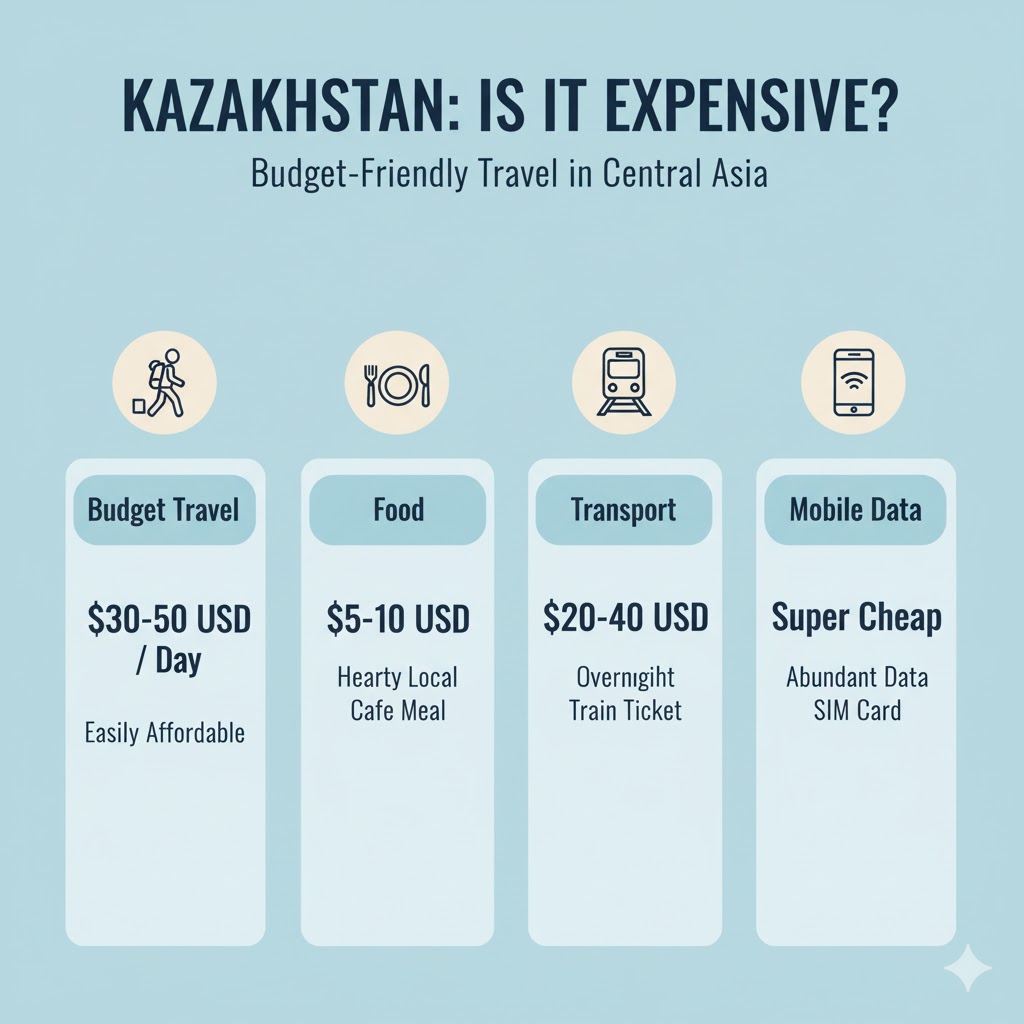
- Budget Travel: You can easily get by on $30-50 USD per day.
- Food: A hearty meal at a local cafe can cost $5-10.
- Transport: A long-distance, overnight train ticket might be $20-40.
- Data: A SIM card with abundant data is incredibly cheap.
Getting Around: How to Travel Between Kazakh Cities?
This country is huge, so plan accordingly.
- Trains: The best way to travel long distances. They are comfortable, cheap, and a great way to see the landscape. The modern "Talgo" trains are fast and comfortable, while the older Soviet-style trains are an experience in themselves.
- Planes: For vast distances (like Almaty to Aktau), domestic flights are your best bet. Low-cost carriers like FlyArystan and SCAT offer affordable tickets.
- Buses/Shared Taxis: These are best for shorter trips between smaller towns.
What Language is Spoken in Kazakhstan?
Kazakhstan is officially bilingual. Kazakh is the state language (a Turkic language), and Russian is an official language widely used in business, government, and for inter-ethnic communication. You will find that Russian is extremely useful, and most people in the cities speak it. English is becoming more common, but it's not universally spoken outside of hotels and tourist spots.
Local Kazakh Cuisine: What to Eat?
Be prepared for a meat-heavy diet. Nomadic traditions shape the cuisine.
- Beshbarmaq: The national dish, translating to "five fingers." It consists of boiled horse meat or mutton served over large, flat pasta sheets and onions.
- Laghman: A hearty Uyghur dish of hand-pulled noodles, meat, and vegetables.
- Bawyrsaq: Puffy, fried dough balls served with tea.
- Qurt: Dried, salty balls of sour cheese—a nomadic staple.
- Qymyz (Kumis): Fermented mare’s milk. It’s an acquired taste, but a true Kazakh experience!
Final Thoughts: Your Adventure Awaits
Almaty is a wonderful city, but it’s just one chapter in Kazakhstan's massive story. With the eVisa making access simpler than ever, the futuristic skyline of Nur-Sultan, the sacred history of Turkistan, and the alien shores of the Caspian are all waiting for you.
So, when you plan your next trip, dare to go beyond the gateway. A true, grand, and welcoming adventure awaits you on the great steppe.
Written By:
Arthur Rousseau

Hotels at your convenience
Now choose your stay according to your preference. From finding a place for your dream destination or a mere weekend getaway to business accommodations or brief stay, we have got you covered. Explore hotels as per your mood.