Kedarkantha Trek from Pune, Maharashtra - Complete Travel Guide
 Mountains Curve
17 Dec, 2025
11 mins read
139
Mountains Curve
17 Dec, 2025
11 mins read
139
Planning a Kedarkantha trek from Pune often begins with a simple idea of seeing snow in the Himalayas. Then reality sets in. The distance is long, the logistics feel unfamiliar, and suddenly questions start piling up. Is it doable from Maharashtra? How many days do you actually need? Is it too tough for a first Himalayan trek? The short answer is yes, it is very doable.
Kedarkantha trek is one of the most approachable Himalayan treks with its thrilling summit push and accessible route for first timers.
From Pune, the trek works best as a 7 to 8 day journey, with 5 to 6 days spent around Sankri village and on the trail.
Why Kedarkantha Makes Sense for Trekkers from Pune
For someone coming from a low-altitude city like Pune, Kedarkantha strikes a rare balance. It introduces you to snow trekking, cold nights, and a proper summit climb without pushing you into technical or risky terrain.
The altitude gain is gradual, campsites are well-spaced, and the trail is well-defined. You walk through dense pine forests, camp near a frozen lake, and climb to a summit that gives wide Himalayan views. For a first winter trek, that combination builds confidence instead of fear.
How to Reach Kedarkantha from Pune
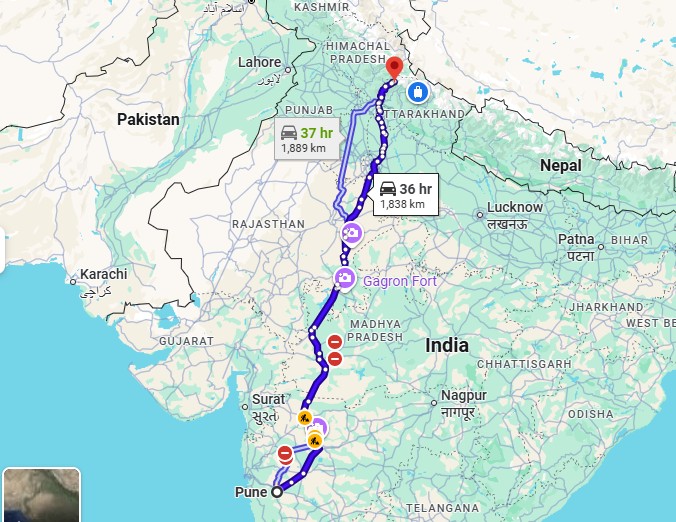
The trek itself starts from Sankri village, but the real journey begins in Dehradun, the gateway to most Garhwal treks.
From Pune, there are two sensible ways to reach Dehradun.
Flying is the most comfortable option. Flights from Pune to Dehradun usually connect via Delhi and take around five to seven hours depending on the layover. This saves energy, which matters because the road journey to Sankri is long.
Trains are cheaper but demanding. Most people travel from Pune to Delhi by long-distance train and then take a connecting train to Dehradun. This route can take over thirty hours and works only if you have enough buffer days.
From Dehradun, Sankri is still about 200 kilometers away.
- The drive takes 8 to 10 hours through Mussoorie, Purola, and Tons Valley
- Shared cabs usually leave early morning from near Dehradun Railway Station
- Private taxis are more flexible but cost more
Most trekkers reach Sankri by evening, stay overnight, and start the trek the next day.
How Many Days Should You Plan
This is where many people miscalculate.
Kedarkantha is not a short trip when you start from Pune. Even though the trek itself is only four days long, the travel adds up.
A realistic plan looks like this:
- Minimum duration: 7 days
- Comfortable plan: 8 days
- Trek days (ex-Sankri): 4 days
- Travel and buffer: 3–4 days
Trying to compress the plan usually leads to rushed travel, poor rest, or stress on the return journey. The mountains operate on their own timeline, and having a buffer day makes a big difference.
What the Kedarkantha Trek Itinerary Looks Like
Once you reach Sankri, the trek unfolds at a steady, manageable pace.
Day 1: Sankri to Juda ka Talab
The first trekking day takes you from Sankri into pine and oak forests, climbing gradually toward Juda Ka Talab. In winter, the lake often freezes, and the campsite nearby feels quiet and surreal.
Day 2: Juda ka Talab to Kedarkantha Baescamp
The second day moves higher toward the Kedarkantha base camp. Forests begin to thin out, meadows open up, and on clear days you start spotting peaks like Swargarohini and Bandarpoonch.
Day 3: Kedarkantha Base to Summit and bac to Base
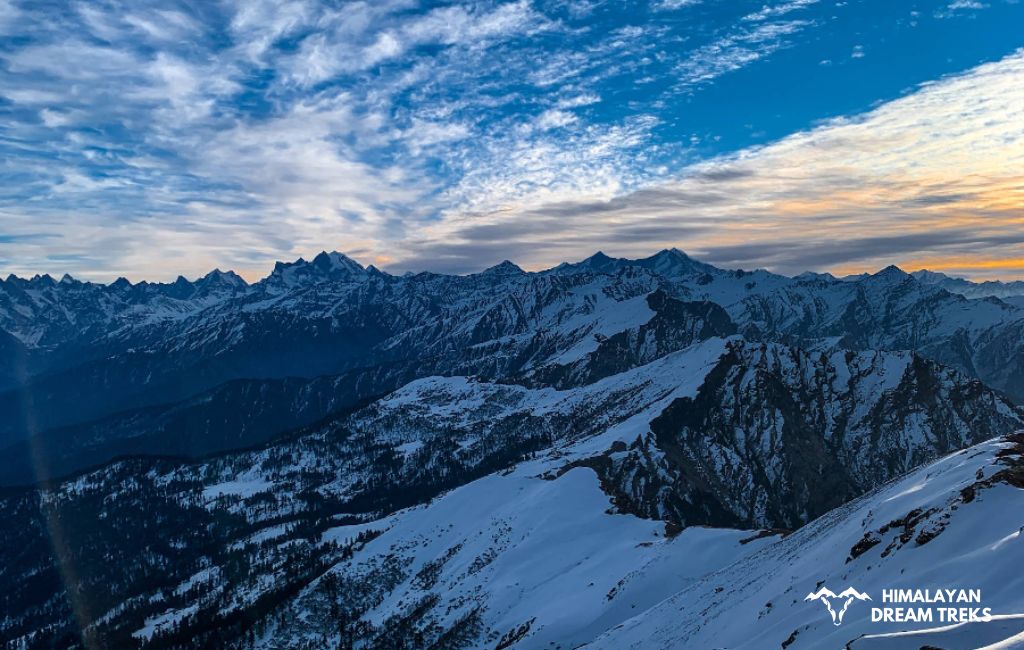
Summit day starts early. The final climb is steep, especially the last stretch, which can feel taxing in snow. This is where slow steps and patience matter more than strength. The summit sits around 12,500 feet and offers a wide, open Himalayan panorama before the long descent to Hargaon or back to base camp.
Day 4: Base to Sankri
The last day is an easy downhill walk back to Sankri, giving your legs time to recover and your mind time to absorb the experience.
Best Time to Do the Kedarkantha Trek
Kedarkantha changes its personality with the seasons, so timing matters.
- December to February is peak winter season. Snow covers the trail, campsites freeze at night, and temperatures can drop to minus ten degrees. This is when Kedarkantha earns its reputation as a true winter trek.
- March and April bring melting snow and blooming rhododendrons. Conditions are easier, and the forest looks alive.
- October and November offer dry trails, clear skies, and excellent visibility, making them ideal for photography and quieter treks.
The monsoon months are best avoided due to slippery trails and landslide risks.
How Difficult Is Kedarkantha for Pune Trekkers
Kedarkantha is generally rated easy to moderate, around 4 out of 10. But numbers don’t tell the whole story.
Altitude becomes noticeable after Juda Ka Talab. The summit day is the most demanding part because of the steep incline and thin air. Snow adds another layer of effort.
That said, you don’t need extreme fitness. A few weeks of regular walking, stair climbing, or light cardio is usually enough. What matters most is pacing yourself and not rushing the climb.
Cost of Doing Kedarkantha Trek from Pune (A Complete Travel Expanse)
One reason Kedarkantha remains popular is its affordability.
- Trek packages covering Sankri to Sankri generally cost ₹5,000 to ₹8,000 and include food, stay, guides, and permits
- Travel from Pune to Dehradun usually falls between ₹8,000 and ₹15,000, depending on flights or trains
- Gear rental and optional backpack offloading may add ₹2,000 to ₹3,000
Most trekkers complete the entire trip within a budget of ₹18,000 to ₹25,000 per person.
Permits and Forest Rules You Should Know
Kedarkantha lies within forest-regulated areas near Govind Wildlife Sanctuary. Entry permits and registration at Sankri are mandatory, and camping is allowed only at designated campsites. Open fires are restricted.
If you trek with an organized group, these formalities are usually handled for you. Independent trekkers need to arrange permits locally in Sankri.
A Few Practical Tips for Trekkers from Maharashtra
- Start light fitness preparation 2–3 weeks before the trek
- Reach Dehradun a day early if possible
- Stay hydrated even in cold weather
- Coming from sea level, altitude mountain sickness (AMS) prevention is crucial
- Walk slow on summit day, speed works against you here
- Ensure you carry a valid ID proof and a medical fitness certificate
- Choose a reputed trek operator if this is your first Himalayan trek
Final Thoughts on Kedarkantha Trek
For trekkers from Pune, Kedarkantha is more than just a popular winter trail. It is often the trek that changes how you see the Himalayas. You travel far, adapt to altitude, walk on snow, and stand on a summit you reached on your own feet.
Plan it with patience, give it enough days, and Kedarkantha quietly becomes the trek that makes you feel ready for bigger Himalayan journeys ahead.
Written By:
Mountains Curve

Hotels at your convenience
Now choose your stay according to your preference. From finding a place for your dream destination or a mere weekend getaway to business accommodations or brief stay, we have got you covered. Explore hotels as per your mood.