Kedarnath Yatra: Best Time, Route Map & Travel Tips
 Deepanshu Negi
23 Feb, 2026
10 mins read
52
Deepanshu Negi
23 Feb, 2026
10 mins read
52
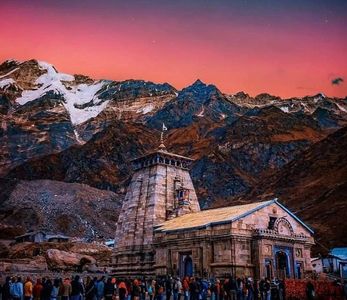
The Kedarnath Yatra is one of the most sacred pilgrimages in India and an important part of the Char Dham circuit in Uttarakhand. Every year, lakhs of devotees travel to the holy Kedarnath Temple, dedicated to Shiva. The temple stands at an altitude of about 3,583 meters in the Garhwal Himalayas, surrounded by snow-covered peaks and dramatic landscapes.
This journey demands preparation. You walk long distances, face unpredictable weather, and deal with high altitude. But in return, you experience faith, natural beauty, and a deep sense of calm that is hard to describe in words.
If you plan your visit carefully, the yatra becomes smooth and memorable. Let us understand the best time to visit, the complete route map, and essential travel tips in detail.
Historical and Spiritual Significance
Kedarnath Temple holds immense religious importance as one of the twelve Jyotirlingas of Lord Shiva. According to Hindu belief, the Pandavas built the temple to seek forgiveness after the Mahabharata war. Later, Adi Shankaracharya restored it in the 8th century.
The temple structure features massive stone slabs that have stood firm against centuries of extreme weather. Even during the devastating 2013 floods, the main shrine remained intact while the surrounding area suffered heavy damage. Many devotees see this survival as a powerful symbol of faith.
The spiritual atmosphere, combined with the raw Himalayan backdrop, makes Kedarnath more than a destination. It feels like an experience that connects history, mythology, and nature.
Best Time to Visit Kedarnath
Selecting the right season ensures comfort and safety. The temple remains open only for about six months each year due to heavy winter snowfall.
1. Summer Season (May to June)
Summer marks the official opening of the temple. Temperatures range between 5°C and 18°C, which makes trekking manageable.
Advantages of visiting in summer:
- Stable road connectivity
- Pleasant daytime weather
- Full availability of services
However, this season also attracts maximum pilgrims. Expect queues and crowded trekking routes, especially in May.
2. Monsoon Season (July to September)
Monsoon transforms the valley into a green paradise. Waterfalls flow strongly, and the mountains look fresh and vibrant.
But rainfall increases the risk of landslides and slippery paths. The Himalayan terrain becomes unpredictable during heavy showers. Travelers must monitor weather updates carefully during this period.
If safety and smooth travel matter most to you, avoid peak monsoon weeks.
3. Autumn Season (September to October)
Autumn offers clear skies, crisp air, and fewer crowds. Visibility improves significantly, which gives you breathtaking views of surrounding peaks.
Many experienced travelers prefer this season because it combines safety, comfort, and scenic beauty.
4. Winter Closure (November to April)
The temple closes during winter due to heavy snowfall. Worship shifts to Ukhimath during this period. Regular pilgrimage to Kedarnath does not operate in winter months.
Kedarnath Route Map: Step-by-Step Guide
Reaching Kedarnath involves both road travel and trekking.
Step 1: Reach Haridwar or Rishikesh
Most pilgrims begin from Haridwar or Rishikesh. Both cities offer strong rail and road connectivity from Delhi and other major Indian cities.
Step 2: Road Journey to Sonprayag
From Rishikesh, you travel via Devprayag, Srinagar, Rudraprayag, and Guptkashi to reach Sonprayag. The road distance measures around 210-220 kilometers and takes 7 to 9 hours depending on traffic and weather.
Private taxis, buses, and shared vehicles operate on this route.
Step 3: Sonprayag to Gaurikund
From Sonprayag, local vehicles take you to Gaurikund. Gaurikund serves as the base camp for the Kedarnath yatra.
Step 4: Trek from Gaurikund to Kedarnath
The trek spans approximately 16 to 18 kilometers. Authorities redesigned the route after 2013 to improve safety and accessibility.
You will find:
- Properly paved walking paths
- Resting shelters
- Food stalls
- Medical checkpoints
Travel options include walking, pony services, doli services, and helicopter rides from nearby helipads.
Registration and Crowd Management
Pilgrim registration remains mandatory for safety and monitoring. Authorities regulate daily pilgrim numbers to prevent overcrowding in high-altitude conditions.
Carry the following:
- Valid government ID
- Registration confirmation
- Emergency contact details
Registration helps authorities track movement and manage crowd flow effectively.

Physical Fitness and Health Considerations
Kedarnath sits above 3,500 meters, where oxygen levels drop noticeably. Even physically fit individuals may feel breathless.
Prepare at least three to four weeks before travel:
- Walk 4-5 kilometers daily
- Practice stair climbing
- Include light cardio workouts
People with heart, lung, or blood pressure issues should consult a doctor before planning the trip.
Altitude sickness symptoms may include headache, nausea, and dizziness. If symptoms appear, descend immediately and seek medical help.
Packing Guide for Kedarnath Yatra
Smart packing reduces discomfort during the trek.
Essential items:
- Thermal innerwear
- Waterproof jacket
- Woolen gloves and cap
- Comfortable trekking shoes with good grip
- Sunglasses and sunscreen
- Personal medicines
- Power bank
Weather can change within minutes in the Himalayas. Always pack layered clothing.
Accommodation Options
You can choose from:
- Guest houses
- Budget hotels
- Dharamshalas
- Camps
Availability decreases quickly during peak season. Advance booking prevents last-minute stress.
Basic facilities remain available near the temple area, but luxury options are limited due to the remote location.
Food and Water Facilities
Simple vegetarian food options are available along the trekking route. You will find tea stalls, small eateries, and packaged snacks.
Avoid overeating during the climb. Eat light and stay hydrated. Carry energy bars or dry fruits for quick nutrition.
Safety Improvements After 2013
The 2013 disaster reshaped Kedarnath’s infrastructure. Authorities strengthened trekking paths, added safety railings, and improved emergency response systems.
Today, the route includes:
- Wider and more stable pathways
- Increased medical support
- Better crowd control measures
- Weather monitoring systems
These upgrades have significantly improved pilgrim safety.
Responsible Travel Practices
The Kedarnath region lies in a fragile Himalayan ecosystem. Responsible travel protects the environment and future pilgrims.
Follow these simple practices:
- Avoid plastic waste
- Use reusable water bottles
- Do not litter on trekking paths
- Respect local culture and traditions
Clean surroundings reflect respect for both nature and faith.
Final Thoughts
The Kedarnath Yatra combines devotion, discipline, and adventure in a unique way. You walk through valleys shaped by glaciers and stand before a temple that has endured centuries of harsh Himalayan weather.
Plan your visit during the right season. Prepare your body in advance. Follow safety guidelines strictly.
When you finally stand before Kedarnath Temple, with cold mountain air on your face and towering peaks behind you, you will understand why this journey holds such deep meaning for millions.
Faith brings you here. Preparation helps you complete the journey safely.
Written By:
Deepanshu Negi

Hotels at your convenience
Now choose your stay according to your preference. From finding a place for your dream destination or a mere weekend getaway to business accommodations or brief stay, we have got you covered. Explore hotels as per your mood.