Kudremukh National Park: A Complete Travel Guide for First-Time Visitors
 Palakshi Meharwal
20 Sep, 2025
9 mins read
136
Palakshi Meharwal
20 Sep, 2025
9 mins read
136
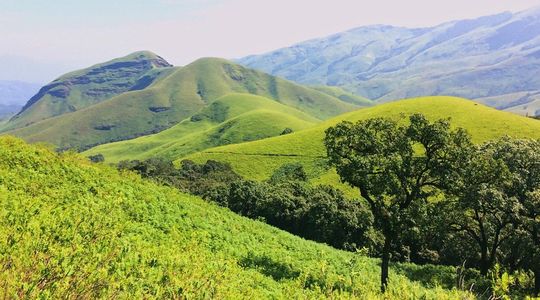
Tucked away in the verdant Western Ghats of Karnataka, Kudremukh National Park is one of India’s most captivating biodiversity hotspots. Known for its rolling grasslands, dense forests, and rich wildlife, this protected reserve attracts trekkers, nature lovers, and photographers alike. If you are planning your first trip, this guide will walk you through everything you need to know — from history and geography to travel tips and best experiences.
An Overview of Kudremukh National Park
Spread across nearly 600 square kilometers, Kudremukh National Park is part of the Chikkamagaluru district in Karnataka. The park derives its name from the Kannada word Kudremukh, meaning “horse’s face,†because one of its mountain peaks resembles the profile of a horse.
Declared a national park in 1987, Kudremukh is a vital part of the Western Ghats, a UNESCO World Heritage Site. Its landscape features a mix of tropical evergreen forests, shola grasslands, and winding streams that eventually feed three major rivers — Tunga, Bhadra, and Netravati.
Why Visit Kudremukh National Park?
For first-time visitors, Kudremukh is not just about trekking but also about immersing yourself in untouched natural beauty. Some highlights include:
- Scenic Treks – The Kudremukh Peak trek is among the most popular in South India, offering panoramic views of misty hills and valleys.
- Wildlife Encounters – The park shelters animals like tigers, leopards, wild dogs, sambar deer, and Malabar civets, along with over 200 bird species.
- Botanical Richness – It is home to rare orchids and medicinal plants that thrive in the high-altitude climate.
- Waterfalls and Streams – Waterfalls such as Kadambi and Hanuman Gundi add to the park’s charm, making it a perfect escape from city life.
Best Time to Visit
Kudremukh enjoys a cool, pleasant climate for most of the year, but the ideal months for visiting depend on your preferences:
- Post-Monsoon (October to February): The most recommended time. The landscape is lush and green, the skies are clearer, and trekking trails are safe.
- Summer (March to May): Temperatures rise slightly, but early morning treks are still enjoyable.
- Monsoon (June to September): Trekking is generally restricted due to heavy rainfall and leech infestations, though the waterfalls are spectacular during this season.
How to Reach Kudremukh National Park
- By Air: The nearest airport is Mangalore International Airport, about 100 km away. From there, taxis and buses connect to Kudremukh.
- By Rail: The closest railway station is at Mangalore, well connected with Bengaluru and other cities.
- By Road: Kudremukh is accessible by road from Chikkamagaluru (100 km) and Mangalore. KSRTC buses and private cabs are commonly used by travelers.
Things to Do in Kudremukh
- Trekking the Kudremukh Peak
- The trek spans about 9 km one way, leading through rolling grasslands, streams, and forest patches. A permit is required from the forest department, and local guides are often recommended for safety.
- Exploring Hanuman Gundi Waterfall
- Located inside the park, this cascading waterfall is a refreshing spot to unwind after a long trek.
- Bird Watching
- With its diverse habitats, Kudremukh attracts bird species like the Malabar trogon, imperial pigeon, and hornbills. Carrying binoculars is a must for enthusiasts.
- Nature Walks and Photography
- Beyond trekking, short walks through the park allow you to observe flora and fauna at a slower pace. Photographers will especially enjoy the interplay of mist and sunlight in the valleys.
Accommodation Options
Since Kudremukh is a protected area, staying within the park is limited. Options include:
- Forest Rest Houses – Managed by the Karnataka Forest Department, available on prior booking.
- Homestays and Resorts – Villages around Kudremukh, such as Kalasa and Samse, offer comfortable homestays and eco-resorts that provide both convenience and a local cultural experience.
- Camping – While camping inside the core zone is restricted, some operators arrange eco-friendly camping on the outskirts of the park.
Travel Tips for First-Time Visitors
- Obtain Permits in Advance: Trekking permits are mandatory and can be arranged through the forest department.
- Hire a Guide: Local guides know the terrain well and ensure safety while helping you discover hidden gems.
- Pack Smart: Carry lightweight rain gear, trekking shoes, a first-aid kit, and sufficient drinking water.
- Respect the Ecosystem: Avoid littering, refrain from plucking plants, and maintain silence to not disturb wildlife.
- Stay Connected: Mobile networks may be weak in some areas, so inform your family or friends in advance about your plans.
Responsible Tourism at Kudremukh
As an ecologically sensitive zone, Kudremukh requires visitors to be conscious travelers. The park plays a crucial role in protecting watersheds and wildlife, so following eco-friendly practices is essential. Stick to marked trails, avoid plastic, and support local communities by choosing homestays and local guides.
Final Thoughts
Kudremukh National Park is more than just a trekking destination; it’s a sanctuary where nature reveals its unspoiled beauty. For first-time visitors, the park offers an unforgettable introduction to the wonders of the Western Ghats — a mix of adventure, biodiversity, and tranquility. Whether you’re climbing the Kudremukh peak, gazing at waterfalls, or simply breathing in the mountain air, the experience will stay with you long after you leave.
Written By:
Palakshi Meharwal

Hotels at your convenience
Now choose your stay according to your preference. From finding a place for your dream destination or a mere weekend getaway to business accommodations or brief stay, we have got you covered. Explore hotels as per your mood.