Leh and Ladakh Tour Guide for High-Altitude Adventure
 Rrehman Abdul
18 Nov, 2025
10 mins read
103
Rrehman Abdul
18 Nov, 2025
10 mins read
103
Planning a Leh–Ladakh Tour is a dream for thousands of Indian travellers seeking breathtaking Himalayan landscapes, thrilling roads, ancient monasteries, and the unique charm of high-altitude deserts. But travelling to such elevations also brings challenges—thin air, extreme temperatures, and tough terrain—which makes proper planning essential. This complete guide helps you understand the best routes, acclimatization tips, packing essentials, permits to secure, local culture to experience, and the top adventure spots you should not miss. Whether you’re travelling solo, with friends, or as a family, this Leh–Ladakh travel guide ensures your journey remains smooth, safe, and truly unforgettable.
Why Leh and Ladakh Are India’s Ultimate High-Altitude Adventure Destinations
What Makes Ladakh Unique for Indian Travelers
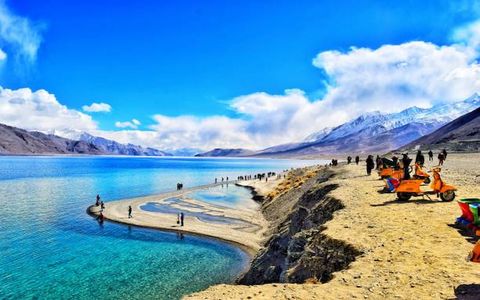
Ladakh stands apart from every other Indian destination thanks to its raw, untouched landscapes. From the deep-blue Pangong Lake to the rugged mountains of Nubra Valley, every turn reveals postcard-worthy scenery. Its ancient monasteries—such as Hemis, Diskit, and Lamayuru—add a spiritual calm to the region, while the Tibetan–Buddhist culture brings warmth and simplicity to your travel experience. The climate, with crisp air and bright sunshine, makes the region ideal for photography lovers and peace seekers alike.
Key Challenges of High-Altitude Travel
Travelling in Ladakh means navigating high passes, lower oxygen levels, cold winds, and unpredictable weather. Roads may get blocked due to snowfall or landslides, and sudden altitude gain can cause discomfort if not managed properly. Understanding these challenges helps you prepare better and enjoy your trip with confidence.
How to Prepare for a Leh and Ladakh Tour (Acclimatization, Fitness & Packing)
Acclimatization Tips for First-Time Travelers
For first-time travellers, acclimatization is crucial. Spend at least one full day resting in Leh after arrival. Avoid heavy meals and alcohol, drink plenty of water, and walk slowly to adjust to the altitude. Gradual ascent is key—plan your itinerary so that your body has time to adapt before heading to Nubra Valley or Pangong Lake.
Essential Packing List for High-Altitude Travel
Pack warm layers, including thermal wear, fleece jackets, and windproof outerwear. Good hydration gear, sunglasses, sunscreen, and a personal medicine kit are essential. Carry portable chargers, power banks, and extra batteries as the cold drains power quickly. Travellers booking through agencies like Go Kite Tours often get curated packing checklists to ensure nothing important is missed.
Best Routes to Reach Leh and Ladakh from India
Leh via Manali–Leh Highway
The Manali–Leh route is one of India’s most iconic road trips. Known for its dramatic landscapes—Baralacha La, Sarchu, and Jispa—it offers an unforgettable driving experience. The road opens around May–June and remains accessible until September. Expect rough patches, river crossings, and some of the highest motorable passes in the world.
Leh via Srinagar–Leh Route
This route is smoother, more scenic, and ideal for those who want a gradual altitude gain. The journey takes you through Sonamarg, Zoji La, Kargil, and the historic villages of Sham Valley. It’s considered safer and perfect for travellers who want comfortable acclimatization.
Must-Visit High-Altitude Destinations in Leh and Ladakh
Places Above 10,000 ft for Adventure Lovers
Pangong Lake’s surreal blue waters make it an unmissable stop. Nubra Valley offers sand dunes and double-humped camels unique to Ladakh, while Turtuk presents Balti culture and lush orchards. Khardung La, one of the world’s highest motorable passes, is a bucket-list climb for bikers and road trip enthusiasts.
Monasteries, Cultural Sites & Scenic Villages
Explore Hemis Monastery for its grand architecture and spiritual atmosphere. Diskit Monastery offers panoramic views of Nubra Valley, while Lamayuru—the “Moonland” of Ladakh—impresses with its lunar-like terrain. The village of Alchi, known for its ancient murals, is a peaceful cultural retreat that adds depth to your travel experience.
Adventure Activities to Try in Leh and Ladakh
Outdoor Adventures
Ladakh is an adventure lover’s paradise. Try popular treks like Chadar (winter), Markha Valley, or Sham Valley. River rafting on the Zanskar River is a thrilling experience, while ATV rides in Nubra and camel safaris on the Hunder dunes add a unique desert element to your trip.
Road Trip Experiences
Every road in Ladakh promises adventure—from riding a bike on the world-famous Khardung La to driving a 4x4 across Changthang’s high-altitude plains. Scenic photography stops like Magnetic Hill and Sangam Valley make every kilometre worthwhile.
Travel Tips, Permits & Budget Planning for a Leh and Ladakh Tour
Inner Line Permits & Safety Guidelines
Indian travellers need Inner Line Permits to visit areas like Nubra Valley, Pangong Lake, Tso Moriri, and Hanle. These can be obtained online or at the Leh District Office. Follow safety rules such as staying hydrated, avoiding late-night travel, and checking weather conditions daily.
Budget for Indian Travelers
A budget-friendly Ladakh trip starts at ₹18,000–₹25,000, covering stays, food, permits, and local transport. Mid-range travellers typically spend ₹35,000–₹50,000 depending on hotel quality, guided tours, and bike rentals. Early booking helps reduce costs during peak season.
FAQs
1. What is the best time for a Leh and Ladakh tour?
May to September is ideal for good weather and open roads.
2. How many days are enough for a Ladakh trip?
A 6–8 day trip is perfect for acclimatization and sightseeing.
3. Do Indian travelers need a permit for Ladakh?
Yes, Inner Line Permits are required for restricted regions.
4. Is Leh–Ladakh safe for beginners?
Absolutely—slow travel and good acclimatization make it manageable.
5. What is the minimum fitness level required?
Basic fitness is enough; light walking and cardio help.
6. Can I travel to Ladakh with family or kids?
Yes, but it’s recommended for children above 5 years.
7. Is mobile network available in Ladakh?
Only postpaid SIMs work, with limited coverage from BSNL, Airtel, and Jio.
8. How much does a Leh–Ladakh tour cost for Indian travellers?
Budget trips start at ₹18,000–₹25,000; mid-range trips go up to ₹50,000.
Written By:
Rrehman Abdul

Hotels at your convenience
Now choose your stay according to your preference. From finding a place for your dream destination or a mere weekend getaway to business accommodations or brief stay, we have got you covered. Explore hotels as per your mood.