Let the Calm Trails and Snow-Capped Peaks of Everest High Pass Inspire You
 Olivia Flores
03 Sep, 2025
6 mins read
41
Olivia Flores
03 Sep, 2025
6 mins read
41
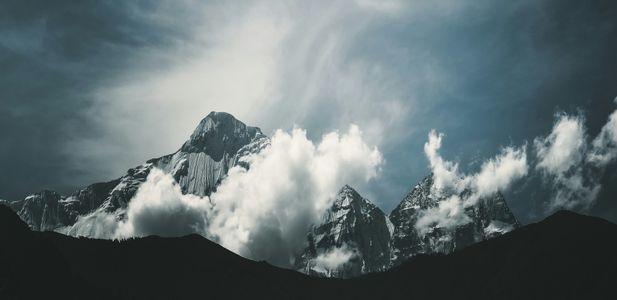
The Everest three high passes trek is a journey that challenges your body, delights your eyes, and soothes your soul. Hikers traverse serene trails, cross towering snow capped peaks, and witness some of the most iconic Himalayan landscapes. Unlike crowded routes, this trek offers peaceful paths and moments of reflection amid the grandeur of Everest, Lhotse, and Cho Oyu. Every step brings inspiration, adventure, and breathtaking scenery.
Essential Facts About the Trek
Before diving into the highlights, it is helpful to know some key statistics about the Everest three high passes trek:
- Average Length: 18 to 21 days depending on the route and pace.
- Total Distance: Approximately 150 kilometers round trip.
- Maximum Elevation: Kongma La Pass reaches 5,535 meters (18,159 feet), making it one of the highest points of the trek.
These figures show that the trek is demanding but achievable for well prepared hikers with proper acclimatization and fitness.
Why the Everest High Pass Trek Is Unique
The trek stands out because it combines adventure, natural beauty, and cultural experiences. Unlike simpler treks, it crosses three high passes Chola La, Kongma La, and Renjo La offering panoramic views of Everest, Lhotse, Makalu, and Cho Oyu. Trekkers also pass through Sherpa villages, Buddhist monasteries, and quiet valleys, creating a journey that is as spiritual as it is physical.
Highlights You Should not Miss
1. Crossing Three High Passes
The Everest three high passes trek is famous for its three challenging passes. Each pass provides a unique perspective of the Himalayas and a sense of achievement. Crossing Chola La, Kongma La, and Renjo La allows hikers to experience peaks from multiple angles and enjoy extraordinary photography opportunities.
2. Stunning Views of Everest and Neighboring Peaks
Every day of the trek brings new perspectives of Everest, Lhotse, Makalu, and Cho Oyu. The high passes offer unmatched panoramic views that make every step worth the effort. Sunrises and sunsets over these peaks create magical moments for trekkers.
3. Sherpa Culture and Villages
The trail passes through Namche Bazaar, Dingboche, and other Sherpa settlements. Hikers experience local hospitality, traditional foods, and learn about the culture and lifestyle of the Sherpa people. Visiting monasteries and interacting with villagers adds depth to the trekking experience.
4. Scenic Valleys and Glacial Landscapes
Between high passes and villages, trekkers walk through quiet valleys, glacial rivers, and moraine landscapes. These peaceful trails provide an opportunity to connect with nature, reflect, and enjoy the serene Himalayan environment.
5. Everest Base Camp Detour
Many trekkers combine the Everest three high passes trek with a visit to Everest Base Camp. Standing at the foot of the world’s highest peak, surrounded by snow and ice, is a life-changing experience that inspires awe and wonder.
Best Time to Trek
The optimal months for the Everest three high passes trek are spring (March to May) and autumn (September to November). Spring offers blooming rhododendrons and mild temperatures, while autumn provides clear skies, crisp air, and stable trekking conditions. Winter and monsoon seasons are less ideal due to heavy snow or rain, which can make the high passes difficult and dangerous.
Tips for a Safe and Enjoyable Trek
- Acclimatize Properly: Take time in Namche Bazaar or Dingboche to adjust to high altitudes.
- Pack Smart: Bring essential gear, warm clothing, and sturdy hiking boots.
- Stay Hydrated: Drinking water regularly prevents altitude sickness.
- Hire a Guide or Porter: Local guides enhance safety and enrich the cultural experience.
- Start Early Each Day: Maximize daylight and enjoy the best views during clear skies.
Why Adventurers Love This Trek
Hikers love the Everest three high passes trek for its perfect blend of challenge, beauty, and tranquility. It is less crowded than classic Everest Base Camp treks, providing a sense of solitude and connection with nature. The combination of high passes, Sherpa culture, and breathtaking peaks makes it a once-in-a-lifetime Himalayan experience.
Final Thoughts
The Everest three high passes trek is more than a physical journey; it is a spiritual adventure. Calm trails, snow capped peaks, and serene valleys inspire every trekker along the way. Crossing high passes, exploring Sherpa villages, and witnessing panoramic Himalayan landscapes create memories that last a lifetime. For adventurers seeking challenge, beauty, and inspiration, this trek is an extraordinary Himalayan escape.
Written By:
Olivia Flores

Hotels at your convenience
Now choose your stay according to your preference. From finding a place for your dream destination or a mere weekend getaway to business accommodations or brief stay, we have got you covered. Explore hotels as per your mood.