Life in the Khumbu Region Experiencing Sherpa Culture on the Trek
 Ankit Rawat
27 Aug, 2025
10 mins read
120
Ankit Rawat
27 Aug, 2025
10 mins read
120
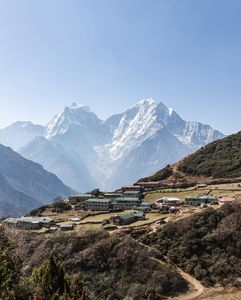
The Khumbu region of Nepal is famous as the gateway to Mount Everest. Every year, thousands of trekkers walk through this valley to reach Everest Base Camp, but along the way, they also discover something deeper than mountains and glaciers. The Khumbu is home to the Sherpas, a community known for their strength, warmth, and traditions. Experiencing Sherpa culture during the trek is one of the most memorable parts of the journey.
Life here is shaped by altitude, weather, and the spirit of the mountains. Villages are built on steep slopes, surrounded by fields of barley and potatoes. Colorful prayer flags flutter in the wind, and monasteries stand on ridges overlooking snowy peaks. For trekkers, this cultural journey is just as meaningful as the physical challenge of walking to Everest Base Camp.
Sherpa Villages and Daily Life
Sherpa villages are scattered across the Khumbu, from Lukla and Namche Bazaar to small hamlets like Tengboche, Dingboche, and Pangboche. Houses are built with stone walls and wooden roofs, often painted white with brightly colored window frames. Most families live in simple homes with a kitchen, living room, and bedrooms warmed by a stove.
Farming is an important part of life. At lower altitudes, Sherpas grow crops like maize, barley, and potatoes. At higher altitudes, the land is less fertile, so families depend more on trade and tourism. Yaks are also a key part of daily life. They provide milk, butter, and cheese, and are used as pack animals to carry goods along the trails. Seeing a line of yaks with bells around their necks is a common sight on the trek.
Namche Bazaar The Sherpa Capital
Namche Bazaar is often called the capital of the Sherpas. Located at 3,440 meters, it is the biggest settlement in the Khumbu and a central stop for trekkers. The village has a busy market where traders from nearby villages and even Tibet come to sell goods. Here you can find everything from trekking gear to fresh vegetables.
For trekkers, Namche is also the first real chance to experience Sherpa culture in depth. The town has a Sherpa museum, which displays photographs, tools, and history of the region. You can also visit monasteries where monks chant prayers, giving you a glimpse into the spiritual side of the community. Spending an extra day here for acclimatization allows you to connect more closely with local life.
Religion and Spiritual Traditions
Buddhism is central to Sherpa culture. Almost every village has a monastery, and trails are decorated with mani stones carved with prayers. As you walk, you will pass prayer wheels that trekkers and locals spin for blessings. These symbols of faith show how deeply connected the Sherpas are to their beliefs.
One of the most famous monasteries in the Khumbu is Tengboche Monastery, located at 3,867 meters. It is the spiritual heart of the region, with a stunning backdrop of Ama Dablam and Everest. Trekkers often stop here to watch evening prayers. The sound of monks chanting inside the monastery, surrounded by mountains, is a powerful experience.
Festivals are also an important part of life. Mani Rimdu is one of the biggest Sherpa festivals, celebrated in monasteries with dance, music, and rituals. If your trek happens during this time, you may get the chance to witness the celebrations.
Sherpa Hospitality on the Trek
One of the most memorable parts of the Everest Base Camp trek is staying in tea houses run by Sherpa families. These lodges are simple but welcoming. A warm stove in the dining hall becomes the heart of the house, where trekkers gather after a long day of walking. Sherpa hosts often share stories of their lives, their families, and sometimes their own climbing experiences.
Meals are another way to connect with Sherpa culture. The most common dish is dal bhat, a plate of rice, lentil soup, and vegetables. It is filling and provides the energy needed for trekking. You may also try Sherpa stew (thukpa), butter tea, and yak cheese. Sharing meals with locals adds a personal touch to the journey.
The Role of Sherpas in Mountaineering
The world knows the Sherpas for their strength in high-altitude climbing. Since the first expeditions to Everest, Sherpa climbers have played a vital role in guiding, carrying loads, and setting ropes. Their knowledge of the mountains and their ability to work in thin air make them the backbone of mountaineering in Nepal.
For trekkers, meeting a Sherpa guide or porter is often the highlight of the journey. Many share stories of climbing Everest or supporting expeditions. Listening to these experiences gives you a new respect for their courage and skills. The bond between trekkers and Sherpa guides often becomes a lasting friendship.
Challenges of Life in the Khumbu
While the Khumbu is beautiful, life here is not easy. Winters are long and harsh, and food supplies often depend on goods carried by yaks or flown into Lukla. Tourism provides most of the income, but it also brings challenges like waste management and environmental change. Climate change has started to affect the region as well, with glaciers retreating and weather patterns shifting.
Despite these difficulties, Sherpas remain deeply connected to their land and traditions. Their resilience and positive outlook inspire many who visit. Trekking through the Khumbu is not only about reaching Everest Base Camp but also about understanding the way people live in such a remote and challenging environment.
Experiencing Sherpa Culture as a Trekker
As a visitor, you can make your trek more meaningful by showing respect for local customs. Here are a few simple ways to experience Sherpa culture respectfully:
- Walk around mani stones and stupas in a clockwise direction, as locals do.
- Ask before taking photographs of people, especially monks or elders.
- Support local tea houses, shops, and guides to contribute to the community.
- Learn a few basic words of Nepali or Sherpa language, like “Namaste†for greeting.
These small gestures make your journey more authentic and help preserve the culture you came to experience.
Final Thoughts
The Everest Base Camp trek is often described as a journey to the world’s highest mountain, but the real heart of the trek lies in the Khumbu region and its people. Experiencing Sherpa culture gives meaning to the landscapes and trails. From the warmth of a tea house to the chants of monks in Tengboche, from yak caravans crossing suspension bridges to children playing in village courtyards, every step tells a story of life in the mountains.
When you finish your trek, the peaks will stay in your memory, but so will the faces, traditions, and hospitality of the Sherpa people. The Khumbu is not only a land of adventure but also a living culture that continues to inspire everyone who walks its trails.
Written By:
Ankit Rawat

Hotels at your convenience
Now choose your stay according to your preference. From finding a place for your dream destination or a mere weekend getaway to business accommodations or brief stay, we have got you covered. Explore hotels as per your mood.