Madagascar Travel Tips and Expert Advice for Trip Planning
 Arthur Rousseau
09 Apr, 2026
9 mins read
58
Arthur Rousseau
09 Apr, 2026
9 mins read
58
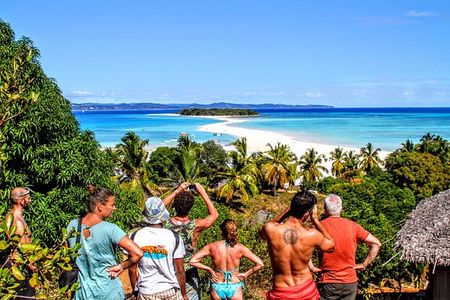
Madagascar is often called the "eighth continent" because of its incredible biodiversity and unique landscapes that you won't find anywhere else on Earth. From the iconic Avenue of the Baobabs to the playful lemurs jumping through the rainforests, this island is a dream for adventurers. However, planning a trip to such a remote destination requires some expert knowledge.
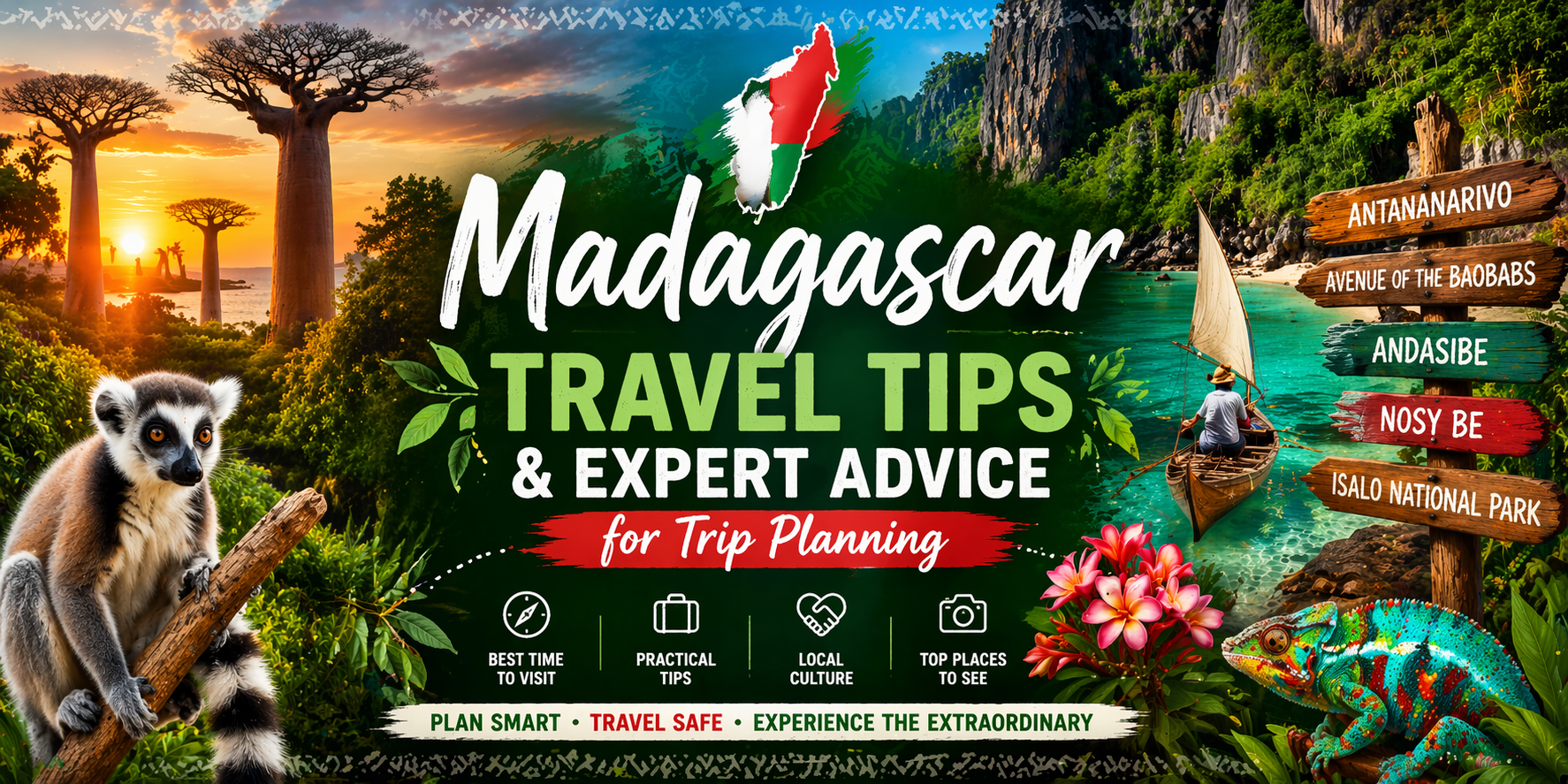
In this guide, we cover everything you need to know about traveling to Madagascar, from visa requirements to the best time to visit.
1. What is the best time of year to visit Madagascar?
The best time to visit Madagascar is during the dry season, which runs from April to October. During these months, the weather is pleasant, and the roads are generally accessible. If you want to see humpback whales, aim for July to September. Avoid the cyclone season between January and March, as heavy rains can wash out roads and make travel nearly impossible.
2. Do I need a visa to enter Madagascar?
Yes, most international travelers require a visa to enter Madagascar. The good news is that the country offers an e-Visa (Electronic Visa) system, which has made the process much simpler. You can check your specific requirements and see if your country is on the list by visiting Madagascar Visa Eligibility.
3. How can I apply for a Madagascar e-Visa online?
Applying for an e-Visa is the most efficient way to prepare for your trip. You simply need to fill out an online form with your passport details and travel dates. Once approved, you receive a landing authorization that you present upon arrival. This saves you from waiting in long queues at the airport.
4. What are the top things to see in Madagascar?
Madagascar is packed with wonders. You shouldn't miss:
- Avenue of the Baobabs: Stunning ancient trees that look like they belong on another planet.
- Andasibe-Mantadia National Park: The best place to hear the haunting call of the Indri lemur.
- Tsingy de Bemaraha: A UNESCO World Heritage site featuring sharp limestone formations.
- Nosy Be: The perfect spot for white sand beaches and world-class diving.
5. Is it safe to travel to Madagascar right now?
Madagascar is generally safe for tourists, but like any destination, you should stay cautious. Stick to well-known tourist areas, avoid walking alone at night in major cities like Antananarivo, and always keep an eye on your belongings. Using a local guide is highly recommended, as they know the terrain and local customs best.
6. What vaccinations are required for Madagascar?
While there are no mandatory vaccines for most travelers (unless you are coming from a yellow fever-affected area), doctors usually recommend vaccinations for Hepatitis A, Typhoid, and Polio. Malaria is present throughout the country, so it is essential to take anti-malarial medication and use insect repellent.
7. How do I get around the island?
Transportation in Madagascar can be a bit of a challenge. "Taxi-brousses" (bush taxis) are the most common and cheapest way to get around, but they can be crowded and slow. For more comfort, many travelers choose to hire a 4x4 vehicle with a driver. Air Madagascar also operates domestic flights between major hubs, though schedules can sometimes change.
8. What is the local currency and how much should I budget?
The local currency is the Malagasy Ariary (MGA). While high-end hotels might accept Euros or Credit Cards, you will need cash for markets, small restaurants, and tips. Budgeting is tricky; while local food is very cheap, high-quality accommodation and private transport can be quite pricey due to the infrastructure.
9. What should I pack for a Madagascar adventure?
Pack light but be prepared for different climates. Bring:
- Breathable cotton clothing for the coast.
- A warm fleece for the cooler highlands.
- Sturdy hiking boots for national parks.
- A high-quality waterproof jacket.
- A power bank, as electricity can be unreliable in rural areas.
10. What are the unique wildlife species I can see?
Over 90% of Madagascar’s wildlife is found nowhere else. You can see dozens of species of lemurs, the cat-like Fossa, and colorful chameleons. The island is a paradise for birdwatchers and nature photographers who want to capture species that are truly "one of a kind."
11. Is Madagascar good for a family holiday?
Yes! It’s a giant outdoor classroom for children. Seeing lemurs in the wild or exploring the "upside-down trees" is an unforgettable experience for kids. However, keep in mind that travel times between locations are long, so it is best to focus on one or two regions rather than trying to see the whole island.
12. Why choose our visa services?
Navigating government portals can be confusing. We provide a streamlined experience to ensure your travel plans stay on track:
- Reliable Travel Visa Services: Our global approach has assisted numerous travelers in obtaining their visas without the stress.
- Round-the-Clock Assistance: Reach out to us 24/7, and our experts will respond to your queries within 72 hours.
- Experienced Visa Consultants: Receive expert guidance to ensure your application meets all requirements for a high acceptance rate.
- Efficient Visa Application Process: Apply for your visa in minutes with our simplified, user-friendly form.
13. What is the refund policy for the Madagascar e-Visa?
Understanding the financial side of your application is important. Our refund policy addresses scenarios where plans change:
- Non-Approval of Visa: If immigration authorities do not approve your e-Visa application, you may be eligible for a refund of the visa fee. Please note that service or processing fees are generally non-refundable.
- Cancellation by Applicant: If you decide to cancel your application before it has been processed or approved, you can request a refund. The amount returned depends on how far along the application was at the time of your request.
14. What are the cultural etiquettes I should follow?
Malagasy culture is built on "Fady" (local taboos). These can vary from village to village. Always ask your guide before taking photos of people or sacred sites. Being respectful and learning a few words in Malagasy, like "Salama" (Hello), will go a long way in making connections with the friendly locals.
Planning a trip to Madagascar is the start of a life-changing journey. By handling your visa early and understanding the local landscape, you can focus on what really matters: enjoying the breathtaking beauty of the Red Island.
Written By:
Arthur Rousseau

Hotels at your convenience
Now choose your stay according to your preference. From finding a place for your dream destination or a mere weekend getaway to business accommodations or brief stay, we have got you covered. Explore hotels as per your mood.