Madagascar eVisa for Spain Citizens
 Hugo Bernard
05 Dec, 2025
16 mins read
100
Hugo Bernard
05 Dec, 2025
16 mins read
100
Madagascar, often called the "Red Island" or the "Eighth Continent," is a bucket-list destination for many Spanish travelers. From the Avenue of the Baobabs that rivals the beauty of Andalusia's landscapes to the unique biodiversity that can’t be found anywhere else on Earth, it offers an adventure of a lifetime. However, before you book your flight from Madrid or Barcelona, there is one essential step: obtaining your travel authorization.
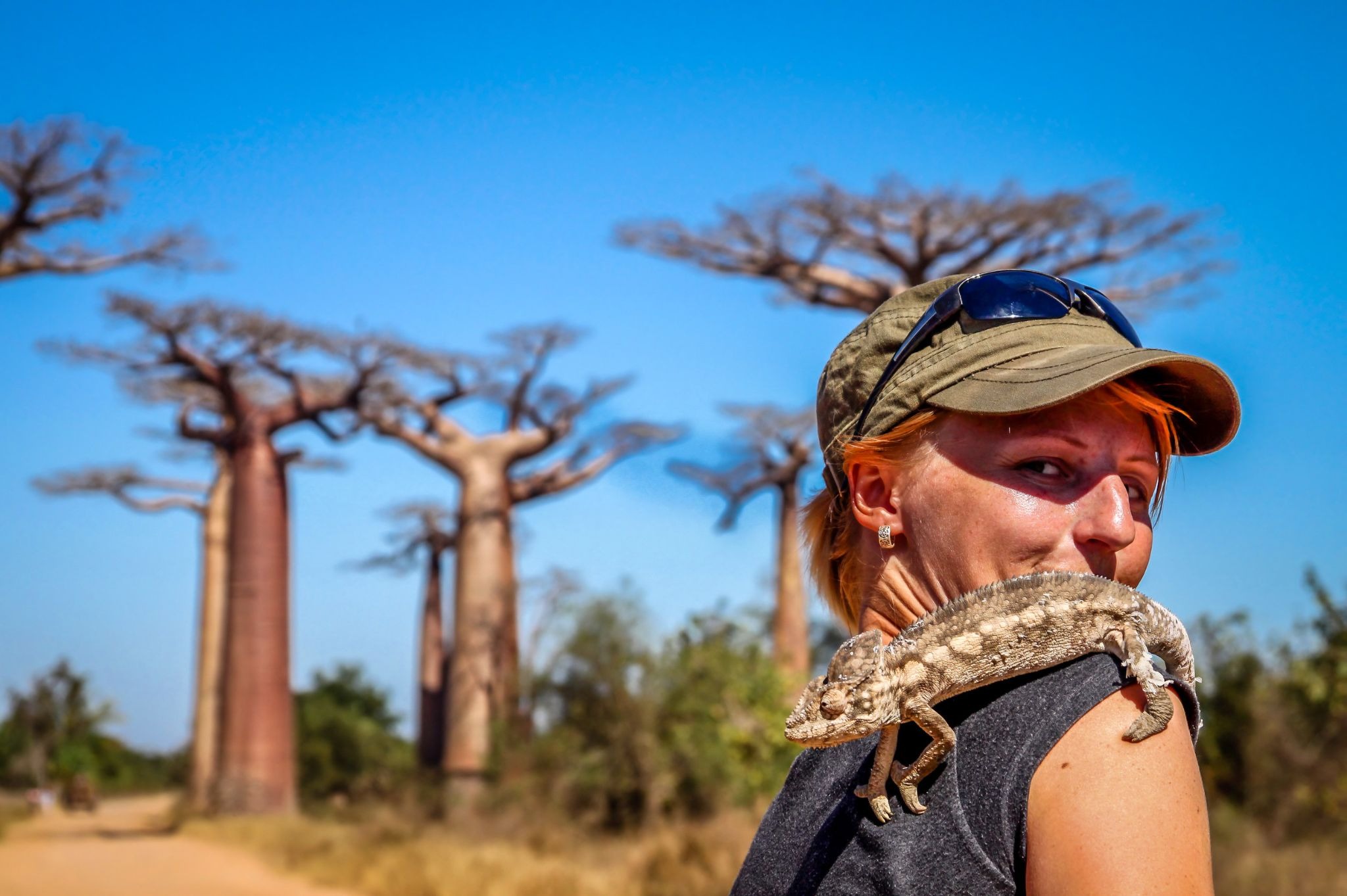
If you are holding a Spanish passport (pasaporte español), you likely have several questions. Is a visa required? Can you apply online? How much does it cost in Euros? This guide covers everything you need to know about the Madagascar eVisa for Spain citizens, ensuring your journey to Antananarivo is seamless and stress-free.
Do Spanish Citizens Need a Visa for Madagascar?
Yes, citizens of Spain are required to have a valid visa to enter Madagascar for tourism, business, or short-term stays. Although holders of Spanish passports enjoy visa-free access to many countries, Madagascar maintains its own entry requirements for EU nationals.
The good news is that the regulations are flexible. For stays of 15 days or less, you technically pay an administrative fee rather than a full visa fee, but you still need to complete the formalities. For stays exceeding 15 days, a standard Tourist Visa is mandatory.
What visa durations can I get with a Madagascar eVisa?
There are three main categories of Madagascar Tourist eVisa available for Spanish citizens. Choose the one that best fits your itinerary:
- Tourist eVisa - 15 Days: Perfect for short holidays or combined trips with other Indian Ocean islands. This is a Single Entry visa.
- Tourist eVisa - 30 Days: The most popular choice for a standard vacation exploring the North (Nosy Be) and the Capital. This is a Single Entry visa.
- Tourist eVisa - 60 Days: Ideal for adventurers planning a comprehensive tour of the island, from the Tsingy de Bemaraha to the southern coast. This is also a Single Entry visa.
Note: If you plan to stay longer than 60 days, you must apply for an extension at the Immigration Office in Madagascar or a "transformable visa" at an embassy.
What documents are needed for a Madagascar tourist visa?
To apply for the Madagascar eVisa from Spain, you must have the following documents ready in digital format (JPG or PDF). If opting for a Visa on Arrival, you must carry physical copies of these documents.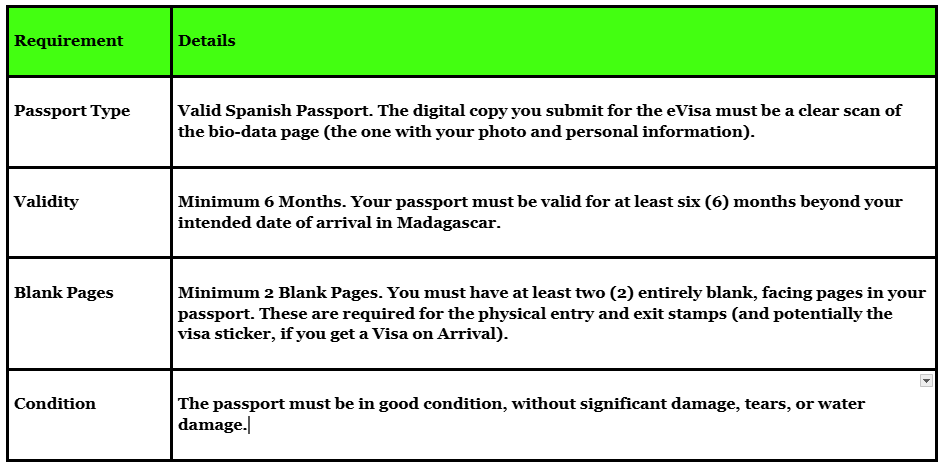
What are the steps to apply for a Madagascar eVisa online?
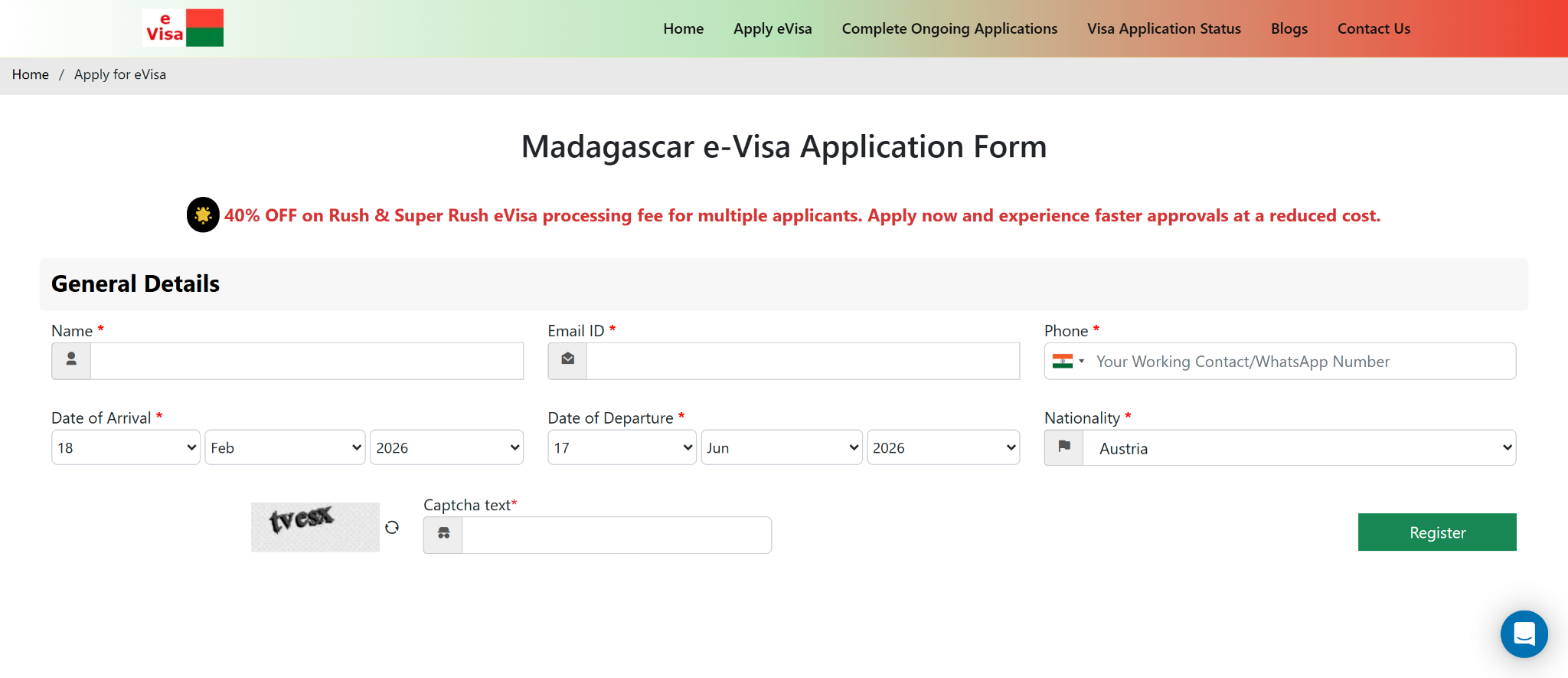
The application process is simple and can be done from your home in Valencia, Seville, or anywhere else.
- Enter Personal Data: Fill in your details exactly as they appear on your Spanish passport.
- Upload Files: Attach the scan of your passport's bio page.
- Select Processing Time: Choose between Normal, Rush, or Super Rush options.
- Payment: Pay the service and government fees using a credit or debit card (Visa/Mastercard).
- Receive & Print: Once approved, download the authorization from your email and print a hard copy to carry with you.
How long does a Madagascar eVisa take to process?
Planning your trip timeline is crucial. The processing times are generally as follows:
- Normal Processing: 4 - 6 Working Days. Recommended if you are booking at least a week in advance.
- Rush Processing: 2 - 4 Working Days. Good for last-minute plans.
- Super Rush Processing: 1 - 3 Working Days. Designed for urgent travel needs.
What are the requirements for a Spanish citizen to get a visa on arrival in Madagascar for trips longer than 15 days?
If you prefer to obtain your visa upon landing (Visa on Arrival), specific requirements must be met to ensure entry for stays exceeding 15 days (up to 60 days max):
- Valid Passport: Must have 6 months validity remaining and 2 blank pages.
- Confirmed Return Ticket: You must present a physical copy of your flight ticket out of Madagascar. Airlines in Spain may deny boarding if you cannot prove this.
- Cash Payment: Unlike the online system, VOA fees usually must be paid in cash. Euros (EUR) and US Dollars (USD) are widely accepted and preferred over the local currency at the border counters.
- Proof of Address: You may be asked for the address of your first night's accommodation.
- Fee: Be prepared to pay approximately €35-€45 depending on the length of stay (30 or 60 days).
What are the pros and cons of an e-visa versus a visa on arrival for Madagascar?
Choosing between the two options depends on your travel style. Here is a quick comparison for Spanish travelers: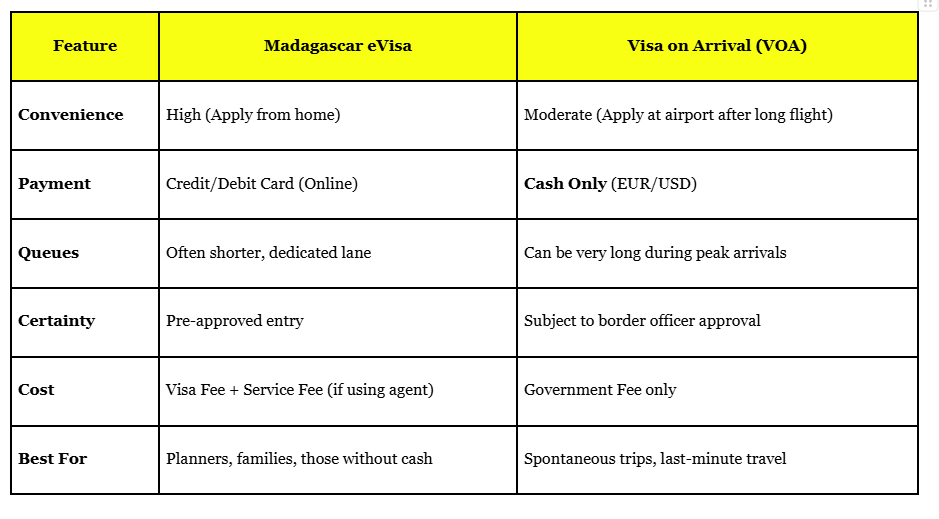 What's the best time to visit Madagascar and why?
Madagascar has distinct climate zones, so timing is key for the best experience:
- Dry Season (May to October): This is widely considered the best time to visit. The weather is cooler and drier, making road travel easier and hiking more comfortable.
- Whale Watching (July to September): If you are visiting the coast (Ile Sainte-Marie), this is the peak season to see Humpback whales migrating.
- Baby Lemurs (October - November): This is the perfect time for wildlife lovers as baby lemurs are born and are very active.
- Avoid Cyclone Season (January to March): Heavy rains can make roads impassable and many hotels close during this period.
Is Malaria a Risk for Spanish Travelers?
Yes, Madagascar is a malaria-endemic country.
- Consult a Doctor: Visit a tropical medicine center (Centro de Vacunación Internacional) in Spain before you travel.
- Prophylaxis: Most doctors will prescribe anti-malaria medication (e.g., Malarone).
- Prevention: Use strong insect repellent (DEET) and sleep under mosquito nets.
What Are the Best Flight Routes from Spain?
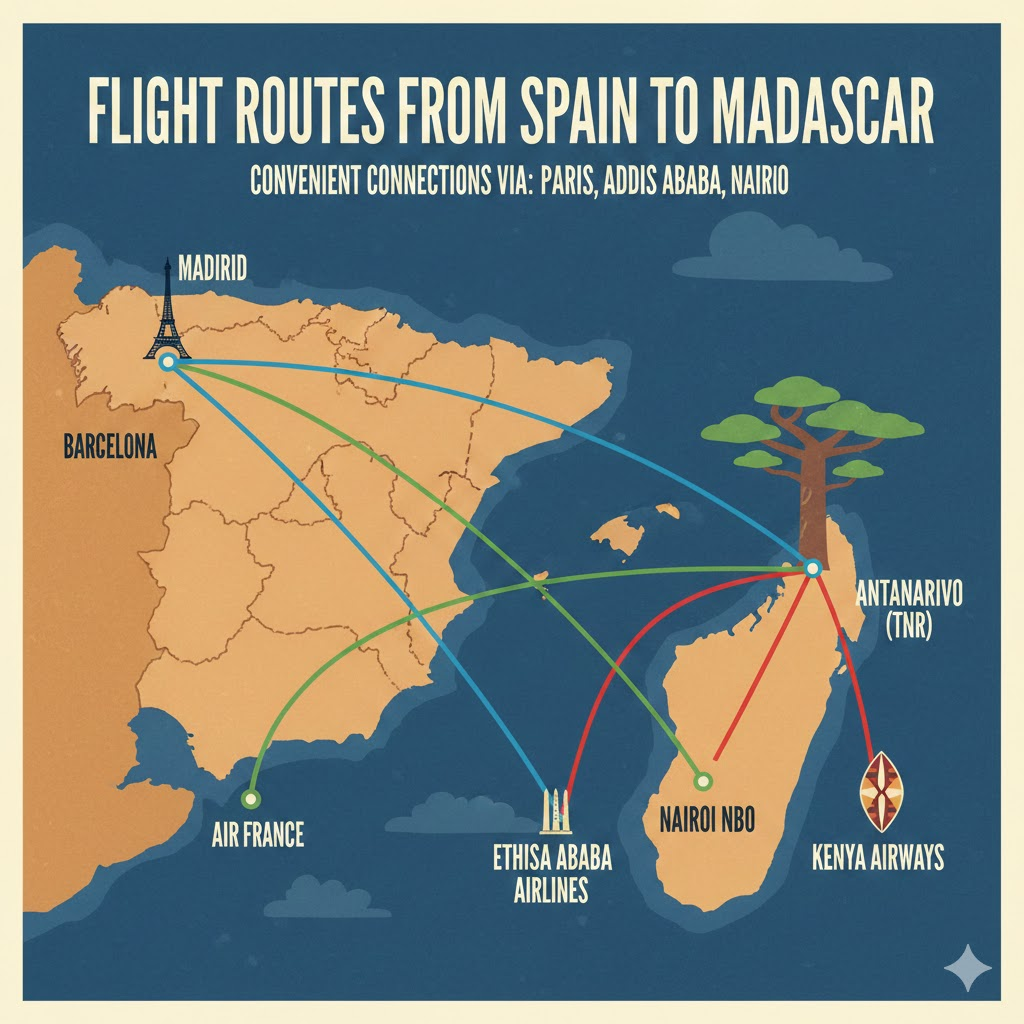
There are no direct non-stop flights from Spain to Madagascar, but there are convenient connections:
- Air France: Flights from Madrid (MAD) or Barcelona (BCN) via Paris (CDG) to Antananarivo (TNR).
- Ethiopian Airlines: Flights via Addis Ababa (ADD) are a popular choice.
- Kenya Airways: Flights via Nairobi (NBO).
Is It Safe for Spanish Tourists?
The Spanish Ministry of Foreign Affairs (Ministerio de Asuntos Exteriores) advises exercising caution.
- Crime: Petty crime occurs in cities. Avoid walking alone at night, especially in Antananarivo.
- Road Safety: Avoid traveling by road (brousse-taxi or rental) at night due to poor lighting and the risk of highway banditry in remote areas.
- Political: Avoid political gatherings or protests.
What Currency Should I Bring?
The local currency is the Malagasy Ariary (MGA).
- Euros (EUR): Widely accepted for visa fees and at larger hotels/restaurants. It is the best foreign currency to bring from Spain.
- Exchange: Change your Euros to Ariary at the airport or official exchange bureaus (bureaux de change).
- Cards: Credit cards are accepted in major tourist hubs, but cash is essential for rural areas and local markets.
Do travel agents help with visas?
Yes, using a professional visa agent is a popular choice for Spanish travelers who want extra security and convenience. They offer services such as:
- Form Assistance: Filling out government forms can be confusing; agents handle the data entry for you.
- Document Verification: Experts review your passport scan and photo to ensure they meet strict government resolution and size requirements, preventing rejection.
- 24/7 Support: If you encounter issues with the payment portal or have urgent questions, agents provide round-the-clock support in multiple languages.
Conclusion
Obtaining a Madagascar eVisa for Spain citizens is the first step toward exploring one of the world's most fascinating islands. Whether you want to dive in Nosy Be, see the lemurs in Andasibe, or walk the Avenue of the Baobabs, the online visa system makes the process simple.
Remember to check your passport validity, book your flights, and apply for your eVisa at least a week in advance to ensure a smooth start to your adventure.
¡Buen viaje!
Written By:
Hugo Bernard

Hotels at your convenience
Now choose your stay according to your preference. From finding a place for your dream destination or a mere weekend getaway to business accommodations or brief stay, we have got you covered. Explore hotels as per your mood.