Madmaheshwar Trek Distance: Complete Route, Time & Difficulty Guide
 Deepanshu Negi
22 Jan, 2026
11 mins read
373
Deepanshu Negi
22 Jan, 2026
11 mins read
373
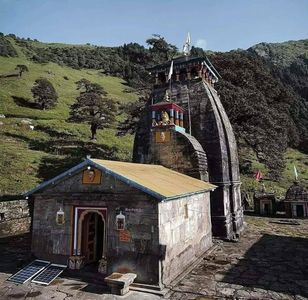
The Madmaheshwar trek is not a trail you rush through. It demands time, patience, and respect for the mountains. Located in the Garhwal Himalayas of Uttarakhand, this trek leads to Madmaheshwar Temple, one of the sacred Panch Kedar shrines of Lord Shiva.
Most trekkers search for one clear answer before planning: What is the actual Madmaheshwar trek distance, and how difficult is it?
This guide answers that question with facts, logic, and real route details nothing exaggerated, nothing imagined.
Overview of the Madmaheshwar Trek
The trek starts from Ransi village, near Ukhimath, after a long mountain drive from Rishikesh. From Ransi, the route climbs steadily through forests, stone paths, and remote Himalayan terrain.
- Total trek distance: Approx. 28 km (including Budha Madmaheshwar )
- Maximum altitude: Around 3,497 meters
- Region: Rudraprayag district, Uttarakhand
This trek feels quiet, serious, and deeply rooted in local belief. It rewards effort more than speed.
Madmaheshwar Trek Itinerary (4 Days)
This itinerary reflects the actual walking distances and route used by trekkers. It keeps the plan realistic and manageable.
Day 1: Rishikesh to Ransi (200Km)
The journey begins with a scenic drive from Rishikesh to Ransi, the base village of the Madmaheshwar trek. The road passes through Devprayag, Rudraprayag, and Ukhimath.
The drive takes most of the day due to mountain roads. By evening, you reach Ransi and settle in for the night. This day focuses on rest and preparation, not physical strain.
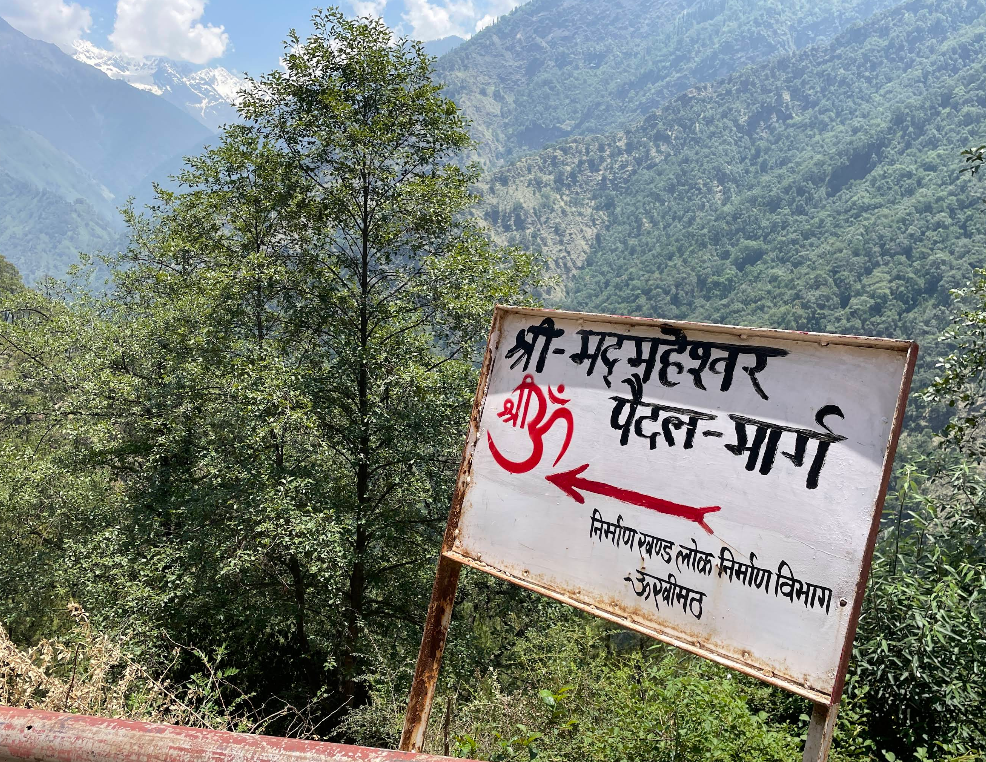
Day 2: Ransi to Madmaheshwar (13 km)
This is the core trekking day. The trail from Ransi to Madmaheshwar climbs continuously through forests and stone-paved sections.
The gradient stays moderate to steep in parts. You cross small resting points along the way, but the ascent demands stamina. Most trekkers take 6 to 7 hours to complete this section.
By late afternoon, you reach Madmaheshwar Temple. The surroundings feel peaceful, and the effort suddenly feels justified.
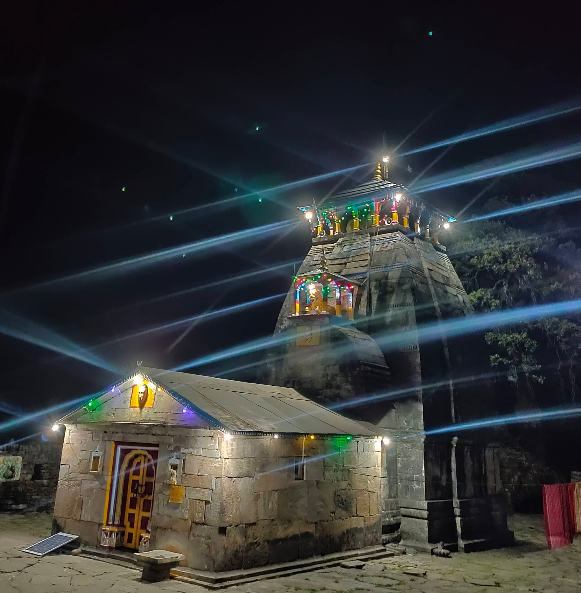
Day 3: Madmaheshwar to Budha Madmaheshwar and Return to Ransi (15 km)
The trail to Budha Madmaheshwar climbs higher than the main shrine. The path is steeper and more exposed, with fewer resting spots. This section tests endurance and leg strength.
After reaching Budha Madmaheshwar, trekkers descend all the way back to Ransi village. The total distance for the day is around 15 km, making it long and tiring. Knees feel the pressure during the descent.
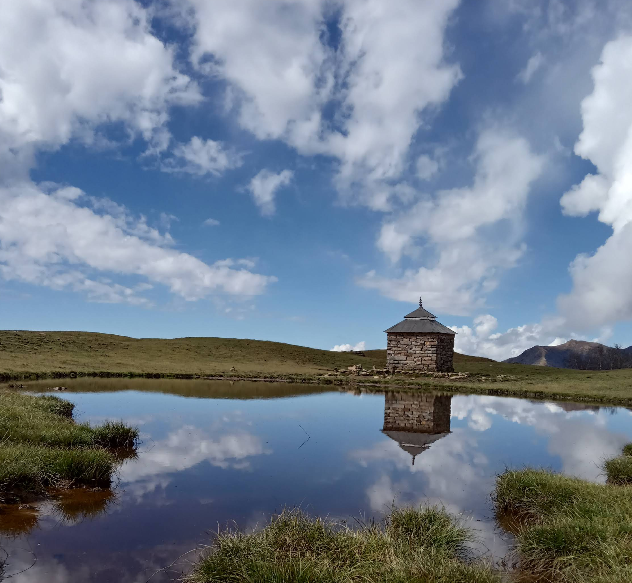
Day 4: Ransi to Rishikesh
The trek concludes with a return drive from Ransi to Rishikesh. After days of walking, this journey feels slow and reflective.
You return with tired legs, clearer thoughts, and a quiet sense of achievement that only such treks provide.
Madmaheshwar Trek Distance Explained Clearly
When people say the Madmaheshwar trek distance is short, they only look at numbers.
- Ransi to Madmaheshwar: 13 km
- Madmaheshwar to Budha Madmaheshwar and back to Ransi: 15 km
- Total trekking distance: ~28 km
The distance feels longer due to altitude, gradient, and long walking hours. This trek challenges consistency, not speed.
How Much Time Does the Trek Take Each Day?
Time varies based on pace and weather, but average estimates stay consistent.
- Ransi to Madmaheshwar: 6-7 hours
- Budha Madmaheshwar round hike with descent: 7-9 hours
Early starts matter. Afternoon weather in the Himalayas changes quickly.
Difficulty Level of the Madmaheshwar Trek
The Madmaheshwar trek falls under the moderate to difficult category.
It does not require technical climbing skills. However, it demands:
- Good cardiovascular endurance
- Strong knees for long descents
- Mental discipline to maintain pace
Altitude plays a role, especially for first-time trekkers.
Is Madmaheshwar Trek Suitable for Beginners?
Yes, but only with preparation.
Beginners should attempt this trek if they:
- Train consistently for at least 4-6 weeks
- Have experience with long walks or hill hikes
- Understand that this is not a leisure trail
Without preparation, the trek feels overwhelming.
Best Time to Do the Madmaheshwar Trek
Timing decides safety and comfort.
Best Months
- May to June: Stable weather, clear trails
- September to October: Crisp views, fewer pilgrims
Avoid These Months
- July to August: Monsoon increases landslide risk
- November to April: Snow closes the route
Temple opening and closing dates follow seasonal weather patterns and local administration guidelines.
Route Conditions and Facilities
The route remains well-defined but basic.
- Stone paths near villages
- Forest trails with loose rocks
- Limited accommodation and food options
Mobile network fades after Ransi. Carry essentials and inform family in advance.
Physical Preparation Tips
Preparation decides enjoyment.
- Brisk walking or jogging daily
- Stair climbing with backpack
- Squats and lunges for leg strength
- Breathing control exercises
Fitness beats fancy gear every time.
Why This Trek Leaves a Strong Impact
The Madmaheshwar trek distance of 28 km teaches patience. The silence, the effort, and the slow progress force you to disconnect from hurry.
The mountains do not entertain you here. They test you quietly.
And that is exactly why this trek stays with people long after it ends.
Frequently Asked Questions (FAQs)
1. How long is the Madmaheshwar trek in total?
The total Madmaheshwar trek distance is approximately 28 km. This includes the trek from Ransi to Madmaheshwar and the hike to Budha Madmaheshwar with the return to Ransi.
2.How many days are required for the Madmaheshwar trek?
Most trekkers complete the Madmaheshwar trek in 4 days. This includes travel from Rishikesh to Ransi, trekking days, and the return journey.
3.Is the Madmaheshwar trek difficult?
The trek falls in the moderate to difficult category. It involves long walking hours, continuous ascent, and steep descents, especially on the Budha Madmaheshwar day.
4.Can beginners do the Madmaheshwar trek?
Beginners can attempt the trek with proper preparation. Regular cardio training, leg strengthening, and prior hiking experience significantly improve comfort and safety.
5.What is the best time to do the Madmaheshwar trek?
The best time to do the trek is May to June and September to October. These months offer stable weather and safer trail conditions.
6.Is accommodation available on the Madmaheshwar trek route?
Yes, basic accommodation and food are available at Ransi and near Madmaheshwar Temple. Facilities remain simple, so trekkers should not expect hotel-level comfort.
7.Is mobile network available during the trek?
Mobile connectivity is limited and unreliable beyond Ransi village. Inform family members before starting the trek.
Written By:
Deepanshu Negi

Hotels at your convenience
Now choose your stay according to your preference. From finding a place for your dream destination or a mere weekend getaway to business accommodations or brief stay, we have got you covered. Explore hotels as per your mood.