Marchoi Trek – Untouched Trails of Kashmir
 Jagat Nath
22 Jan, 2026
13 mins read
49
Jagat Nath
22 Jan, 2026
13 mins read
49
Introduction: Discovering Kashmir's Hidden Trek
Everyone talks about Kashmir Great Lakes Trek. And don't get me wrong—it's spectacular. But there's something about finding a trail that doesn't show up on every Instagram feed that just hits different.
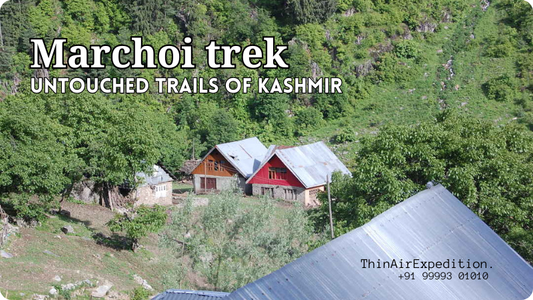
The Marchoi Trek is one of those places. Tucked away in Kashmir's quieter corners, it's the kind of trek where you might go hours without seeing another soul. Just you, endless meadows rolling into the distance, and the sound of streams cutting through alpine forests. No crowds jostling for that perfect lake photo. No line of trekkers snaking up the trail ahead.
It's raw, it's peaceful, and honestly? It's exactly what trekking in Kashmir should feel like. If you're tired of the usual circuits and want something that still feels genuinely untouched, Marchoi might just be your answer.
Where Is the Marchoi Trek Located?
Marchoi sits in the Ganderbal district, starting from near Naranag—that same base village people use for the famous Gangbal trek. But here's the thing: while most trekkers turn one way toward the sacred lakes, Marchoi goes the other direction into territory that sees maybe a tenth of the traffic.
You're looking at roughly 50 kilometers from Srinagar, maybe an hour and a half drive depending on road conditions. The access is straightforward enough, which makes it even more surprising how few people end up here.
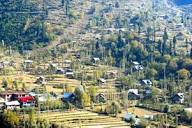
Naranag itself is worth mentioning—ancient temple ruins, clear streams, and that particular quality of light you only get in Kashmir valleys. It's a good place to spend a night before you start, let your body adjust a bit to the altitude shift from Srinagar.
Marchoi Trek Route & Itinerary Overview
The trail doesn't waste time easing you in. From Naranag, you're climbing through dense mixed forests—deodar, pine, birch—the kind where sunlight filters through in scattered beams and everything smells like earth and resin.
Day one usually takes you through these woods, crossing a few streams (sometimes on logs, sometimes just wading through), until the trees start thinning and you catch your first glimpse of the meadows ahead. That first sight always gets people. It's vast. Like someone unrolled a green carpet between the mountains and forgot to stop.
Most itineraries spread this over 3-4 days. Day two pushes deeper into the alpine zone—more meadows, bigger views, the occasional shepherd camp with smoke curling from temporary shelters. You're camping wild here, no established sites, just finding flat ground with water nearby.
The ascent is gradual, which your knees will appreciate. Nothing too brutal, just steady climbing with enough variety to keep things interesting. By day three you're at the highest point, surrounded by peaks you probably can't name but will definitely remember.
Altitude, Distance & Difficulty Level
Maximum altitude hovers around 3,000 meters—call it 9,800 feet if you think in imperial. Not Ladakh-level high, but enough that you'll feel it if you rush.
Total distance depends on your exact route, but figure somewhere between 35-40 kilometers round trip. Spread over those 3-4 days, it's manageable without being a walk in the park.
Difficulty-wise, most operators rate it easy to moderate. I'd lean toward moderate, personally. The terrain isn't technical—no scrambling or exposed ridges—but you need decent cardio fitness and some experience with multi-day treks. If you've done a few weekend treks before and can handle 5-6 hours of walking with a pack, you'll be fine.
It's actually great for families with older kids or photographers who want time to set up shots without feeling rushed. The pace is forgiving. Just don't show up completely unprepared expecting a casual stroll.
Best Time to Do the Marchoi Trek
June through September, that's your window. Come earlier and you're likely dealing with snow and swollen streams. Later and you're gambling with weather turning unpredictable.
Early summer—late May into June—has its own magic though. The meadows are insanely green, fed by all that snowmelt. Wildflowers everywhere. Water sources are abundant, maybe too abundant if there's been heavy melt, but the landscape feels alive in a way that fades by August.
July and August are peak season for a reason. Weather's most stable, temperatures comfortable—maybe 15-20°C during the day, dropping to 5-8°C at night. You'll want warm layers regardless.
September brings a different beauty. Fewer trekkers, autumn colors starting to creep in, clearer air. But weather becomes less predictable, and you need to watch forecasts more carefully.
Temperature swings are real. I've had mornings where I could see my breath and afternoons where I'm down to a t-shirt. Layer smart.
Cost of the Marchoi Trek & Inclusions
Expect to pay somewhere between ₹9,000 to ₹13,000 for an organized trek. That usually covers your meals, tents, sleeping bags if needed, guide services, and whatever permits are required.
What it doesn't cover: getting yourself to Srinagar and then to the trailhead, personal trekking gear, any accommodation before or after the trek, and tips for guides and support staff.
Compared to the bigger Kashmir treks, it's reasonable value. You're paying for a more intimate experience, smaller groups, and honestly, for access to trails that aren't overrun yet. The lower price point reflects the fact that infrastructure here is minimal—which is part of the appeal if you ask me.
Some operators offer customization. Want an extra day to explore? Usually doable. Need vegetarian meals? Not a problem. Just communicate clearly when booking.
Accommodation, Food & Facilities on the Trek
This is camping, proper camping. Tents pitched in meadows, sleeping bags laid out on whatever ground you've cleared of rocks. No lodges, no teahouses, definitely no WiFi.
Food is simple but filling—usually dal, rice, vegetables, chapati. Breakfast might be parathas or porridge. Tea is constant, which you'll appreciate. Don't expect gourmet, but I've never gone hungry on a trek in Kashmir. The cooks somehow make magic happen with limited supplies over kerosene stoves.
Network coverage? Forget about it once you leave Naranag. Occasionally you might catch a bar of signal on a ridge, but don't count on it. Which honestly is part of why this feels so restorative—you're actually disconnected.
Electricity is whatever's in your power bank. Charge everything in Srinagar. Bring a good headlamp with spare batteries.
Bathroom facilities are... nature. That's it. Dig a hole, bury it, pack out your toilet paper. If that bothers you, this might not be your trek.
Why Marchoi Trek Is Still Untouched
The honest answer? It just hasn't caught on yet. No viral Instagram posts, no Bollywood films shot here, no adventure companies heavily marketing it.
There's also some intentional preservation happening. Local communities have a say in how many groups come through, and they've kept numbers deliberately low. They've seen what happened to other valleys and aren't keen to repeat it.
For trekkers seeking solitude, this is gold. You can camp by a stream and not see another tent for kilometers. Sit with your thoughts, actually hear the silence, watch stars appear without light pollution washing them out.
But that also means you need to tread carefully. No littering, obviously. No cutting wood for fires—carry stoves. Respect shepherd camps and livestock. This place stays pristine because people treat it right. Keep it that way.
Booking the Marchoi Trek & Safety Tips
Book through registered local operators,[TTH , Thinair Expedition, Indiahikes ] preferably Kashmir-based ones who know these trails intimately. Check reviews, ask questions about group sizes and guide experience. Small operations often give you better experiences than big companies just ticking boxes.
You'll need permits, which your operator should handle, but verify that's included. Local guides aren't optional—they know weather patterns, safe water sources, and can communicate with shepherds if needed.
Safety-wise: fitness matters more than experience here. Start training a month or two before if you're not regularly active. Get comfortable with your gear—breaking in new boots on day one of a trek is asking for blisters.
Check weather forecasts before you go, but stay flexible. Mountain weather changes fast. If your guide says we're staying put because a storm's coming, listen.
Carry basic first aid, water purification, and tell someone your itinerary before you disappear into the mountains. Basic stuff, but people forget.
Conclusion: Is the Marchoi Trek Right for You?
If you're chasing Instagram fame or want creature comforts, probably not. But if you're okay with basic camping, value quiet over crowds, and want to see Kashmir in a way that's becoming increasingly rare, then yeah—definitely consider this one.
It suits people with moderate fitness, a bit of trekking experience, and genuine curiosity about places that haven't been packaged and sold to death yet. Families with adventurous kids, solo trekkers, couples wanting something memorable but not extreme—Marchoi works for all of them.
The untouched quality won't last forever. These things never do. But for now, it's still there—those meadows, those forests, that particular silence you only find when you're truly away from everything.
Go see it while it's still quiet. Just remember to leave it as you found it.
Written By:
Jagat Nath

Hotels at your convenience
Now choose your stay according to your preference. From finding a place for your dream destination or a mere weekend getaway to business accommodations or brief stay, we have got you covered. Explore hotels as per your mood.