Meghalaya’s Living Root Bridges: A Natural Wonder of Architecture
 Jafar Ahmad
18 Aug, 2025
12 mins read
130
Jafar Ahmad
18 Aug, 2025
12 mins read
130
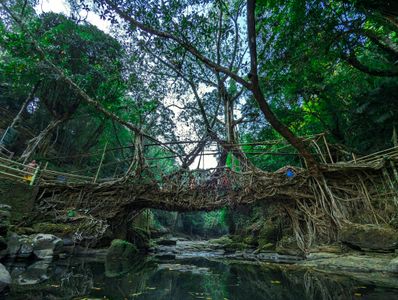
Okay, let’s get real for a second—have you ever seen a bridge literally grow out of the ground? I’m not talking about some fancy sci-fi movie scene. I’m talking about Meghalaya’s Living Root Bridges, those mind-blowing, real-life creations where nature and human creativity join forces. If you’re into travel, architecture, or just cool “how is this even possible?†moments, you’re going to love this.
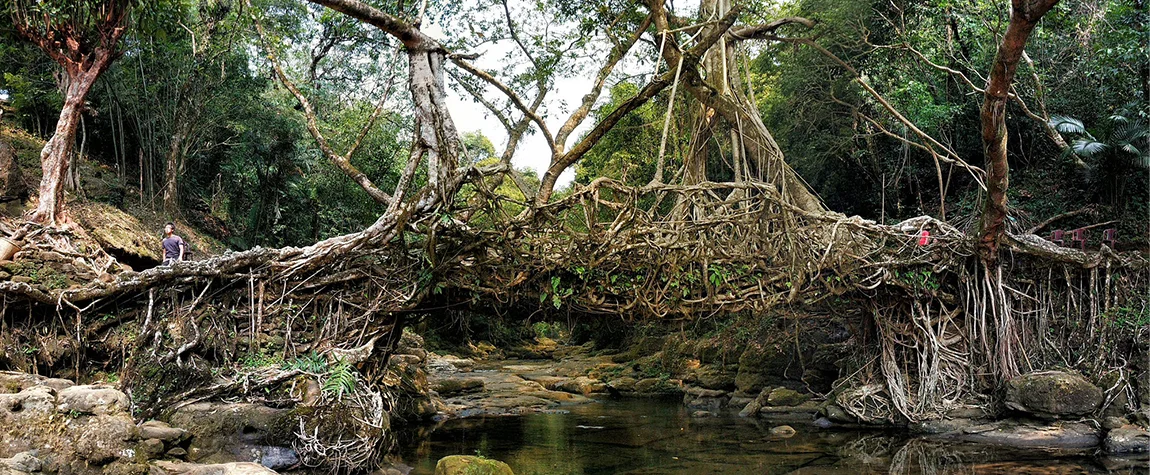
The first time I saw photos of these bridges, I thought, “Wait… people actually walk on that?†And then I saw one in person, and boom—I was sold. These aren’t your typical concrete-and-steel constructions. They’re living, breathing, green works of art built (well, grown) by the Khasi and Jaintia tribes of Meghalaya in northeast India.
So, grab your virtual backpack because we’re about to go on a journey through this natural wonder. And trust me, you’ll be Googling flight tickets by the end of this read.
Make your dream trip a reality – book our top-rated India tour packages now!
What Exactly Are Living Root Bridges?
Alright, so picture this: instead of pouring cement or welding iron, you take the aerial roots of rubber fig trees (Ficus elastica, if you want the science-y name) and guide them across rivers and streams. Over time, the roots strengthen, intertwine, and—voilà !—you’ve got a bridge.
Sounds insane, right? But here’s the kicker—these bridges can last hundreds of years. Concrete cracks, steel rusts, but these natural wonders just keep growing stronger. Honestly, Mother Nature could teach our city engineers a thing or two.
Key facts about Living Root Bridges:
- Material: Aerial roots of rubber fig trees.
- Lifespan: 100–500 years (yep, they outlive most buildings).
- Strength: They can hold the weight of 50+ people at once.
- Uniqueness: Found mostly in Meghalaya (so nope, you won’t stumble upon them in your neighborhood park).
Where Can You Find Them?
So, if you’re itching to see these marvels, where do you go? Meghalaya, of course! But to be a little more specific:
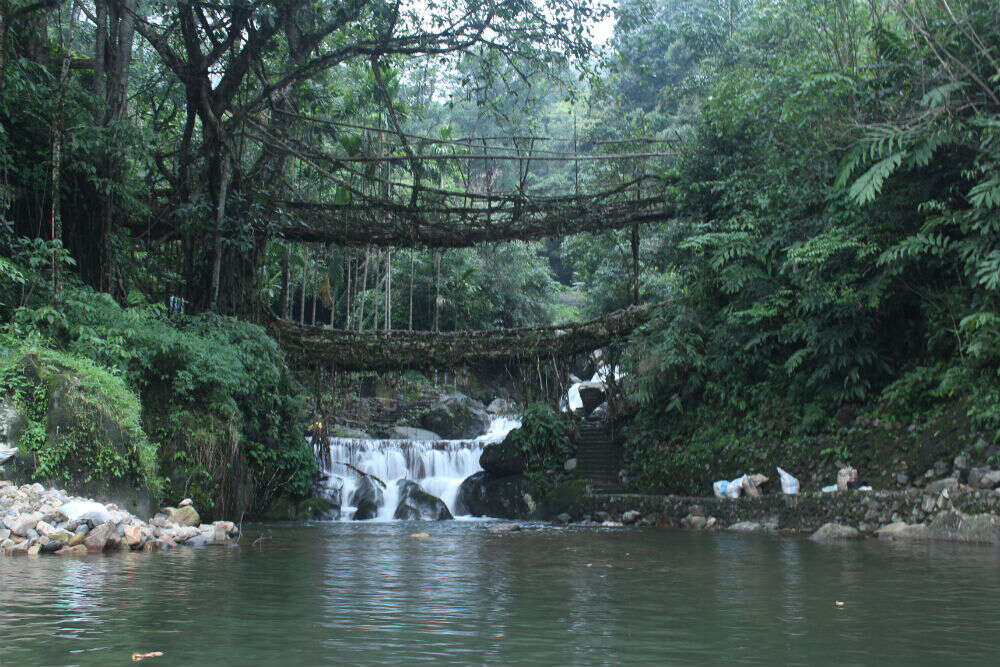
The Double-Decker Bridge in Nongriat
This is the superstar of all root bridges. It’s literally a two-level bridge made from roots, like nature’s version of a flyover. To get there, you’ll need to trek around 3,500 steps down (and yes, you’ll feel every step on the way back up). But IMO, every drop of sweat is worth it.
Other Famous Root Bridges
- Mawlynnong: Often called Asia’s cleanest village, it’s also home to a stunning root bridge.
- Riwai: A short and accessible trail makes this one great for families.
- Pynursla Region: Known for some of the longest root bridges (and fewer tourists).
Pro tip: Always ask locals for directions because half the fun is exploring trails that don’t show up on Google Maps.
How Are They Built? (Spoiler: Patience Required)
Ever tried growing a plant and got annoyed because it took months to sprout? Now imagine training tree roots for decades. That’s exactly what the Khasi and Jaintia tribes do.
Step-by-Step Magic
- They find a rubber fig tree near a river.
- They guide the roots across bamboo scaffolding or hollowed-out betel nut trunks.
- Over the years, the roots grow longer and thicker.
- Eventually, the roots connect to the opposite bank and fuse together.
- Ta-da! A bridge that keeps getting stronger every year.
The coolest part? These aren’t one-generation projects. Families pass down the work—grandparents start it, parents maintain it, and kids eventually walk on it. Talk about long-term planning!
Why Are They a Natural Wonder of Architecture?
Let’s get philosophical for a second. We often think of architecture as bricks, glass, and steel, but here, architecture is alive. These bridges blur the line between natural growth and human design.
- Eco-friendly? Check. No concrete, no pollution, just roots doing their thing.
- Durable? Definitely. The older they get, the stronger they become.
- Aesthetic? You bet. Walking on one feels like stepping into a fantasy movie set.
Tell me, isn’t that more impressive than another glass skyscraper?
The Trekking Experience
Now, let’s talk about the adventure part. Visiting these bridges isn’t like a casual stroll through the mall. It’s a legit workout.
- Nongriat Double-Decker: Around 3,500 steep steps. Expect sore calves, but also waterfalls, jungle views, and some friendly locals offering lemon water along the way.
- Weather: Meghalaya is one of the wettest places on earth. Rain is basically guaranteed, so waterproof shoes = lifesaver.
- Scenery: Think bamboo forests, crystal-clear pools, and butterflies casually photobombing your selfies.
And hey, if you’re someone who counts “Instagrammable spots†as a deciding factor for trips—yeah, you’ll have plenty.
Responsible Tourism: Don’t Be That Person
Quick rant—these root bridges are ancient, fragile ecosystems. So if you go (and I really hope you do), please don’t carve your initials into the roots or toss plastic bottles in the rivers. The locals treat these bridges with deep respect, and as visitors, we should too.
Here are some quick do’s and don’ts:
- Do: Carry reusable water bottles.
- Do: Hire local guides (they know the best routes and stories).
- Don’t: Step on delicate roots or pull on them.
- Don’t: Litter (seriously, just don’t).
When’s the Best Time to Visit?
- Winter (Nov–Feb): Perfect weather, clear skies, cool trekking conditions.
- Monsoon (June–Sept): Lush greenery, roaring waterfalls, but slippery trails (also, leeches… yikes).
- Spring (Mar–May): Warmer, less crowded, still beautiful.
IMO, winter’s your best bet if you want to trek without slipping around like a cartoon character.
Why You Should Add It to Your Bucket List
Let’s be honest—you can visit a mall or a theme park anytime. But how often can you walk on a bridge that’s alive? Meghalaya’s Living Root Bridges aren’t just travel spots; they’re life lessons in patience, sustainability, and creativity.
They show us that you don’t need machines to create something strong and beautiful. You just need time, care, and a little bit of stubbornness (something the locals clearly have in abundance).
Conclusion
So, there you have it—Meghalaya’s Living Root Bridges: a natural wonder of architecture that’s equal parts jaw-dropping and humbling. They’re not just bridges; they’re proof of what happens when humans work with nature instead of bulldozing through it.
If you’re planning a trip to India, don’t skip Meghalaya. Pack good shoes, a rain jacket, and a healthy sense of wonder. And when you finally set foot on one of those root bridges, pause for a second. Look down, smile, and think, ‘Wow… nature and humans really nailed it this time.’ For a seamless journey, trust The Best Travel Agency in Oman to make your adventure unforgettable.
And hey, don’t forget to snap a photo—but maybe keep one memory just for yourself. After all, not everything needs to go on Instagram… right?
Written By:
Jafar Ahmad

Hotels at your convenience
Now choose your stay according to your preference. From finding a place for your dream destination or a mere weekend getaway to business accommodations or brief stay, we have got you covered. Explore hotels as per your mood.