Mekong Delta Magic: A Journey Through Vietnam’s Floating World
 Palakshi Meharwal
10 Sep, 2025
8 mins read
53
Palakshi Meharwal
10 Sep, 2025
8 mins read
53
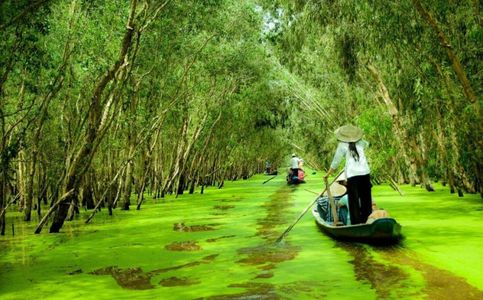
The Mekong Delta, often referred to as Vietnam’s “rice bowl,†is more than just a fertile agricultural hub—it is a living tapestry of waterways, vibrant markets, and cultural traditions shaped by the mighty Mekong River. Stretching across 40,000 square kilometers in southern Vietnam, this region offers travelers an experience unlike anywhere else in the world: a chance to step into a floating world where daily life unfolds on the water.
A Region Shaped by the River
The Mekong River originates in the Tibetan Plateau and flows through six countries before reaching Vietnam, where it splits into nine distributaries. These rivers nourish the delta, making it one of the most fertile regions on Earth. Rice paddies, coconut groves, and lush orchards dominate the landscape, while fishing villages and stilt houses line the banks.
Beyond its natural abundance, the river has defined the cultural fabric of the region. Communities here rely on boats not only for transportation but also for trade, social gatherings, and even religious ceremonies. This seamless integration of land and water is what makes the Mekong Delta so captivating to travelers.
Floating Markets: The Beating Heart of the Delta
The most iconic feature of the Mekong Delta Tour is its floating markets. Cai Rang in Can Tho, Phong Dien, and Cai Be are among the most popular. Here, hundreds of boats converge at dawn, laden with fruits, vegetables, and freshly prepared dishes. Vendors display their goods by hanging samples from long poles, making it easy for buyers to spot what’s for sale.
For visitors, floating markets are not just a place to shop but also a glimpse into the region’s vibrant daily life. Sipping a hot cup of Vietnamese coffee while drifting past boats piled high with pineapples, melons, or dragon fruit is an unforgettable experience.
Beyond the Markets: Exploring Hidden Charms
While the markets often take the spotlight, the Mekong Delta has far more to offer:
- Village Life: Cycling through narrow lanes shaded by coconut palms reveals a slower pace of life. Families welcome guests with home-cooked meals, and traditional crafts such as mat weaving or coconut candy making are still practiced.
- Pagodas and Temples: The region is dotted with Khmer-influenced temples and ornate pagodas that reflect its multicultural heritage. Tra Vinh and Soc Trang are particularly known for their spiritual architecture.
- Eco-Tourism: With its diverse ecosystem, the delta is home to bird sanctuaries such as Tra Su Cajuput Forest and U Minh Thuong National Park, ideal for nature enthusiasts.
Culinary Delights of the Delta
Food in the Mekong Delta is as diverse as its waterways. Thanks to the abundance of fresh produce and fish, the cuisine is rich in flavor and variety. Signature dishes include hu tieu (a flavorful noodle soup), banh xeo (crispy savory pancakes), and grilled river fish wrapped in banana leaves. Street food stalls along riverbanks serve snacks like rice paper rolls and tropical fruits that taste best when eaten fresh.
Best Time to Visit
The Mekong Delta has a tropical climate, with two main seasons: wet (May–October) and dry (November–April). The dry season is generally preferred for travel, as river conditions are calmer and excursions are more comfortable. However, the wet season brings its own charm, with lush greenery and an abundance of fruits at the markets.
Tips for Travelers
- Stay Overnight: Consider spending a night in a homestay to experience local hospitality. Many families open their homes to travelers, offering authentic meals and stories about life on the delta.
- Travel by Boat: Small sampan rides allow deeper exploration of canals that larger boats cannot access.
- Respect Local Customs: The Mekong Delta is deeply traditional. Dress modestly when visiting temples and be mindful of local etiquette.
Why the Mekong Delta Matters
Beyond its scenic beauty, the Mekong Delta is vital to Vietnam’s economy and culture. It produces more than half of the country’s rice and a significant share of its fruit exports. Yet, it also faces challenges from climate change and rising sea levels, which threaten the livelihoods of millions. Visiting the delta is not only a chance to experience its magic but also to support communities working to preserve their way of life.
Conclusion
A journey through the Mekong Delta is more than just sightseeing—it is an immersion into Vietnam’s floating world, where life moves at the rhythm of the river. From bustling floating markets to tranquil canals and homegrown hospitality, every corner of the delta tells a story. For travelers seeking authenticity, cultural richness, and natural beauty, the Mekong Delta remains one of Southeast Asia’s most enchanting destinations.
Written By:
Palakshi Meharwal

Hotels at your convenience
Now choose your stay according to your preference. From finding a place for your dream destination or a mere weekend getaway to business accommodations or brief stay, we have got you covered. Explore hotels as per your mood.