Mekong Delta Moments: Journey Through Vietnam’s Waterways
 Palakshi Meharwal
29 Sep, 2025
11 mins read
71
Palakshi Meharwal
29 Sep, 2025
11 mins read
71
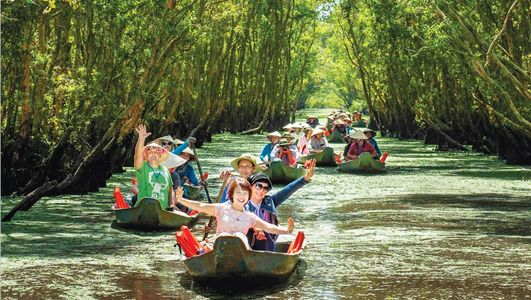
The Mekong Delta, often referred to as the “Rice Bowl†of Vietnam, is a vast network of rivers, swamps, and islands that spans southern Vietnam. Its intricate waterways have shaped not only the local economy but also the culture, cuisine, and daily life of its inhabitants. A journey through the Mekong Delta is not just a sightseeing trip—it is a voyage into a world where water dictates life, and tradition flows as freely as the rivers themselves.
A Landscape Like No Other
The Mekong Delta spans over 39,000 square kilometers, supporting a population that relies heavily on its fertile lands and abundant waterways. Rice paddies stretch as far as the eye can see, while fruit orchards laden with mangoes, durians, and longans hint at the region’s agricultural bounty. Small canals branch out from larger rivers, creating a labyrinth of navigable routes that connect bustling towns, floating markets, and serene villages.
The landscape is ever-changing. During the dry season, the water levels recede, revealing muddy banks dotted with fishing villages and lotus ponds. In the rainy season, the rivers swell, transforming roads into waterways and giving the Delta a floating charm that can be mesmerizing to first-time visitors. Every twist and turn of the Mekong’s tributaries offers new sights: stilt houses perched above the water, fishermen casting nets with practiced precision, and lush greenery that seems to go on forever.
Floating Markets: Life on Water
One of the Mekong Delta’s most iconic attractions is its floating markets, where commerce happens entirely on the river. The Cai Rang and Phong Dien markets in Can Tho province are among the most famous, drawing both locals and tourists eager to witness this vibrant spectacle.
Imagine waking before sunrise to the soft mist rising from the water, stepping aboard a small boat, and gliding toward the market. Vendors, perched in their boats, display heaps of tropical fruits, vegetables, and other goods on long poles that signal the type of product they sell. A swirl of colors, sounds, and aromas fills the air as boat after boat negotiates the busy waterways. These markets are more than just shopping hubs—they are a social and cultural experience, offering a glimpse into the daily rhythm of Delta life.
Village Life and Traditions
Beyond the markets, life in the Mekong Delta flows at a slower, more contemplative pace. Villages are typically small, with homes built on stilts to withstand the seasonal floods. Locals rely on fishing, rice farming, and fruit cultivation, and many families have been doing so for generations. Visitors often have the chance to experience traditional handicrafts like mat weaving, coconut candy making, or fishing with local methods such as casting nets from bamboo rafts.
Cycling through narrow village paths lined with coconut trees, observing the daily routines of children going to school and elders tending to their gardens, offers an intimate look at life away from the urban hustle. Homestays allow travelers to experience the warmth of local hospitality firsthand. Sharing meals of freshly caught fish, river prawns, and regional specialties such as banh xeo (Vietnamese savory pancakes) creates memories that linger long after leaving the Delta.
The Mekong’s Natural Wonders
The Mekong Delta is not just about human activity—it is also a haven for biodiversity. The rivers teem with fish, and the banks are home to various bird species, including herons, kingfishers, and egrets. Mangrove forests along the edges of the Delta serve as vital ecosystems, supporting wildlife and protecting the land from erosion.
For eco-tourists, guided boat tours through the smaller canals and tributaries offer encounters with these natural wonders. Some tours include visits to local fish farms or traditional rice paddies, highlighting sustainable practices that have been passed down through generations. Observing the interplay of water, wildlife, and human ingenuity in such a dynamic environment leaves travelers with a deeper appreciation for the delicate balance that sustains this region.
Culinary Delights of the Delta
No journey through the Mekong Delta is complete without tasting its distinctive cuisine. Rice and freshwater fish dominate most meals, with regional specialties that celebrate the freshness of local ingredients. The Delta is famous for its tropical fruits, often eaten at their peak of ripeness—juicy dragon fruit, fragrant rambutans, and sweet mangosteens.
Restaurants and street vendors alike serve dishes that reflect the region’s identity. A popular dish, hu tieu, is a flavorful noodle soup that can be enjoyed for breakfast or dinner, while grilled fish wrapped in banana leaves offers a smoky, aromatic taste of the river’s bounty. Fruit gardens and orchards often allow visitors to pick their own produce, making dining here a sensory experience that goes beyond the plate.
Experiencing the Mekong by Boat
Traveling by boat is the heart of the Mekong Delta experience. Longboats and small wooden vessels navigate canals, connecting towns and villages while offering unparalleled views of the Delta’s beauty. Sunset cruises are particularly magical, painting the sky in shades of orange and pink while reflecting off the gentle waves. Nighttime river tours reveal a different rhythm of life—quiet waters punctuated by the soft glow of lanterns and the distant calls of nocturnal wildlife.
For adventurous travelers, multi-day cruises allow deeper exploration, including overnight stays in riverside lodges or floating homes. This slower pace ensures time to absorb the Delta’s subtleties: the gentle sway of the boat, the sound of water lapping against the hull, and the ever-changing panorama of rice fields and waterways.
Connecting with the Culture
A journey through the Mekong Delta is as much about culture as it is about scenery. Festivals, religious sites, and local customs are woven into the fabric of daily life. Visiting temples, pagodas, and community centers offers insight into the spiritual and social lives of the locals. Traditional music performances, often featuring instruments unique to the Delta, bring a sense of rhythm and storytelling to the experience.
Learning a few Vietnamese phrases, engaging with local artisans, and participating in communal activities enriches the journey, making it personal and memorable. The Delta is a place where curiosity is rewarded, and every interaction opens a door to understanding a way of life intimately connected to the waterways.
Planning Your Mekong Delta Adventure
The best time to visit the Mekong Delta is between December and April, during the dry season when the weather is pleasant and the rivers are easier to navigate. Major entry points include Can Tho, My Tho, and Chau Doc, each offering unique experiences and excursions. While organized tours provide convenience, independent travelers can also rent boats or bicycles to explore at their own pace.
Accommodation ranges from budget homestays to riverside resorts, catering to different preferences and budgets. Local guides are invaluable for understanding the intricate network of canals and ensuring safe and enriching experiences, especially in remote areas.
Conclusion
The Mekong Delta is more than a destination—it is an immersion into a way of life shaped by water, tradition, and nature. From bustling floating markets to serene canals, from fertile rice fields to lush fruit orchards, every moment in the Delta tells a story of resilience, creativity, and harmony with the environment.
Travelers who venture here leave with more than just photographs; they carry with them memories of laughter on a boat, the taste of tropical fruits plucked fresh from orchards, the sight of the sun setting over endless waterways, and the warmth of a culture that thrives in harmony with nature. The Mekong Delta is a journey not just through Vietnam’s landscapes, but through its heart and soul—a truly unforgettable adventure through Vietnam’s waterways.
Written By:
Palakshi Meharwal

Hotels at your convenience
Now choose your stay according to your preference. From finding a place for your dream destination or a mere weekend getaway to business accommodations or brief stay, we have got you covered. Explore hotels as per your mood.