Mirrors in the Sand: Reflections of Modern Dubai
 Mosim Khokhar
20 Nov, 2025
10 mins read
78
Mosim Khokhar
20 Nov, 2025
10 mins read
78
A City That Reflects Its Dreams
In the middle of the vast Arabian Desert lies a city that seems to shimmer like a mirage - a place where glass towers meet golden dunes, and innovation meets tradition. This is Dubai, a city often called the “Jewel of the Gulf” for its unmatched transformation from a humble fishing village into a global metropolis. The story of Dubai is more than one of economic success; it is about vision, ambition, and resilience. Over just a few decades, the city has turned its sandy landscape into a playground for architecture, culture, and technology. The theme “Mirrors in the Sand” perfectly describes how modern Dubai reflects its past while shaping a bright, futuristic identity. Understanding this balance helps us see how Dubai became one of the most influential cities in the world today.
1. The Transformation of Dubai: From Desert to Dream City
Dubai’s rise is one of the most remarkable urban transformations in history. In the early 20th century, the economy was based mainly on fishing and pearl diving. The discovery of oil in the 1960s changed everything, fueling development and modernization. However, Dubai’s leaders knew that oil would not last forever. Sheikh Rashid bin Saeed Al Maktoum and his successors invested heavily in trade, tourism, and technology to diversify the economy.
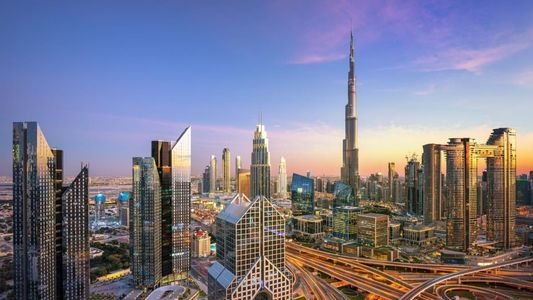
Today, Dubai’s skyline features wonders like the Burj Khalifa, the world’s tallest building, and Palm Jumeirah, a man-made island shaped like a palm tree — both symbols of human imagination and innovation. These creations are not just engineering achievements; they represent Dubai’s determination to stand out as a beacon of progress in the Middle East.
2. Gateway to Opportunity: Dubai Visa for Gabon Citizens
Dubai attracts people from every corner of the globe - tourists, entrepreneurs, and dreamers alike. For Gabon citizens, getting a Dubai Visa for Gabon Citizens opens the door to endless opportunities. Dubai’s visa system is known for being efficient, flexible, and welcoming to visitors who wish to explore business, education, or leisure options in the city.
Gabonese travelers can experience Dubai’s unique blend of luxury and culture — from the futuristic Dubai Mall to the historic Al Fahidi District, where narrow lanes tell stories of old Arabia. Many also visit Dubai for business, as it serves as a bridge between Africa, Europe, and Asia. The visa allows Gabon citizens to engage in trade fairs, attend conferences, or explore investment opportunities in sectors like real estate, tourism, and renewable energy.
By making international travel smoother, Dubai strengthens its reputation as a global city — one that values openness and cooperation.
3. Connecting Continents: Dubai Visa for Gambia The Citizens
Similarly, the Dubai Visa for Gambia The Citizens enables travelers from Gambia to experience the beauty and opportunities of this desert metropolis. The visa process is designed to make entry simple and accessible for genuine visitors. Gambian citizens often travel to Dubai for tourism, shopping festivals, and educational pursuits.
For instance, Dubai’s universities, such as the University of Dubai and Heriot-Watt University Dubai, offer world-class education that attracts students from across Africa, including Gambia. Business-minded individuals from Gambia also find Dubai appealing because of its free trade zones, tax benefits, and world-class infrastructure.
This international connectivity reflects how Dubai functions as a “mirror” — reflecting the dreams and ambitions of people worldwide while offering them a chance to grow and succeed.
4. Architectural Wonders: Modern Reflections of Vision
Dubai’s skyline serves as a visual metaphor for human progress. Every building tells a story. The Burj Khalifa reflects ambition. The Museum of the Future reflects innovation. The Dubai Frame literally captures the contrast between the old and new — one side shows the traditional city, while the other reveals the modern skyline.
Urban planners in Dubai follow the concept of sustainable urbanism, which combines modern technology with environmental awareness. The city has invested in solar power, green architecture, and smart city projects. For example, Sustainable City, located near Arabian Ranches, is an eco-friendly residential area that uses renewable energy and recycles waste. This reflects Dubai’s growing concern for environmental balance amid rapid growth.
5. Culture and Heritage: Holding onto the Past
Despite its futuristic image, Dubai continues to honor its cultural roots. Traditional souks (markets) like Gold Souk and Spice Souk remain popular, offering glimpses of old Arabian life. Emirati festivals such as National Day and Dubai Shopping Festival bring together citizens and expatriates in celebration of the city’s diverse identity.
This balance between past and present makes Dubai unique. The desert, once a symbol of emptiness, now mirrors progress, while still whispering stories of Bedouin traditions, camel caravans, and ancient hospitality.
6. Dubai as a Reflection of Globalization
Dubai’s success is deeply tied to globalization — the process that connects economies and cultures across the world. More than 85% of Dubai’s population consists of expatriates, creating a truly multicultural society. You can hear dozens of languages in a single marketplace, see cuisines from every continent, and attend international events like Expo 2020 Dubai, which showcased innovation from over 190 countries.
Dubai’s ability to adapt and welcome people from diverse backgrounds makes it a “mirror” of global diversity and cooperation.
Conclusion: Reflections of a Modern Marvel
“Mirrors in the Sand” perfectly symbolizes what Dubai stands for today — a city that reflects human ambition, creativity, and resilience. From desert sands to futuristic skylines, Dubai’s journey shows that vision and determination can transform even the harshest landscapes into thriving hubs of opportunity. Through its architecture, culture, and international openness, Dubai continues to inspire nations and individuals alike. It is not just a city; it is a living reflection of modern progress — a true mirror in the sand.
FAQs
1. Why is Dubai called “Mirrors in the Sand”?
Because the city reflects both its traditional desert heritage and its modern, futuristic identity — like a mirror shining in the sand.
2. What makes Dubai an important global city?
Dubai is a center for business, tourism, and innovation, connecting Asia, Africa, and Europe through trade, travel, and culture.
3. How can Gabon or Gambia citizens visit Dubai?
They can apply for a Dubai Visa for Gabon Citizens or Dubai Visa for Gambia The Citizens online or through authorized travel agencies, depending on their purpose of visit.
4. What are Dubai’s famous attractions?
The Burj Khalifa, Palm Jumeirah, Dubai Mall, Desert Safari, and Museum of the Future are some of the must-visit sites.
5. Is Dubai focused on sustainability?
Yes, Dubai invests heavily in renewable energy, green buildings, and eco-friendly urban planning to ensure a sustainable future.
Written By:
Mosim Khokhar

Hotels at your convenience
Now choose your stay according to your preference. From finding a place for your dream destination or a mere weekend getaway to business accommodations or brief stay, we have got you covered. Explore hotels as per your mood.