Morocco Visa for Costa Rican Citizens
 Andrew Oliver
06 Nov, 2025
26 mins read
272
Andrew Oliver
06 Nov, 2025
26 mins read
272
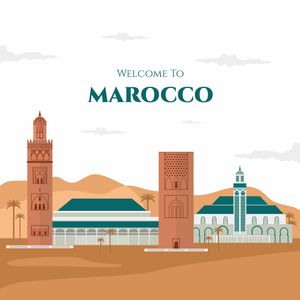
Dreaming of the bustling souks of Marrakech, the blue-washed streets of Chefchaouen, or the vast, starry skies of the Sahara Desert? Morocco offers a sensory feast unlike anywhere else on earth. For travelers from Costa Rica, this dream is now more accessible than ever, thanks to the introduction of the Moroccan e-Visa.
Gone are the days of complex embassy visits. The new electronic system streamlines the process, but it has one crucial requirement that many travelers overlook.
This guide will walk you through every step of the Morocco e-Visa application for Costa Rican citizens, from eligibility and required documents to processing times and common pitfalls. We'll answer all the "People Also Ask" queries to ensure you are fully prepared for your North African adventure.
Do Costa Rican Citizens Need a Visa for Morocco?
Yes, Costa Rican passport holders are required to obtain a visa to enter the Kingdom of Morocco for any purpose, including tourism or business.
The great news is that Costa Rica is on the list of countries eligible for the electronic visa (e-Visa). This means you can complete your entire application online from the comfort of your home, without needing to submit your passport to an embassy or consulate, provided you meet one key condition.
Are You Eligible for Morocco e-Visa?
This is the most critical step. While Costa Ricans can apply, the Moroccan e-Visa system is primarily designed for travelers who already hold a valid, high-value visa or residence permit from another "trusted" country.
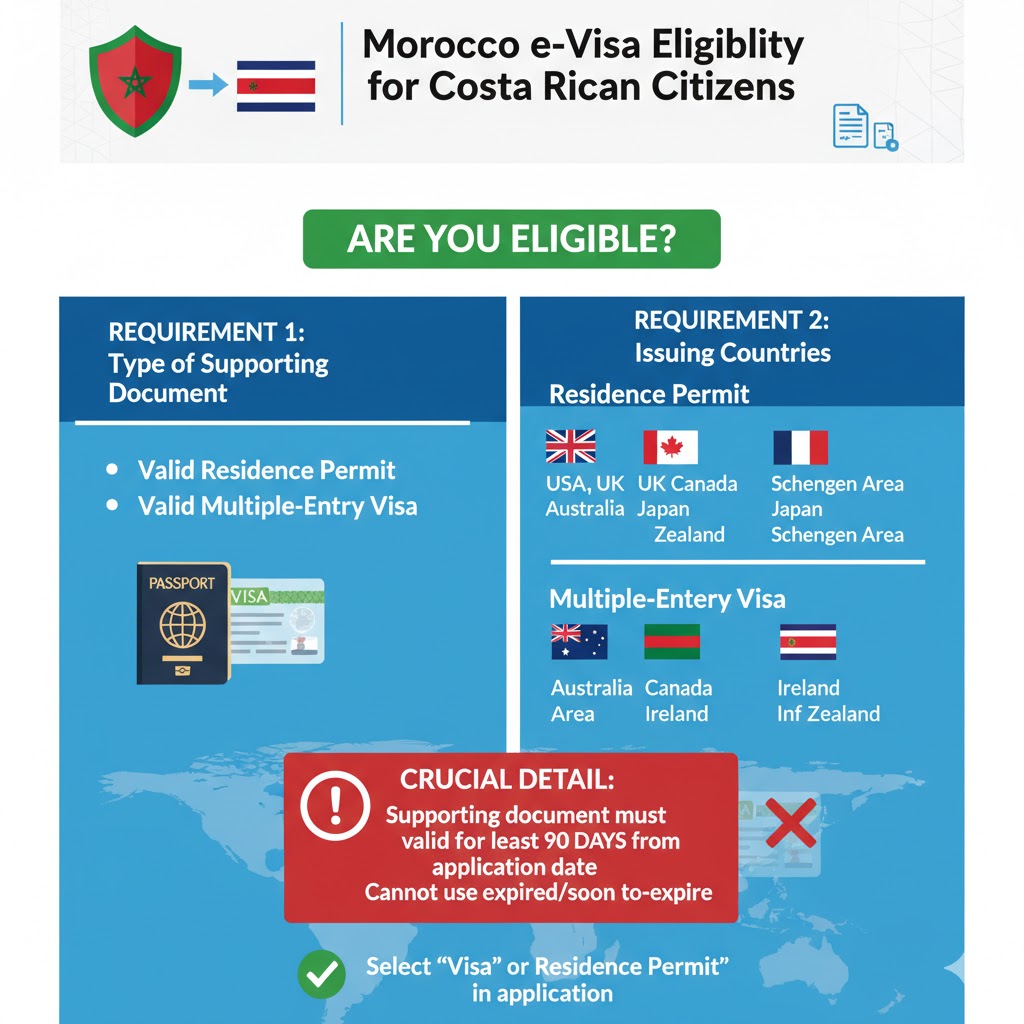
Based on the official requirements, to be eligible for Morocco e-Visa, Costa Rican citizens must hold one of the following:
- A valid residence permit from a "high-issuance" country, such as the USA, UK, Canada, Australia, Japan, New Zealand, or any Schengen Area member state.
- A valid multiple-entry visa from the USA, UK, Schengen Area, Australia, Canada, Ireland, or New Zealand.
As seen in the application, you will be required to select your "Type of Supporting Doc." Your options will be "Visa" or "Residence Permit."
Crucial Detail: The supporting visa or residence permit you provide must be valid for at least 90 days from the date you submit your Morocco e-Visa application. You cannot use an expired visa or one that is about to expire.
If you do not have one of these supporting documents, you are not eligible for the e-Visa and must apply for a traditional sticker visa at the nearest Moroccan embassy or consulate.
What Documents Do I Need to Apply for the Morocco e-Visa from Costa Rica?
Once you've confirmed your eligibility, gathering your documents is simple. The entire Morocco Visa Requirement is digital, so you will need high-quality scans or digital photos of the following:
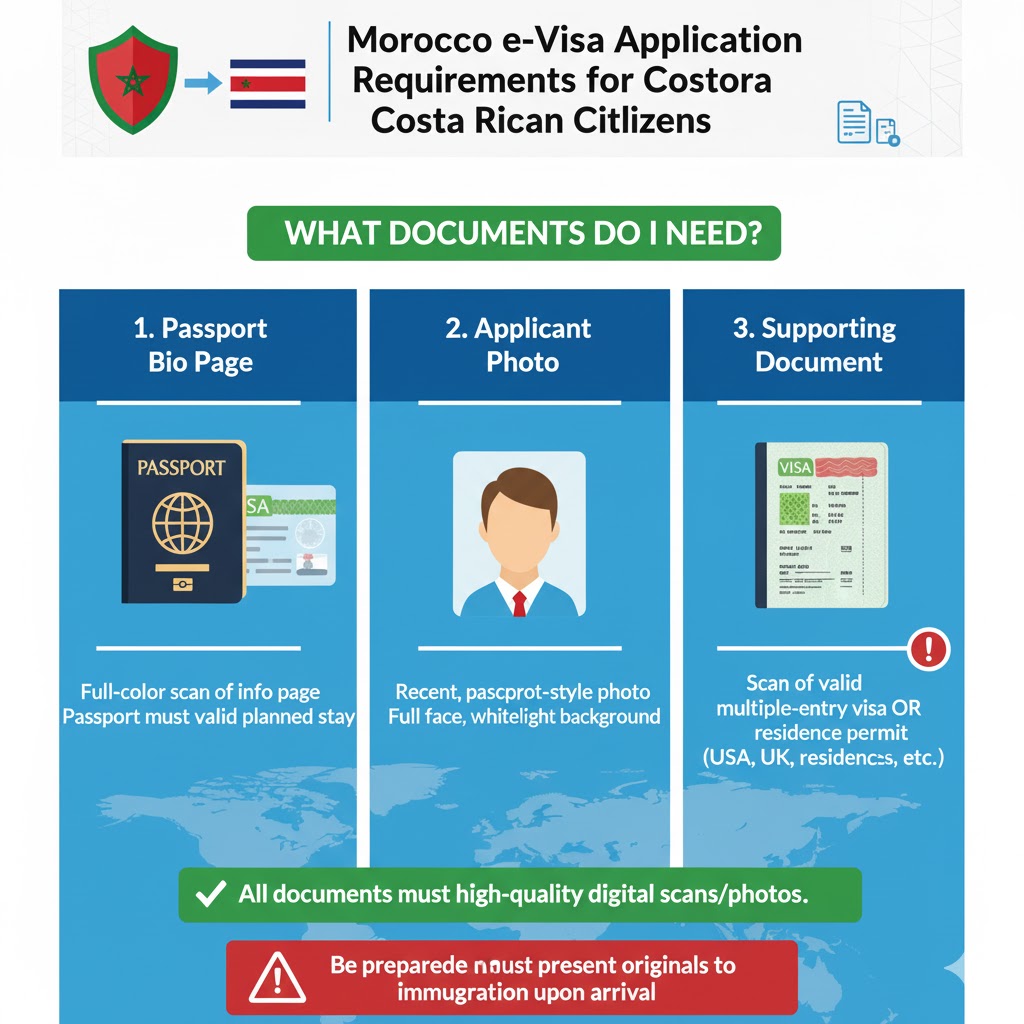
- Passport Bio Page: A clear, full-color scan of the main information page of your Costa Rican passport. Your passport must be valid for at least the entire period you plan to stay in the country.
- Applicant Photo: A recent, passport-style color photograph. It should have a white or light-colored background and show your full face.
- Supporting Document: A scan of your valid multiple-entry visa or residence permit (as discussed above). This is the "Supporting Doc - Valid Multiple-Entry Visa" field. While you only need to upload these three items, the application's final declaration page makes it clear what you are certifying you have for your trip. Be prepared to present these to immigration upon arrival:
How to Apply for a Moroccan Visa from Costa Rican Citizens?
The online application is straightforward. Here’s a simple breakdown of the process:
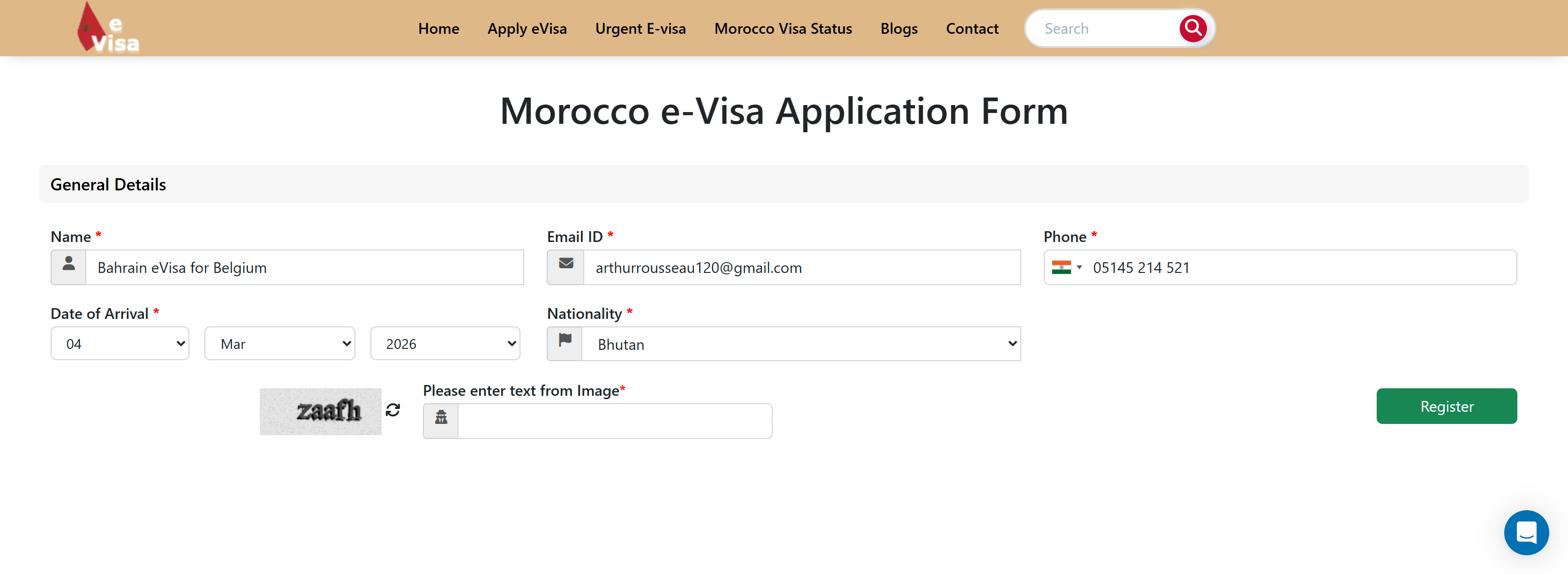
- Fill Out the Application: You will start by selecting your visa type. As shown in the screenshot, your main options will be:
- Tourist eVisa - 180 days, Single entry
- Business eVisa - 180 Days, Single entry
- Upload Your Documents: Attach the digital copies of your passport, photo, and supporting visa/residence permit.
- Certify Your Information: You will be presented with a list of declarations. This is a legally binding part of your application. You must agree that:
- Your request is non-refundable, even if refused.
- All information is accurate, and any error will lead to refusal.
- You have a valid passport, hotel reservation, return ticket, and sufficient funds (70 EUR/day).
- Pay the Visa Fee: Pay the e-Visa fee using a valid credit or debit card.
- Wait for Processing: You will receive a confirmation email. The e-Visa, once approved, will be emailed to you as a PDF.
How Long Does the Morocco e-Visa Processing Take?
One of the biggest advantages of the e-Visa system is the speed. Unlike traditional visas that can take weeks, the e-Visa offers tiered processing for applicants who need it quickly.
You can select your processing time based on your urgency:
- Super Rush Processing: 1 - 2 Days
- Rush Processing: 2 - 4 Days
- Normal Processing: 3 - 6 Days
It is always recommended to apply with "Normal Processing" at least one to two weeks before your flight to avoid any last-minute stress or potential delays.
"What Happens if My e-Visa is Refused?"
This is a common and valid concern. The two most common reasons for refusal are directly mentioned in the application's declaration:
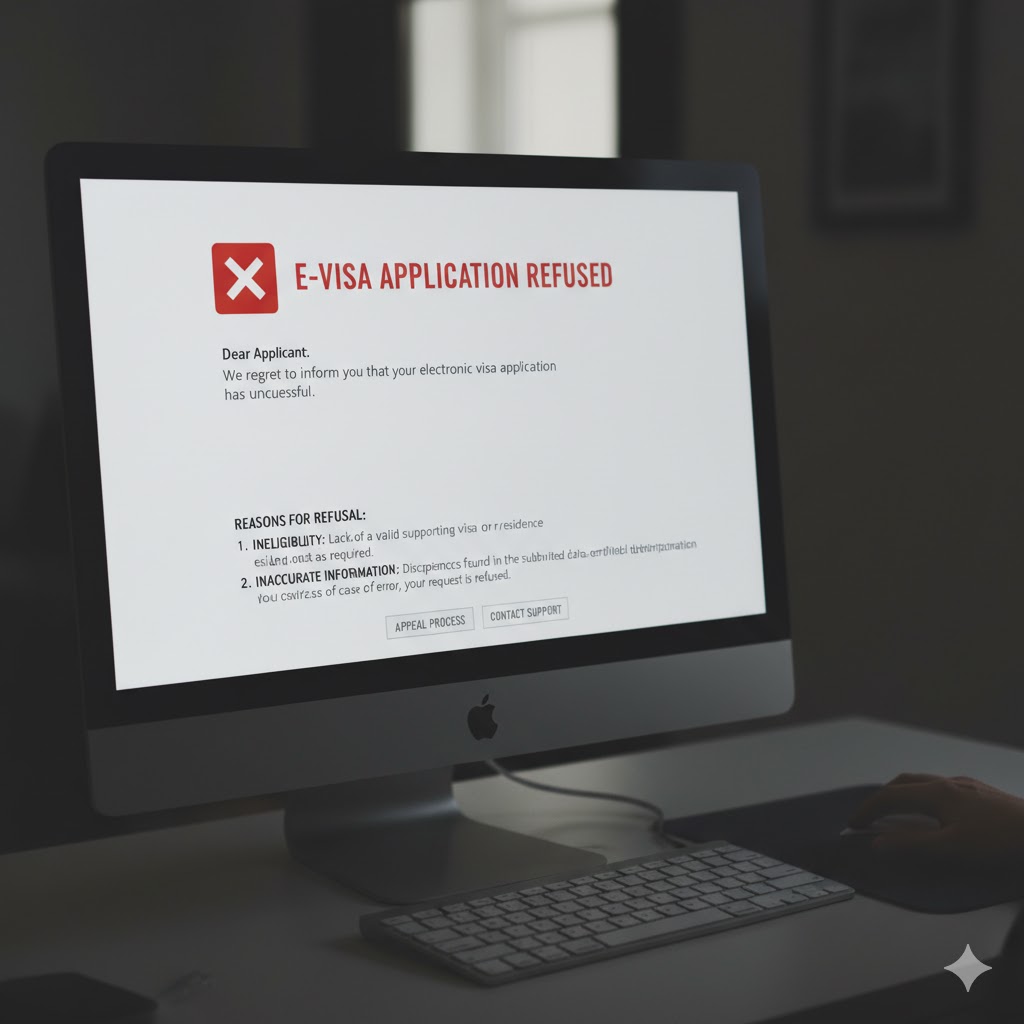
- Ineligibility: You applied but did not have a valid supporting visa or residence permit.
- Inaccurate Information: You made a mistake. The application explicitly states, "I certify the accuracy of the information provided, in case of error my request will be refused."
There is no room for error. Double-check every detail: your name spelling, passport number, and dates must exactly match your documents. A simple typo can lead to a refusal and the loss of your application fee.
180 Days Validity vs. 30 Days Stay: A Critical Distinction
This is a point of major confusion for many travelers.
Your e-Visa (both Tourist and Business) is listed as "180 days, Single entry." This does NOT mean you can stay in Morocco for 180 days.
- Validity (180 Days): This is the window you have to use your visa. You can enter Morocco on any single day within that 6-month period.
- Duration of Stay (30 Days): Once you enter Morocco, your e-Visa allows you to stay for a maximum of 30 days.
If you wish to stay longer, you would need to apply for a visa extension after you have arrived in Morocco, which is a separate and more complex process.
Do I Need a Transit Visa for a Layover in Morocco?
This is a critical question, and the answer depends entirely on your flight itinerary.
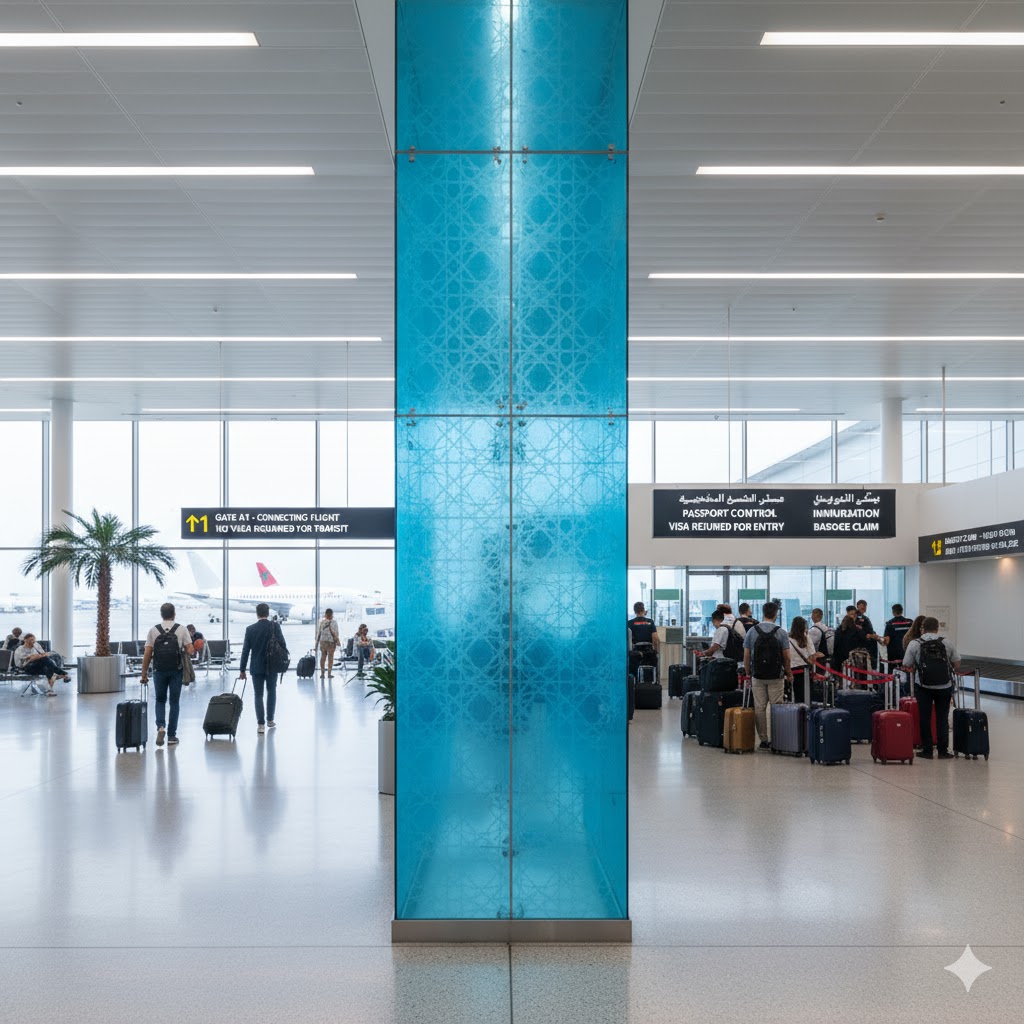
- If you stay in the international transit zone: If your layover is short and you do not leave the international transit area of the airport, you do not need a visa. This is called "airside" transit. This only works if your luggage is checked through to your final destination and you already have your boarding pass for your next flight.
- If you must leave the international transit zone: You will need a visa if you plan to:
- Go through immigration to collect your baggage and re-check it.
- Change to a different, unconnected flight.
- Leave the airport to explore the city during a long layover.
As a Costa Rican citizen, you are not eligible for a visa-on-arrival. Therefore, if you plan to leave the transit area, your safest and easiest option is to apply for the regular Tourist e-Visa (as described in this guide) before your trip. This will give you the flexibility to pass through immigration without any issues.
Can a 17-Year-Old Travel to Morocco Alone?
Yes, a 17-year-old (or any minor) can technically travel to Morocco alone, but it requires significant extra documentation. Moroccan authorities and airlines are very strict about preventing child trafficking.
If you are 17, or you are a parent of a minor traveling alone, you must have the following:
- Valid Passport: This is standard for all travelers.
- Notarized Letter of Consent: This is the most important document. It must be a formal letter, signed by both parents or legal guardians, authorizing the minor to travel to Morocco alone.
- Supporting Documents: The letter should be accompanied by copies of both parents' passports or ID cards and a copy of the minor's birth certificate to prove the relationship.
Pro Tip: It is highly recommended to have this letter of consent translated into French or Arabic, though English is often accepted. Always check with your airline and the nearest Moroccan embassy before booking, as they may have additional specific requirements.
Staying Connected: eSIM vs. Local SIM Card in Morocco
You have two excellent options for using your phone in Morocco.
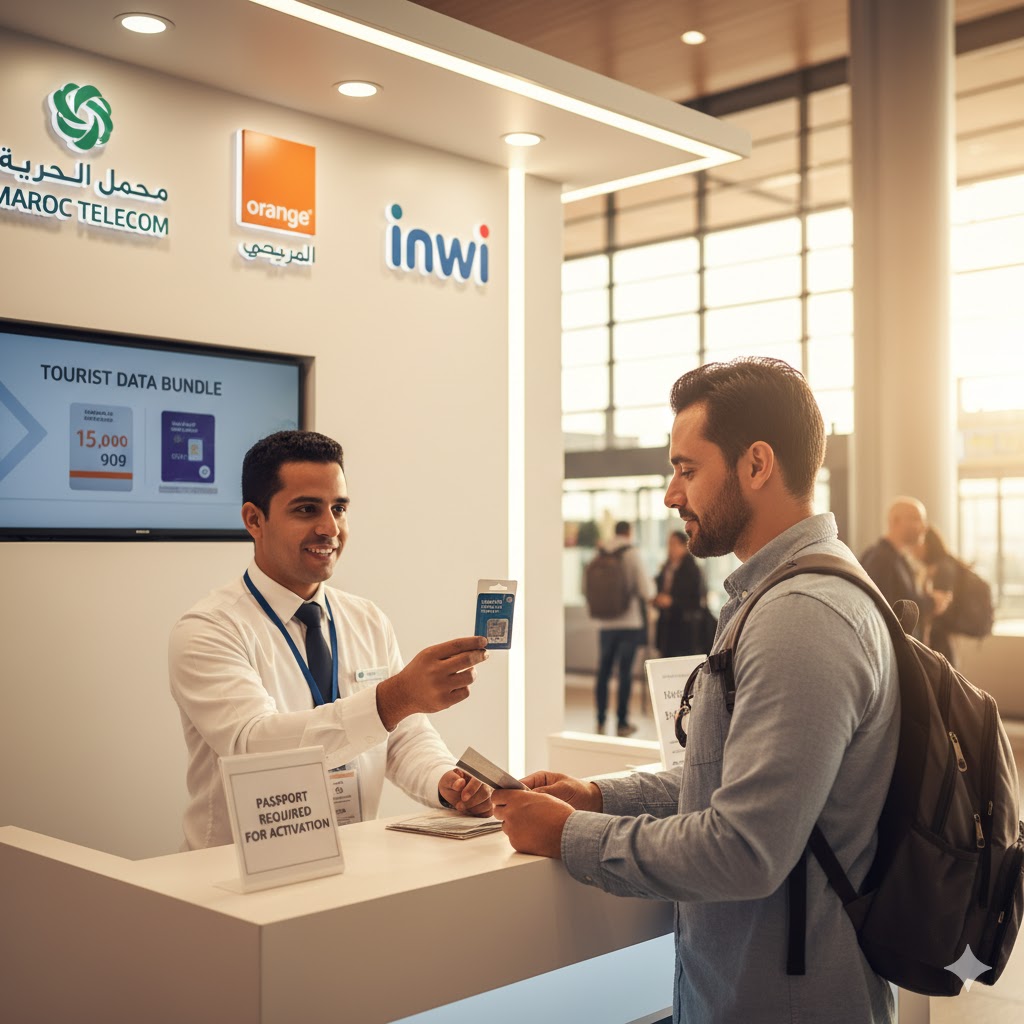
- eSIM (The "Easy" Option): This is the most convenient choice. Before you even leave Costa Rica, you can purchase a data-only eSIM for Morocco from providers like Airalo, Holafly, or Ubigi. You can install it on your phone and activate it the moment you land. This is perfect for ordering a ride-share from the airport or navigating to your hotel.
- Local SIM Card (The "Cheap" Option): This is the most cost-effective option, especially for longer trips or if you need heavy data. Upon arriving at any major Moroccan airport (like Marrakech or Casablanca), you can buy a prepaid SIM card directly from the official kiosks for Maroc Telecom, Orange, or Inwi. You will need your passport to register the SIM. These providers often have "tourist" plans with a good bundle of data for a low price.
Money Matters: Currency Exchange and Using Cash
Here is your financial plan for Morocco, as this is a common point of confusion for new visitors.
- Currency: The local currency is the Moroccan Dirham (MAD). It is a "closed currency," meaning it's illegal to take large amounts in or out of the country. You must get your Dirhams after you arrive in Morocco.
- Exchanging Money: Do not exchange money at your home airport. The rates are terrible. The best options are:
- ATMs: The easiest and most reliable method. ATMs are plentiful in all cities. Inform your bank in Costa Rica of your travel dates. You will get a good exchange rate, but be mindful of a small local ATM fee and any fees your own bank charges.
- Bureau de Change: These are official, private money-exchange offices. They offer very competitive rates, often better than banks. You'll find many in tourist areas.
- Cash is King: While major hotels and high-end restaurants will accept credit cards (Visa/Mastercard), Morocco is a cash-based society. You will need cash for taxis, shopping in the souks, small cafes, and paying for entrance fees. Always have a good amount of Dirhams on you.
Getting Around: Renting a Bike or Car
Renting a vehicle is a fantastic way to see the country, but you must be prepared.
- Age: The legal driving age is 18, but almost all rental companies will require you to be at least 21 years old (and often 25) to rent a car. Drivers under 25 will almost certainly pay a "young driver" surcharge.
- Required Documents: To rent a car or scooter, you will need:
- Your valid passport.
- A credit card in your name for the security deposit (they will place a large hold).
- Your valid driver's license from Costa Rica (held for at least one year).
- International Driving Permit (IDP): While not always legally required if your license is in English/French, it is highly recommended. Many rental agencies and police checkpoints will ask for it. Getting an IDP in Costa Rica before you leave is a small cost that can save you a huge hassle.
- Safety Note: Be prepared for frequent police checkpoints on major roads (they are polite—just have your papers ready). Avoid driving at night outside of major cities, as roads can be poorly lit and animals may be present.
People Also Ask: Morocco e-Visa FAQ
Q: What if I’m a Costa Rican citizen without a US, UK, or Schengen visa?
A: You are not eligible for the e-Visa. You must apply for a traditional tourist visa through the Moroccan Embassy or Consulate accredited to Costa Rica.
Q: Does the e-Visa guarantee I will be allowed into Morocco?
A: No. The e-Visa is an authorization to travel. The final decision to grant you entry rests with the immigration officers at the airport in Morocco. They will check your e-Visa, passport, and may ask to see your return ticket, hotel booking, or proof of funds.
Q: Can I work in Morocco on a Business e-Visa?
A: No. The "Business e-Visa" is for short-term business activities like attending meetings, conferences, or exploring investment opportunities. It does not permit you to be employed by a Moroccan company.
Q: Do I need to print my e-Visa?
A: Yes, absolutely. You should print a clear, color copy of your e-Visa and keep it with your passport at all times.
Your Moroccan Journey Starts Here
For Costa Rican citizens holding a valid US, UK, or Schengen-area visa, the Morocco e-Visa system is a game-changer. It’s fast, efficient, and unlocks the door to an unforgettable country.
By ensuring you meet the eligibility criteria, meticulously checking your documents, and understanding the difference between validity and stay, your application process will be smooth and successful. Get ready to sip mint tea, haggle for spices, and create memories that will last a lifetime.
Written By:
Andrew Oliver

Hotels at your convenience
Now choose your stay according to your preference. From finding a place for your dream destination or a mere weekend getaway to business accommodations or brief stay, we have got you covered. Explore hotels as per your mood.