Most Beautiful Historical Sites in Iran
 Sara Saroshk
18 Feb, 2026
9 mins read
100
Sara Saroshk
18 Feb, 2026
9 mins read
100
Iran doesn’t ease you into its history. It drops you straight into it. One minute you’re sipping tea in a quiet courtyard, the next you’re standing under tilework so detailed it feels unreal. This isn’t a country where historical sites are fenced off and sterilized. They’re lived in, walked through, argued about, prayed in.
I’ve traveled across Iran with first-time visitors and seasoned travelers alike, and the reaction is usually the same: surprise at how present the past feels. Not preserved behind glass. Just there.
If you’re drawn to architecture, ancient cities, and places that reward slow looking, Iran delivers—quietly but consistently. Some travelers experience these sites through carefully planned Iran luxury holiday experiences, others independently. Either way, the beauty is not subtle.
Here are the historical sites that genuinely stay with you, along with a few honest notes most guides won’t mention.
Persepolis: The Silence Is the Point
Persepolis is Iran’s most famous ruin, and yes, it lives up to the reputation. But not for the reasons people expect.
It’s not about scale alone. It’s about restraint.
You walk through massive stone staircases carved with delegations from across an empire—each figure calm, dignified, equal. No dramatic poses. No chaos. Just order.
Most people rush this site, snapping photos and moving on. That’s a mistake. Sit for ten minutes. Watch the light change on the stone. Listen to how quiet it is, even with visitors around. Persepolis isn’t loud history. It’s confident history.
Go early morning or late afternoon. Midday heat flattens the experience.
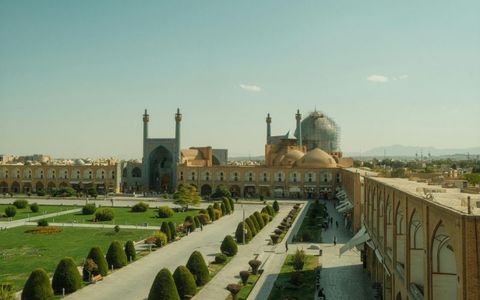
Isfahan’s Naqsh-e Jahan Square: Beauty with a Pulse
Naqsh-e Jahan Square in Isfahan doesn’t feel like a monument. It feels like a living room.
Kids play football. Couples stroll. Old men argue about politics on benches. And all of this unfolds inside one of the most harmonious architectural spaces in the world.
The mosques here—especially Shah Mosque—are masterpieces of proportion and color. Step inside, speak softly, and hear your voice echo back perfectly. That acoustics trick still catches people off guard.
Most people miss this: come back after sunset. The square changes personality. Softer light. Fewer tour groups. More locals. It’s when the place feels most honest.
Yazd: History Made of Mud and Wind
Yazd doesn’t try to impress you immediately. It grows on you.
The old town is a maze of adobe walls, narrow alleys, and windcatchers designed centuries ago to cool homes naturally. Walk without a map. Get lost on purpose. You’ll find quiet courtyards, rooftop cafés, and unexpected viewpoints.
Yazd is also the heart of Zoroastrian heritage. The Towers of Silence sit just outside the city, stark and haunting against the desert.
This is where trips often go wrong: people visit Yazd too quickly. One night isn’t enough. The city reveals itself in the early morning, when the streets are empty and the call to prayer drifts over clay rooftops.
Shiraz: Poetry, Gardens, and Gentle Evenings
Shiraz feels softer than other Iranian cities. More relaxed. More reflective.
The Nasir al-Mulk Mosque, known as the Pink Mosque, is famous for its stained glass. Yes, it’s beautiful. But go early—very early. Once crowds arrive, the calm disappears.
Equally important are the gardens. Eram Garden, for example, isn’t about rare plants. It’s about balance. Water, shade, symmetry. Locals come here to slow down, not to photograph.
In the evenings, Shiraz shines. Tea, conversation, poetry recited casually in public spaces. It’s a city that invites you to linger.
Golestan Palace: A Different Side of Tehran
Many travelers dismiss Tehran, which is unfair. Yes, it’s busy. Yes, it’s chaotic. But Golestan Palace offers a window into Iran’s more recent past.
Mirrored halls, colorful tiles, and a blend of Persian and European styles make this palace feel intimate rather than overwhelming.
It’s also a reminder that Iran’s history didn’t stop in ancient times. Modern layers matter here.
Visit in the morning before the crowds. And don’t rush the smaller buildings—some of the best details hide there.
Tabriz Bazaar: History That Still Works
Tabriz Historic Bazaar Complex is not a museum. It’s a functioning commercial center that happens to be centuries old.
Carpets are still traded. Spices still piled high. Conversations still echo through brick corridors designed long before electricity.
This is one of my favorite places to observe daily life. Sit with a tea vendor. Watch deals unfold slowly. Notice how space is used. It’s history doing its job.
Most travelers walk through too fast. Don’t.
Final Thoughts: Why Iran’s Historical Sites Feel Different
Iran’s beauty isn’t curated for visitors. That’s what makes it powerful.
You’re not separated from history—you move through it alongside people living their normal lives. That creates moments you can’t plan. Conversations. Invitations. Quiet reflections.
If you’re willing to slow down, look closely, and accept a little unpredictability, Iran rewards you deeply. Whether you travel independently or through thoughtfully designed Iran luxury holiday experiences, the real value comes from engagement, not itinerary density.
Choose fewer sites. Spend more time. Let places speak.
That’s when Iran stays with you.
FAQs: Visiting Historical Sites in Iran
1. Is Iran safe for travelers interested in historical sites?
Yes. Sites are well-managed, and locals are welcoming. Normal travel awareness applies.
2. Do I need a guide to visit these places?
Not always, but good guides add cultural context that signs don’t provide.
3. What’s the best time of year to visit Iran?
Spring and autumn offer the most comfortable weather for sightseeing.
4. Are dress codes strict at historical sites?
Modest dress is required, especially for women. It’s manageable and expected.
5. Can I photograph historical sites freely?
Mostly yes, though some interiors may restrict photography.
6. How much time should I allow for major sites like Persepolis?
At least two to three hours. Rushing undermines the experience.
7. What’s the biggest mistake travelers make in Iran?
Trying to see too much too fast. Slow travel works best here.
Written By:
Sara Saroshk

Hotels at your convenience
Now choose your stay according to your preference. From finding a place for your dream destination or a mere weekend getaway to business accommodations or brief stay, we have got you covered. Explore hotels as per your mood.