My Real Experience With Netravati Trek
 Manish Choudhary
13 Feb, 2026
10 mins read
168
Manish Choudhary
13 Feb, 2026
10 mins read
168
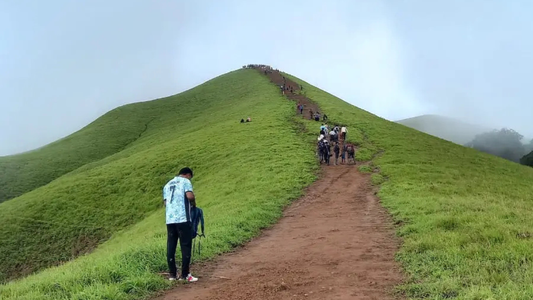
The Netravati Peak trek provides a perfect escape from both Bangalore's noisy traffic and your constant laptop work. The trek, which connects to Kudremukh National Park, runs through the western Karnataka region, which includes the Western Ghats as its main natural feature. The area presents its own distinct beauty, which includes green hills that roll across the landscape, clouds that travel with you, and an empty hiking path.
The complete guide provides information about every aspect of your expenses, which will include your food expenses and your methods for controlling leech encounters.
What is the Netravati Trek?
Netravati Peak exists within the Dakshina Kannada area of Belthangady taluk. The mountain belongs to the Kudremukh National Park system. The peak rises to a height of 1,520 meters above sea level. The trek becomes exceptional through its multiple paths. The hike leads you through two distinct environments, which transform from dark jungles to bright meadows that resemble cinematic landscapes. The trek requires moderate physical fitness because it requires some effort to complete but does not need advanced athletic skills.
The Detailed Budget Breakdown
Budgeting actual expenses requires you to establish your financial goals. The following expenses will occur during a two-day vacation from Bangalore, which requires two days to complete.
Travel costs between Bangalore and Kalasa on an AC sleeper bus range from ₹700 to ₹900 for a single trip.
Stay: A decent homestay in Samse or Kalasa will charge you around ₹1,500 per night, including three home-cooked meals.
Jeep Hire: The forest base is about 10-12 km from the main road. The 4x4 Jeep rental, which includes a complete round trip from the base, costs ₹1,500. The total cost per person drops to ₹250 when six individuals share the expenses.
The Forest Department requires a fee of approximately ₹500 for each visitor, which covers both the entrance charge and the need for a guide. Total The cost of this trip will remain below ₹4500.
How to Reach the Base
The most popular way to reach it is via Kalasa. By bus, passengers can board a KSRTC or private bus, which operates during the night from Bangalore Majestic or Satellite Bus Stand. The bus will arrive in Kalasa between 5:00 and 6:00 AM. By Private Car The drive from Bangalore takes 7 to 8 hours to reach your destination. Your vehicle should not be driven to the forest base camp. The roads have become unmaintained, which makes them difficult to navigate. You should park your vehicle at the homestay and then take a local Jeep to your destination.
The Food Situation
Netravati has established a strict regulation that requires visitors to bring their own food. The trekking path lacks any shops or tea stalls or residential buildings. Morning The breakfast menu at most homestays offers Neer Dosa and Puliogare to their guests. You should eat until you reach a satisfactory level but stop before you reach maximum capacity.
Lunch The homestay should provide you with a "trek lunch," which you can request for your outing. The standard box lunch contains either lemon rice or curd rice. The meal offers a light option that remains fresh despite warm weather conditions.
Snacks You should bring snacks that function as energy boosters, such as dates, peanuts, and dark chocolate. You should not eat salty chips because they increase your thirst.
Water: The Gift of the Mountains
Netravati provides one major benefit because visitors do not need to transport 5 liters of water. You should bring two 1-liter bottles. The climbing path leads to small streams that emerge from the rocks. The water that comes from this source has exceptional purity and cold temperature and provides safe drinking water. All trekkers should experience the process of refilling their water bottles from mountain streams.
Dealing with the "Leech Boss"
Traveling from June until October will result in leech encounters. The creatures cause no harm yet create an irritating experience.
The Sock Trick: Use extended football socks to secure your trekking pants through sock tucking.
The Spray: The small spray bottle contains either saltwater or Dettol. The leech will detach from your shoe after you spray it once. Leeches will find you when you stand still in wet locations. You must keep your body in motion.
The Trail Experience
The trek requires 12 kilometers to complete a round trip.
Phase 1: The first 2 kilometers lead through a Shola Forest, which protects its dark, cool, and silent environment.
Phase 2: You exit the trees and see the "False Peak." Many people think they have reached the top, but there's more!
Phase 3: The ridge walk. The best part of the route exists here. You walk on a narrow path with deep green valleys on both sides. You will see only white mist when clouds cover the ground.
Mobile Network and Connectivity
Google Maps will not function properly after you leave Kalasa. The internet will not work even though Airtel and Jio show one bar of signal. This situation provides hidden advantages. Take screenshots of your booking details or maps before you start. Your phone should function as a camera to preserve battery power.
Rules and Ethics
The Forest Department enforces strict rules regarding two items, which include plastic items and specific times of operation. You cannot start the trek after 10:30 AM. You must return to the base camp before 5:00 PM. Littering can result in a fine. Responsible travelers should not litter.
Frequently Asked Questions (FAQs)
Do I need to be a pro trekker?
The ability to walk for two hours through a park without experiencing breathlessness enables you to complete the Netravati hike, which requires more mental endurance than physical power.
Can I trek during the peak monsoon?
The most beautiful time to see the area occurs during peak monsoon. The complete wetness of your body will wet your body from head to toe. The top view shows only "white clouds," but the rain journey creates a magical experience.
Are there any stay options at the base?
The base area only contains a forest office. The nearest stays are in Samse village or Kalasa.
Is there an ATM nearby?
Kalasa town has 2-3 ATMs. The ATMs run out of cash during weekends, which creates problems for users. It is essential to bring a minimum of ₹3,000 cash when traveling from Bangalore.
Can I see wild animals?
The forest provides a habitat for wildlife, but gaurs and deer keep their distance from the trekking path. The area contains colorful birds and butterflies, yet there are no large predators that pose danger to you.
Is a guide mandatory?
The trail entrance requires visitors to obtain a local guide from the forest office. They keep the trail clean while preventing people from becoming lost in the misty conditions.
Can I go solo?
The Kalasa area allows solo travelers, while the trek requires you to join a group or use a guide. The trek provides a safe environment for female travelers who want to hike alone.
What is the permit cost?
The entry fee fluctuates throughout the year, yet it remains around ₹500. The price includes both your entry fee and the guide service.
Are there toilets on the trail?
The starting point at the Forest Office provides the only toilet facilities. The mountain has no toilet facilities.
Why is it called Netravati?
The Netravati River, which serves as the main water source for the Dakshina Kannada region, starts from the peak.
Written By:
Manish Choudhary

Hotels at your convenience
Now choose your stay according to your preference. From finding a place for your dream destination or a mere weekend getaway to business accommodations or brief stay, we have got you covered. Explore hotels as per your mood.