Nag Tibba Trek in Winter: Best Weekend Trek for Snow Lovers
 Deepanshu Negi
22 Dec, 2025
11 mins read
256
Deepanshu Negi
22 Dec, 2025
11 mins read
256
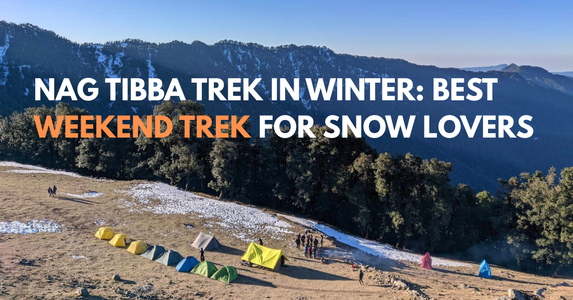
Winter trekking in Uttarakhand does not always mean long leaves, high altitude stress, or extreme conditions. Some trails offer snow, views, and peace without pushing your limits. The Nag Tibba Trek in winter is one of those rare routes.
Located close to Mussoorie, Nag Tibba is often called the perfect weekend trek for snow lovers. It suits beginners, works well in winter, and still delivers proper Himalayan views. You get snow under your boots, forests around you, and a summit that feels rewarding without exhaustion.
If you want a short winter trek that feels real, not rushed, Nag Tibba deserves your attention.
Where Is Nag Tibba Trek Located?
Nag Tibba lies in the Garhwal region of Uttarakhand, around 90 km from Dehradun. The trek starts from Pantwari village, a small mountain settlement surrounded by terraced fields and forests.
The summit stands at an altitude of around 9,915 feet. That height makes it high enough to receive snowfall in winter but safe enough for first-time trekkers.
Nag Tibba also forms part of the Nag Tibba Range, which sits between the Yamuna and Tons river valleys.
Why Nag Tibba Trek Is Perfect in Winter
Winter transforms this trail completely. The forests turn quiet, the path gets covered in snow, and the air feels sharper and cleaner.
Here is why winter suits Nag Tibba so well:
- The altitude supports snowfall without extreme cold
- The trail stays accessible even in peak winter months
- The trek duration fits into a weekend
- Forest cover protects trekkers from harsh winds
- The summit offers clear Himalayan views in winter skies
Unlike many winter treks, Nag Tibba does not demand prior snow trekking experience. With proper gear and guidance, beginners can complete it safely.
Best Time to Do Nag Tibba Trek in Winter
The winter season for Nag Tibba usually starts in late December and lasts till February.
December
Late December marks the beginning of snowfall. You may see fresh snow near the summit and campsites. Weather stays cold but manageable.
January
January offers the best snow experience. Forest trails, camps, and the summit often remain snow covered. Nights feel colder, but days stay pleasant under sunlight.
February
February brings melting snow at lower sections. Higher points still hold snow. This month suits trekkers who want snow with slightly warmer conditions.
Avoid trekking during heavy snowfall alerts, as road access and trail safety depend on weather conditions.
Nag Tibba Trek Distance and Duration
Nag Tibba is a short and well-planned trek, making it ideal for weekends.
- Total distance: Around 17-18 km (round trip)
- Duration: 2 days
- Summit day trek: 4-5 hours ascent
Most itineraries include one night of camping near the summit or forest clearing.
Nag Tibba Trek Difficulty Level in Winter
Nag Tibba Trek in winter falls under the easy to moderate category.
The trail includes gradual climbs, forest walks, and short steep sections near the summit. Snow increases effort, but it does not make the trek technical.
Who can do this trek?
- First-time trekkers with basic fitness
- Weekend travelers looking for snow
- Families with teenagers
- People trying winter trekking for the first time
Regular walking, light jogging, or stair climbing for two weeks is enough preparation.
Trail Experience: What You See on the Way
Forest Section
The trek passes through dense oak and rhododendron forests. In winter, snow settles on branches, creating postcard-like scenery. The silence here feels special.
Open Clearings
You cross open meadows where campsites are usually set. These areas receive direct sunlight during the day and offer beautiful sunset views.
Summit Push
The final stretch feels steeper but short. Snow often covers this section, making it exciting rather than tiring.
Summit Views
On a clear winter day, you can see:
- Bandarpoonch range
- Swargarohini peaks
- Kala Nag peak
- Gangotri range
The view alone makes the climb worth it.
Snow Experience on Nag Tibba Trek
Snow on Nag Tibba is natural and seasonal, not artificial or forced.
In peak winter:
- Forest trails turn white
- Campsites remain snow covered
- Summit offers panoramic snow views
Unlike high-altitude treks, snow here feels friendly, not overwhelming. You learn how to walk on snow without struggling for breath.
Camping Experience in Winter
Camping is one of the highlights of Nag Tibba in winter.
You usually camp:
- In forest clearings
- Near the summit area
Winter camps include proper tents, sleeping bags, and hot meals. Nights get cold, but clear skies and mountain silence make the experience memorable.
Morning views with sunlight hitting snow feel unreal.
What to Pack for Nag Tibba Winter Trek
Packing right makes winter trekking comfortable and safe.
Clothing
- Thermal base layers
- Fleece or insulated jacket
- Waterproof outer jacket
- Trek pants
- Woollen cap and gloves
Footwear
- Waterproof trekking shoes
- Extra woollen socks
Essentials
- Sunglasses (snow glare is real)
- Sunscreen and lip balm
- Reusable water bottle
- Headlamp or torch
Avoid carrying unnecessary items. Light backpacks help on snow trails.
Safety and Weather Considerations
Winter trekking needs awareness, not fear.
- Check weather forecasts before starting
- Follow local forest and trekking guidelines
- Trek with experienced guides or registered operators
- Avoid solo trekking in winter
- Stay hydrated even in cold weather
Responsible trekking protects both trekkers and the trail.
How to Reach Nag Tibba Trek Base
Step 1: Reach Dehradun
Dehradun connects well by train and road from major cities.
Step 2: Dehradun to Pantwari
Pantwari village is around 4-5 hours from Dehradun by road. Shared taxis and private vehicles are available.
Most trekking groups arrange transport from Dehradun for convenience.
Why Nag Tibba Is Better Than Many Winter Weekend Treks
Many winter treks promise snow but fail to deliver balance. Nag Tibba gets the basics right.
- Short duration
- Reliable winter snow
- Beginner friendly trail
- Real Himalayan views
- Easy accessibility
It offers an honest mountain experience without exaggeration.
Responsible Trekking on Nag Tibba Trail
Nag Tibba lies in an eco-sensitive zone. Trekkers must respect the environment.
- Carry back all waste
- Avoid loud music
- Stick to marked trails
- Respect local culture and beliefs
The trek also holds local religious importance linked to Nag Devta, which locals deeply respect.
Is Nag Tibba Trek Worth Doing in Winter?
Yes, if you want snow without stress.
Nag Tibba Trek in winter gives you:
- Snow under your boots
- Quiet forest trails
- Clear mountain views
- A refreshing weekend escape
It does not try to be extreme. It focuses on being real, scenic, and achievable.
For snow lovers short on time, Nag Tibba remains one of the best winter trekking choices in Uttarakhand.
Final Thoughts
Not every trek needs to be long or tough to feel meaningful. Some trails win because they keep things simple.
Nag Tibba Trek in winter proves that you can experience snow, mountains, and adventure in just a weekend. With proper planning, right gear, and respect for nature, this trek delivers exactly what it promises.
If you want your first winter trek to feel safe, scenic, and satisfying, Nag Tibba is a smart choice.
Written By:
Deepanshu Negi

Hotels at your convenience
Now choose your stay according to your preference. From finding a place for your dream destination or a mere weekend getaway to business accommodations or brief stay, we have got you covered. Explore hotels as per your mood.