Neighborhood Lens: How Mumbai’s Monsoon Floods Affect Local Areas Differently
 Hazel Janner
21 Aug, 2025
6 mins read
63
Hazel Janner
21 Aug, 2025
6 mins read
63
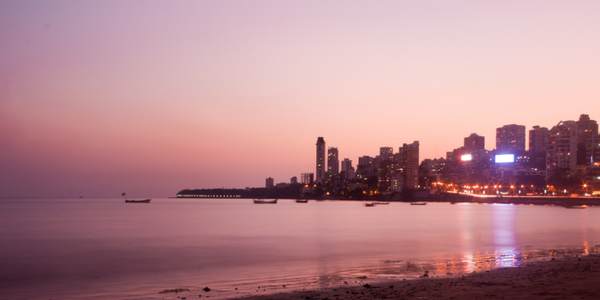
Mumbai isn’t uniform—it’s a patchwork of coastal zones, inland suburbs, and high-rise districts. When extreme rainfall alerts hit alongside a 4.27-metre high tide, some neighborhoods face immediate waterlogging, while others see a slower rise of floodwaters. Understanding local vulnerabilities can help residents plan daily activities, protect property, and navigate the city safely.
Coastal Wards: Rapid Water Rise
Areas like Colaba, Marine Lines, and parts of Worli are directly exposed to the sea. When tides peak, even moderate rainfall can flood streets within hours. Residents in these wards often report submerged footpaths, knee-deep water on main roads, and temporary disruption of shops and markets. Small local businesses along the coast are particularly vulnerable, as water enters basements or storage areas.
For commuters, coastal neighborhoods can be treacherous. Local train news often reports delays near stations located close to creeks or waterfronts. Even walking short distances becomes challenging without waterproof footwear.
Inland Suburbs: Slower but Persistent Flooding
Suburban neighborhoods like Borivali, Kandivali, and Chembur are farther from the coastline, but waterlogging is still a concern. The drainage system in these areas works, but the combination of prolonged rainfall and blocked storm drains can leave streets submerged for hours. Roads near markets and bus stops are especially affected, slowing commutes and deliveries.
Families living in ground-floor apartments need to be cautious. Even a few inches of water can damage furniture, electronics, or daily essentials. Residents often share tips among neighbors to elevate valuables and clear drains before heavy showers hit.
High-Rise Challenges
You might assume that high-rise buildings are immune to flooding—but here’s the twist: basements, parking lots, and service areas can still accumulate water, especially during peak tides. Elevators may stop working temporarily, and deliveries of groceries or packages can get delayed. Residents on higher floors are advised to monitor water seepage in lower areas and avoid using elevators during heavy rainfall, just to be safe.
Also Read- Mumbai Weather Alert: Extreme Rainfall & 4.27-Metre High Tide Expected Soon
Community Preparedness
Neighborhood committees and residents’ associations play a critical role. In flood-prone wards, volunteers often help place sandbags at vulnerable entrances, assist elderly neighbors, and coordinate with BMC Mumbai teams for quick drainage solutions. Local communities that plan ahead usually fare better during high tide and heavy rainfall events.
Even simple actions, like ensuring that storm drains are free of leaves and trash, can make a huge difference in how quickly water clears after a downpour. Awareness campaigns and WhatsApp groups are increasingly used to share alerts and updates among neighbors.
Real-Life Scenario
Imagine Chembur on a rainy afternoon. Streets are already wet from morning showers. A peak tide pushes water back into the storm drains, flooding several main roads. Commuters find themselves wading through ankle-deep water, while shops along the street keep shutters halfway open to prevent water from entering. Residents with children or elderly family members coordinate to stay indoors until the water recedes.
In such moments, knowing your neighborhood’s drainage tendencies, high tide timings, and areas prone to flooding can save time, stress, and even property damage.
Advice for Residents
- Track Local Alerts: Follow Mumbai news today for neighborhood-specific updates.
- Prepare Essentials: Keep bottled water, dry clothes, and emergency kits handy.
- Assist Vulnerable Neighbors: Help elderly or disabled residents navigate flooded streets.
- Monitor Infrastructure: Report blocked drains or water-logging hotspots to authorities.
- Plan Travel Carefully: Avoid routes known to flood, especially during high tide windows.
By understanding which areas are more vulnerable, Mumbaikars can anticipate challenges and take proactive measures rather than reacting after the fact.
Looking Ahead
The lessons from previous monsoon seasons are clear: awareness, community coordination, and timely action are key to minimizing the impact of extreme rainfall alerts and high tides. While infrastructure upgrades and BMC initiatives help, neighborhood-level preparedness often makes the difference between manageable inconvenience and serious disruption.
Even within a single ward, conditions can vary street by street. Residents who understand local drainage, waterlogging tendencies, and tidal effects are in a much better position to navigate daily life during peak monsoon events.
Written By:
Hazel Janner

Hotels at your convenience
Now choose your stay according to your preference. From finding a place for your dream destination or a mere weekend getaway to business accommodations or brief stay, we have got you covered. Explore hotels as per your mood.