Nepal Beyond the Famous Treks: Finding Quieter Paths in the Himalayas
 Amir Adhikari
09 Jan, 2026
6 mins read
124
Amir Adhikari
09 Jan, 2026
6 mins read
124
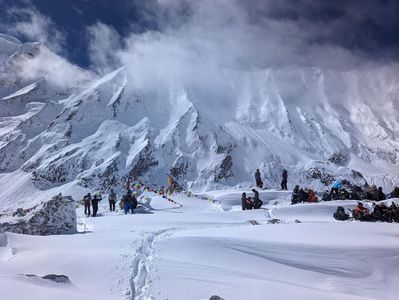
Nepal is one of the most well-known trekking destinations in the world. Routes like Everest Base Camp and the Annapurna region attract travelers from almost every country, and for good reason. The scenery is dramatic, the trails are well developed, and the experience often lives up to the expectations built by years of photos and stories.
At the same time, popularity brings crowds. During peak trekking seasons, some of these routes can feel busy, especially near major villages and viewpoints. Teahouses tend to fill quickly, and the overall experience can feel more structured and fast-paced.
This has led many travelers to start asking a simple question: are there trekking options in Nepal that offer the same Himalayan beauty, but with fewer people on the trail?
Why Nepal’s Popular Treks Attract So Many People
Everest and Annapurna remain popular because they are accessible and well supported. Information is easy to find, logistics are straightforward, and the routes are considered reliable for a wide range of trekkers.
For many travelers, this is exactly what they want. The social atmosphere, shared trail experiences, and established infrastructure make these treks appealing, especially for first-time visitors to Nepal.
However, not every traveler is looking for the same experience. Some prefer quieter trails, slower days, and villages that feel less influenced by mass tourism.
Looking Beyond the Main Routes
Nepal offers far more trekking variety than what is usually highlighted online. Beyond the most famous trails are regions that see fewer trekkers each year, often because they require additional permits or more planning.
These areas tend to feel more remote and less commercial. Trails are quieter, villages are smaller, and daily routines move at a calmer pace. While these treks may require a guide and more preparation, many travelers feel the experience is more immersive and rewarding.
One of the most notable routes in this category is the Manaslu Circuit.
Manaslu Circuit: A Quieter Himalayan Experience
The Manaslu Circuit trek circles Mount Manaslu, the eighth-highest mountain in the world. Despite its scale and dramatic scenery, it remains significantly less crowded than Nepal’s most famous routes.
A major reason for this is its restricted-area status. Trekkers must obtain special permits and travel with a licensed guide. While this adds an extra step to planning, it also helps control the number of people on the trail, preserving the overall experience.
The route offers a gradual transition in landscape, moving from river valleys and forested hills to high alpine terrain and mountain passes. Villages along the way reflect strong local traditions, influenced by both Tibetan and Nepali cultures.
Teahouse trekking is well established, meaning accommodation is available along the route, but without the intense congestion seen on more popular trails.
What Makes Manaslu Appealing to Travelers Seeking Fewer Crowds
The Manaslu Circuit stands out not because it avoids famous scenery, but because it offers a different pace. Days tend to feel less rushed, trails are quieter, and evenings are often spent in smaller, calmer settlements.
For travelers interested in this route, preparation is important. Permit requirements, acclimatization days, and seasonal conditions all play a role in shaping the journey. Having access to clear route and logistics information helps travelers decide whether the trek fits their expectations.
A detailed Manaslu Circuit trek itinerary that explains the route stages, permits, and planning considerations can be especially helpful for those exploring this option.
Choosing the Right Trek in Nepal
There is no single “best” trek in Nepal. The right choice depends on travel style and personal preferences.
Some travelers enjoy the energy and familiarity of popular routes, while others prefer quieter paths and more remote settings. Nepal accommodates both. The key is understanding what kind of experience is being sought before choosing a route.
Famous treks continue to offer incredible experiences, but alternatives like the Manaslu Circuit provide a different perspective on Himalayan travel — one that emphasizes space, cultural depth, and a slower rhythm.
Final Thoughts
Nepal’s reputation as a trekking destination is well deserved, but it extends far beyond its most famous trails. Exploring lesser-known routes can offer a deeper and more personal connection to the landscape and the people who live there.
For travelers willing to plan a little more carefully, quieter treks can reveal a side of Nepal that feels both timeless and rewarding.
Sometimes, stepping away from the main path leads to the most meaningful journeys.
Written By:
Amir Adhikari

Hotels at your convenience
Now choose your stay according to your preference. From finding a place for your dream destination or a mere weekend getaway to business accommodations or brief stay, we have got you covered. Explore hotels as per your mood.