Northern Pakistan Summer Travel Guide
 Luna Jack
09 Apr, 2026
17 mins read
196
Luna Jack
09 Apr, 2026
17 mins read
196
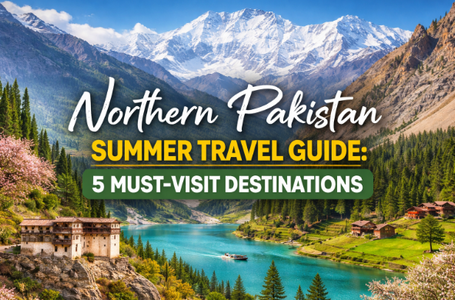
Northern Pakistan Summer Travel Guide: 5 Must-Visit Destinations (2026 Edition)
Northern Pakistan transforms into an entirely different world in summer. Snow retreats from valleys, alpine meadows turn emerald green, glaciers sparkle under clear skies, and remote mountain communities become accessible again after winter isolation. For travelers planning a Northern Pakistan summer trip, this is the season when the region truly opens up — roads reconnect, trekking routes revive, and landscapes reach peak beauty.
This comprehensive Northern Pakistan Summer Travel Guide is designed for travelers, families, photographers, and adventure lovers planning trips between May and September 2026. Whether you want iconic mountain scenery, peaceful lakes, cultural villages, or scenic road journeys, these five destinations represent the very best places to visit in northern Pakistan in summer.
Why Summer is the Best Time to Visit Northern Pakistan
Summer is considered the prime travel season because weather conditions become stable across high-altitude regions. Temperatures typically range between 15°C and 30°C, making sightseeing and trekking comfortable. Valleys that remain snowbound in winter — especially Gilgit-Baltistan and Kashmir — become fully accessible.
During summer:
- Mountain passes reopen
- Trekking routes operate safely
- Lakes thaw into vibrant turquoise colors
- Festivals and local tourism peak
- Wildlife and alpine flora become visible
Regions like Hunza and Skardu experience lush greenery and open access to high-altitude attractions between June and September, widely considered the ideal exploration window.
1. Hunza Valley — The Crown Jewel of Northern Pakistan
If Northern Pakistan had a postcard destination, it would undoubtedly be Hunza Valley. Located along the legendary Karakoram Highway in Gilgit-Baltistan, Hunza blends dramatic mountain landscapes with centuries-old culture and surprisingly modern traveler comfort.
Hunza sits surrounded by some of the most recognizable peaks in Pakistan — including Ultar Sar, Ladyfinger Peak, and Passu Cones — creating a landscape that feels cinematic at every turn. Historically part of the Silk Route, the valley preserved its traditions and architecture for centuries due to geographic isolation.
Summer is when Hunza truly shines. Apricot orchards turn green, rivers flow vividly turquoise, and high-altitude viewpoints become accessible. Karimabad serves as the main hub, offering cafés, guesthouses, and panoramic sunset spots overlooking Rakaposhi and surrounding peaks.
Travelers typically explore:
- Karimabad Bazaar
- Baltit & Altit Forts
- Attabad Lake boating
- Passu Cones
- Hussaini Suspension Bridge
- Khunjerab Pass excursions
- Eagle’s Nest sunset viewpoint
Hunza’s appeal lies in balance — adventure without extreme difficulty. It suits families, photographers, honeymooners, and first-time northern travelers equally well.
Best summer months: June–August
Ideal trip duration: 5–7 days
Travel style: Scenic + cultural exploration
2. Skardu Valley — Land of Lakes, Deserts and Giants
While Hunza offers charm and culture, Skardu delivers scale and drama. Located in Baltistan, Skardu Valley acts as the gateway to some of the world’s highest mountains, including K2 and multiple 8000-meter peaks.
The valley’s geography is unique: cold deserts sit beside alpine lakes, while glaciers descend toward fertile villages. This contrast creates one of Pakistan’s most visually diverse travel regions.
Summer unlocks Skardu completely. Roads to lakes, plateaus, and remote valleys become accessible, making it the best season for exploration and trekking.
Highlights include:
- Shangrila Resort & Lower Kachura Lake
- Upper Kachura Lake
- Shigar Fort and heritage villages
- Sarfaranga Cold Desert
- Basho Valley
- Chunda Valley
- Bilamik Meadows
- Deosai National Park (open only in summer)
- Khaplu
Many travelers describe Skardu as a photographer’s paradise due to constantly changing landscapes — deserts, rivers, glaciers, and mountains within short distances.
Community travelers often emphasize Skardu’s role as an adventure gateway, offering trekking, climbing access, and cultural immersion within Balti communities.
Best summer months: June–September
Ideal trip duration: 5–8 days
Travel style: Adventure + landscape exploration
3. Fairy Meadows — Pakistan’s Most Magical Mountain Experience
Few places in Pakistan inspire as much awe as Fairy Meadows. Situated at the base of Nanga Parbat, the world’s ninth-highest mountain, this alpine grassland delivers one of the most iconic mountain views on Earth.
The journey itself is part of the adventure. Travelers first drive along the Karakoram Highway, then take a jeep ride on a narrow mountain road before completing a 3–4 hour hike to reach the meadow.
The reward? A vast green meadow facing the immense north face of Nanga Parbat — often glowing pink at sunrise and golden at sunset.
Tourism here operates mainly between April and September when camps and lodges function seasonally.
Visitors typically experience:
- Bonfire nights under star-filled skies
- Short hikes toward Beyal Camp
- Glacier viewpoints
- Nanga Parbat Base Camp trek
- Sunrise photography sessions
- Minimal light pollution for astrophotography
Travelers frequently describe the journey as challenging but unforgettable:
“Getting there is already an adventure, but the reward is unreal.”
Best summer months: May–September
Ideal trip duration: 2–3 days
Travel style: Soft adventure + trekking
4. Swat, Kalam & Malam Jabba — The Switzerland of Pakistan
For travelers wanting northern beauty without extremely long journeys, Swat Valley offers the perfect solution. Often called the “Switzerland of Pakistan,” Swat combines accessibility with lush alpine scenery.
Kalam Valley, located about 96 km north of Mingora, sits at an elevation of around 2,000 meters and becomes a vibrant summer escape filled with forests, rivers, and lakes.
The region’s charm lies in variety:
- Kalam riverside landscapes
- Mahodand Lake excursions
- Ushu Forest national park
- Paloga Valley
- Malam Jabba mountain resort
- Scenic drives through pine valleys
Unlike higher northern regions, Swat provides strong tourism infrastructure, making it ideal for families and first-time travelers.
Summer festivals and riverside camping attract thousands of domestic tourists annually, especially between June and August.
Best summer months: May–August
Ideal trip duration: 3–5 days
Travel style: Relaxed scenic travel
5. Kashmir, Neelum Valley & Taobat — Pakistan’s Hidden Green Paradise
If Hunza represents dramatic mountains, Neelum Valley represents serenity. Located in Azad Kashmir, this region stretches along the Neelum River, offering dense forests, waterfalls, and traditional villages.
The journey gradually transitions from Muzaffarabad’s hills to alpine landscapes near Taobat — one of Pakistan’s northernmost villages accessible by road.
Popular stops include:
- Keran riverside views
- Sharda historic town
- Kel and Arang Kel viewpoints
- Taobat village
Taobat feels untouched by mass tourism, with wooden houses, grazing fields, and slow village life defining the experience.
Travelers often compare Swat and Neelum Valley depending on preference — Swat for easier access, Neelum for quieter scenery and alpine immersion.
Summer brings clear skies, comfortable temperatures, and flowing waterfalls — making it the best season for visiting Kashmir’s valleys.
Best summer months: May–September
Ideal trip duration: 4–6 days
Travel style: Nature + relaxation
Travel Tips for Northern Pakistan Summer 2026
Weather Preparation
Even in summer, evenings at altitude can drop below 10°C. Layered clothing is essential.
Road Conditions
Mountain travel requires flexible scheduling due to landslides or weather variations.
Connectivity
Internet improves yearly but remains limited in remote areas like Fairy Meadows and Taobat.
Responsible Travel
Climate change impacts glaciers and ecosystems in northern regions, making sustainable travel practices increasingly important.
Packing Essentials for Northern Pakistan Summer Travel
Bring:
- Light layers + warm jacket
- Comfortable trekking shoes
- Sunscreen and sunglasses
- Reusable water bottle
- Power bank
- Camera or drone (where permitted)
Why Northern Pakistan Should Be Your Summer 2026 Destination
Northern Pakistan offers something increasingly rare in modern travel — raw landscapes combined with authentic culture. Within one country, travelers can experience glacier-fed lakes, alpine meadows, ancient forts, peaceful villages, and some of the tallest mountains on Earth.
From Hunza’s iconic peaks to the serenity of Taobat, every destination tells a different story of Pakistan’s northern frontier. Summer unlocks them all, making it the ultimate season for exploration.
Plan Your Northern Pakistan Summer Adventure
Whether you’re planning a relaxed family getaway, a photography expedition, or a mountain adventure, Northern Pakistan in summer promises unforgettable experiences. Carefully planned itineraries help maximize travel time while ensuring safe and comfortable journeys across these spectacular regions.
Start planning early, choose the destinations that match your travel style, and prepare to experience one of the most breathtaking mountain regions in the world.
Get in touch to book your trip!
Written By:
Luna Jack

Hotels at your convenience
Now choose your stay according to your preference. From finding a place for your dream destination or a mere weekend getaway to business accommodations or brief stay, we have got you covered. Explore hotels as per your mood.