Omani Forts & Legends: Walk Through a Living History
 Mosim Khokhar
24 Oct, 2025
10 mins read
82
Mosim Khokhar
24 Oct, 2025
10 mins read
82
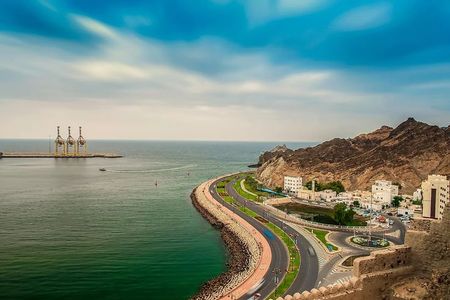
Oman is a land where time seems to stand still - a nation that gracefully balances its deep-rooted traditions with the pulse of modern progress. Scattered across its vast deserts, lush oases, and rugged mountains are timeless structures that whisper stories from centuries past. The forts of Oman are not just stone walls or watchtowers; they are living chapters of a civilization that has defended, traded, and thrived for more than a thousand years. Each fort carries legends of bravery, wisdom, and unity - a reminder that the strength of a nation lies in its people and their enduring spirit. Understanding these architectural wonders is like stepping into a living museum, where every brick tells a tale of courage, strategy, and heritage.
Omani Forts: Guardians of the Past
Forts in Oman are among the most significant historical landmarks in the Arabian Peninsula. They were built primarily between the 12th and 19th centuries as defensive structures against invasions and tribal conflicts. Over 500 forts, castles, and watchtowers are scattered across the country, each representing a distinct period of Omani history.
The most famous among them is Nizwa Fort, built in the 17th century by Imam Sultan bin Saif Al Ya’rubi. Its massive circular tower was designed to withstand cannon fire and provide a commanding view of the surrounding town. Similarly, Bahla Fort, a UNESCO World Heritage Site, showcases the ancient Omani mud-brick architectural style and stands as a symbol of medieval engineering excellence. These forts were not only military bases but also centers of governance, trade, and community life - reflecting Oman’s socio-political evolution through the ages.
Oman Tour Packages: A Gateway to Cultural Exploration
Today, exploring these magnificent forts is made easier through various Oman Tour Packages, designed to immerse travelers in the country’s rich heritage. Tour operators often include historical routes such as Muscat, Nizwa, Bahla, and Rustaq - each destination telling its own unique story.
For instance, visitors can start from Al Jalali and Al Mirani Forts in Muscat, overlooking the turquoise waters of the Gulf of Oman. These twin forts once guarded the harbor from foreign invaders and now serve as powerful symbols of Omani resilience. Moving inland, the Nakhal Fort, surrounded by palm groves and hot springs, provides insight into Omani architectural ingenuity and traditional lifestyle.
What makes these tours remarkable is not just the architecture but also the storytelling - guides often recount legends of valiant rulers, local heroes, and everyday life that once thrived within these walls. Such experiences turn history into emotion, allowing travelers to feel the spirit of Oman rather than just see it.
Places To Visit In Oman: Beyond the Fort Walls
When planning a journey through Oman’s history, travelers find themselves surrounded by endless Places To Visit In Oman that complement the forts and castles. The city of Nizwa, known as the “Pearl of Islam,†blends spirituality and history with its traditional souq and ancient fort. In contrast, Bahla enchants visitors with its myths - local folklore speaks of hidden treasures and supernatural guardians protecting its walls.
Further north, the Rustaq Fort stands tall against the dramatic backdrop of Al Hajar Mountains, while Jabreen Castle reveals the artistic side of Omani heritage with beautifully painted ceilings and calligraphy-lined corridors. For a deeper cultural immersion, travelers can visit Al Hamra and Misfat Al Abriyeen, ancient villages where mud-brick houses and date plantations preserve the rural soul of the nation.
Each site is a reminder that Oman’s identity is woven from its geography, architecture, and oral traditions - all of which continue to thrive in the hearts of its people.
Legends and Folklore: The Soul of Omani Forts
Omani forts are more than silent witnesses of war and peace; they are keepers of countless legends passed down through generations. Many locals believe that Bahla Fort was built with the help of jinn (spirits), a belief that adds mystery to its already majestic presence. Similarly, Rustaq Fort is associated with tales of hidden treasures buried beneath its walls.
These stories not only enrich the visitor’s experience but also preserve Oman’s intangible heritage - the myths, songs, and oral narratives that keep the nation’s soul alive. In Omani culture, history is not just recorded in books; it lives in stories told around campfires, in songs sung during celebrations, and in the echoes of ancient fortresses.
Architectural Brilliance and Cultural Significance
The architecture of Omani forts is a masterpiece of adaptation and resilience. Built using locally available materials such as mud, stone, and palm trunks, the structures are designed to withstand the harsh desert climate. Features like secret escape routes, ventilation shafts, and underground chambers reflect remarkable engineering foresight.
Architecturally, the circular towers of Nizwa Fort, the decorative arches of Jabreen Castle, and the solid ramparts of Bahla Fort symbolize strength, protection, and authority. Beyond their physical beauty, these forts played a central role in shaping Oman’s political stability and regional trade - serving as safe havens and administrative centers for centuries.
Preservation Efforts and Modern Relevance
The Omani government, under the guidance of the Ministry of Heritage and Tourism, continues to invest in restoring and preserving these historical landmarks. UNESCO’s recognition of Bahla Fort as a World Heritage Site has brought global attention to Oman’s efforts in cultural preservation. Today, many forts serve as museums and venues for cultural events, offering visitors an authentic glimpse into Oman’s glorious past while promoting sustainable tourism.
Conclusion
Omani forts stand as timeless reminders of courage, wisdom, and unity. They are not just relics of history but living embodiments of a nation’s enduring identity. Through their preservation, Oman connects its ancient soul with the modern world — allowing travelers to walk through corridors where time whispers stories of valor and faith. Exploring these architectural treasures means more than sightseeing; it’s a journey into the heart of a civilization that continues to inspire the world with its humility, strength, and grace.
FAQs
Q1. How many forts are there in Oman?
Oman is home to more than 500 forts, castles, and watchtowers spread across different regions.
Q2. Which is the most famous fort in Oman?
Nizwa Fort and Bahla Fort are among the most visited and historically significant forts in Oman.
Q3. Can tourists visit Omani forts?
Yes, most forts are open to visitors year-round, with guided tours available through local travel agencies.
Q4. What makes Bahla Fort special?
Bahla Fort is a UNESCO World Heritage Site, renowned for its mud-brick construction and legendary folklore.
Q5. Are Omani forts part of modern Oman’s tourism?
Absolutely. They form the backbone of cultural tourism and are included in most heritage-based travel itineraries.
Written By:
Mosim Khokhar

Hotels at your convenience
Now choose your stay according to your preference. From finding a place for your dream destination or a mere weekend getaway to business accommodations or brief stay, we have got you covered. Explore hotels as per your mood.