Oxygen for Tomorrow: Dubai’s Sustainable Future
 Mosim Khokhar
22 Nov, 2025
9 mins read
83
Mosim Khokhar
22 Nov, 2025
9 mins read
83
Building a Greener Horizon
In a world facing climate change, rising temperatures, and the depletion of natural resources, sustainability has become more than just a trend-it’s a necessity. Cities around the world are rethinking how they grow, use energy, and protect the environment. Among them, Dubai stands out as a remarkable example of transformation. Known once for its glittering skyscrapers and luxury lifestyle, Dubai is now striving to become one of the most sustainable cities on the planet. Through innovative technology, renewable energy, and green urban planning, the city is taking bold steps to secure “oxygen for tomorrow” - ensuring that future generations can breathe cleaner air, enjoy a healthier environment, and live in harmony with nature.
1. The Vision Behind a Sustainable Dubai
Dubai’s sustainability journey is guided by the UAE Vision 2030 and the Dubai Clean Energy Strategy 2050, which aim to make the city a global hub for clean energy and green economy. These plans focus on reducing carbon emissions, improving air quality, and increasing the use of renewable energy sources such as solar and wind power. The idea is not only to preserve the environment but also to create a long-term balance between economic development and ecological responsibility.
Dubai’s leadership understands that sustainability means more than planting trees-it means changing lifestyles, building eco-friendly infrastructure, and encouraging responsible consumption. Every new project in Dubai, from transportation to housing, is designed with the environment in mind.
2. Dubai Visa for Gabon Citizens: A Gateway to Innovation and Sustainability
Dubai’s reputation as a forward-thinking city attracts people from all around the world, including Gabon. For travelers interested in exploring how sustainability and modern living coexist, obtaining a Dubai Visa for Gabon Citizens is the first step toward discovering this futuristic city. Once in Dubai, visitors can witness groundbreaking initiatives such as The Sustainable City, a model community powered by renewable energy, where waste is recycled and cars are electric.
These green projects not only inspire visitors but also encourage other countries to adopt similar practices. The Sustainable City demonstrates how Dubai combines modern luxury with environmental consciousness-a real-life lesson in how development and nature can work together.
3. Dubai Visa for Georgia Citizens: Exploring a Greener Tomorrow
Similarly, those seeking a Dubai Visa for Georgia Citizens will find themselves entering a city that is rapidly transforming its environmental identity. From the iconic Museum of the Future, which showcases innovations in clean technology, to the Dubai Electricity and Water Authority (DEWA) initiatives promoting solar energy, the city is full of inspiring projects.
Tourists from Georgia and beyond are often amazed by the city’s efforts to reduce dependence on fossil fuels through solar parks like the Mohammed bin Rashid Al Maktoum Solar Park, one of the largest renewable energy projects in the world. By visiting Dubai, people can experience first-hand how technology and creativity can solve global challenges like climate change and pollution.
4. Green Architecture and Urban Innovation
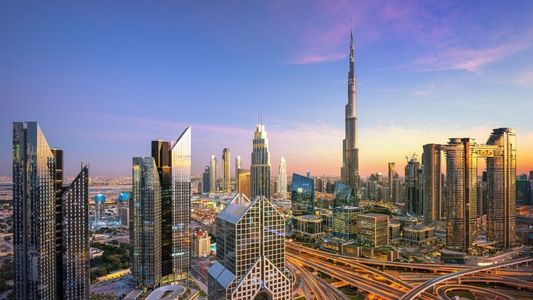
Dubai’s skyline, famous for its architectural marvels, is now also becoming a showcase of green design. Buildings such as the Dubai Frame and The Opus by Zaha Hadid integrate eco-friendly materials, natural ventilation systems, and energy-efficient lighting. Moreover, new construction guidelines ensure that every building contributes to sustainability goals by using renewable materials, minimizing water waste, and adopting smart technologies.
The city’s public transport system is another example of sustainable planning. The Dubai Metro, electric buses, and upcoming autonomous taxis help reduce traffic emissions while promoting cleaner, faster, and more efficient mobility.
5. Renewable Energy: Powering the Future
At the heart of Dubai’s green transformation is its commitment to renewable energy. The Dubai Clean Energy Strategy 2050 aims to produce 75% of the city’s energy from clean sources by 2050. The Mohammed bin Rashid Al Maktoum Solar Park plays a crucial role in this mission, generating thousands of megawatts of electricity and reducing millions of tons of carbon emissions annually.
Additionally, Dubai is experimenting with waste-to-energy plants and desalination projects powered by solar energy, helping conserve precious natural resources while reducing pollution. These initiatives position Dubai as a model for sustainable cities worldwide.
6. Education and Public Awareness
Dubai’s approach to sustainability goes beyond infrastructure—it also focuses on education and community participation. Schools, universities, and organizations run programs to teach young people about the importance of sustainability, recycling, and renewable energy. Events like Expo 2020 Dubai showcased global solutions for a sustainable future, inspiring students, innovators, and policymakers alike.
Through campaigns such as “Dubai Can”, which encourages citizens to reduce plastic waste by using refillable bottles, the city is creating a culture of environmental responsibility among its residents and visitors.
7. Case Studies: Real-Life Success Stories
- The Sustainable City – The first net-zero energy city in the Middle East, featuring 100% solar-powered homes, greenhouses, and car-free zones.
- Dubai Desert Conservation Reserve – Protects over 225 square kilometers of desert habitat and endangered species while promoting eco-tourism.
- Palm Jumeirah Waste Management Project – A smart system that monitors and reduces waste across residential areas and hotels.
These examples highlight Dubai’s commitment to protecting both urban and natural ecosystems.
Conclusion: Breathing Hope into the Future
Dubai’s journey toward sustainability is more than a vision—it’s a living reality. The city has shown that progress and nature can coexist when guided by innovation, responsibility, and foresight. Through clean energy, eco-friendly architecture, and community involvement, Dubai is building a future where “oxygen for tomorrow” is not just a dream but a promise. Its efforts remind the world that every city can—and must—take part in preserving the planet for generations to come.
Frequently Asked Questions (FAQ)
1. What is Dubai’s main goal for sustainability?
Dubai aims to become one of the world’s most sustainable cities by 2050, focusing on renewable energy, green buildings, and environmental conservation.
2. What is The Sustainable City in Dubai?
It’s a residential community designed to operate entirely on renewable energy, with recycling systems and zero-waste policies.
3. How does Dubai use renewable energy?
Dubai uses solar power, wind energy, and waste-to-energy systems to generate electricity and reduce carbon emissions.
4. Can tourists see sustainability projects in Dubai?
Yes, visitors can explore green landmarks like The Sustainable City, the Museum of the Future, and solar parks across the city.
5. Why is Dubai considered a leader in sustainability?
Because it combines innovation, technology, and environmental responsibility to create a balanced, eco-friendly urban environment.
Written By:
Mosim Khokhar

Hotels at your convenience
Now choose your stay according to your preference. From finding a place for your dream destination or a mere weekend getaway to business accommodations or brief stay, we have got you covered. Explore hotels as per your mood.