Phulara Ridge Trek Best Time: Spring vs Autumn Comparison
 Deepanshu Negi
15 Jan, 2026
10 mins read
107
Deepanshu Negi
15 Jan, 2026
10 mins read
107
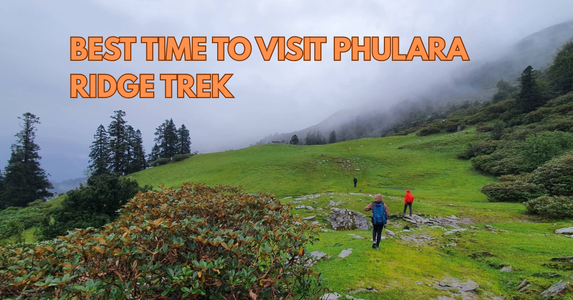
Choosing the right season can completely change your trekking experience. This becomes even more important for a trail like Phulara Ridge, where views, weather, forest colors, and walking comfort depend heavily on timing. Many trekkers ask the same question before planning their trip: Is spring better than autumn for the Phulara Ridge Trek, or is it the other way around?
This article gives a clear, honest, and fact-based comparison of spring vs autumn for the Phulara Ridge Trek, without exaggeration or guesswork. The goal is simple help you decide the best time based on real conditions, not marketing hype.
Phulara Ridge Trek Location
Phulara Ridge Trek is located in Uttarkashi district of Uttarakhand, within the Govind Pashu Vihar National Park region. The trek starts from Sankri village, which also serves as the base camp for popular treks like Kedarkantha and Har Ki Dun.
Sankri lies at an altitude of around 1,950 meters and remains accessible by road from Dehradun. The ridge trail climbs gradually through dense forests and open meadows before reaching the long ridge walk that makes this trek special.
Understanding the Phulara Ridge Trail
Phulara Ridge stands out because it offers a continuous ridge walk, something rare in Indian Himalayan treks. Once you step onto the ridge, you walk for hours with valleys on both sides and snow peaks visible in the distance.
The trek reaches an altitude of approximately 3,700 meters, making weather stability an important factor. Seasonal differences directly affect trail conditions, visibility, and overall safety.
Spring Season on Phulara Ridge Trek (April to June)
Spring marks the end of winter and the beginning of stable trekking conditions in this region.
Weather and Temperature in Spring
During spring, daytime temperatures usually range between 10°C to 18°C, while nights remain cooler, often dropping to 0°C to 5°C at higher camps. These figures align with seasonal weather data observed in Uttarakhand’s mid-Himalayan zone, as reported by the India Meteorological Department.
The weather stays mostly clear in April and May, with occasional cloud build-up in June.
Trail Conditions in Spring
In early spring, you may encounter residual snow patches, especially near the ridge section. However, the trail remains well-defined and manageable. Forest paths stay dry, which reduces the risk of slips.
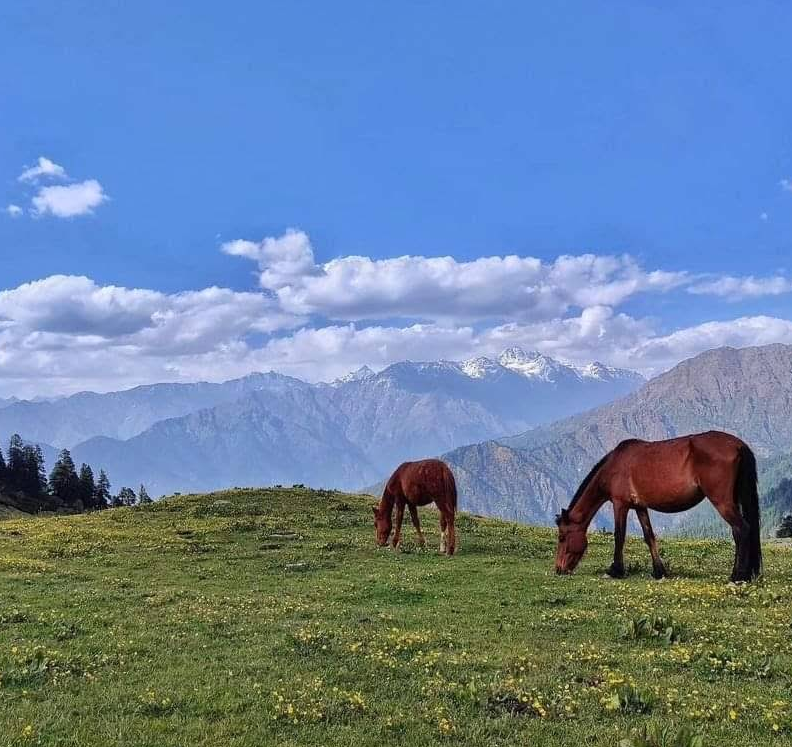
Spring also brings blooming rhododendrons and fresh green meadows. This natural growth makes the lower sections of the trek visually rewarding.
Visibility and Views in Spring
Spring offers excellent mountain visibility, especially during mornings. Snow-clad peaks appear sharp and bright due to low humidity levels. Photographers often prefer this season for clean skyline shots.
Challenges of Spring Trekking
While spring feels comfortable, it still comes with limitations.
Snow patches can slow down beginners, especially in April. Cold nights may feel uncomfortable for trekkers who are not used to mountain conditions. Also, late May and June may see rising temperatures during the day, which can cause mild fatigue.
Autumn Season on Phulara Ridge Trek (September to November)
Autumn begins once the monsoon withdraws from the Garhwal Himalayas.
Weather and Temperature in Autumn
Autumn temperatures usually range between 8°C to 15°C during the day, with night temperatures dropping to -5°C to 2°C. The air feels crisp and dry, especially in October.
These conditions reflect post-monsoon climate patterns observed across Uttarakhand’s high-altitude zones.
Trail Conditions in Autumn
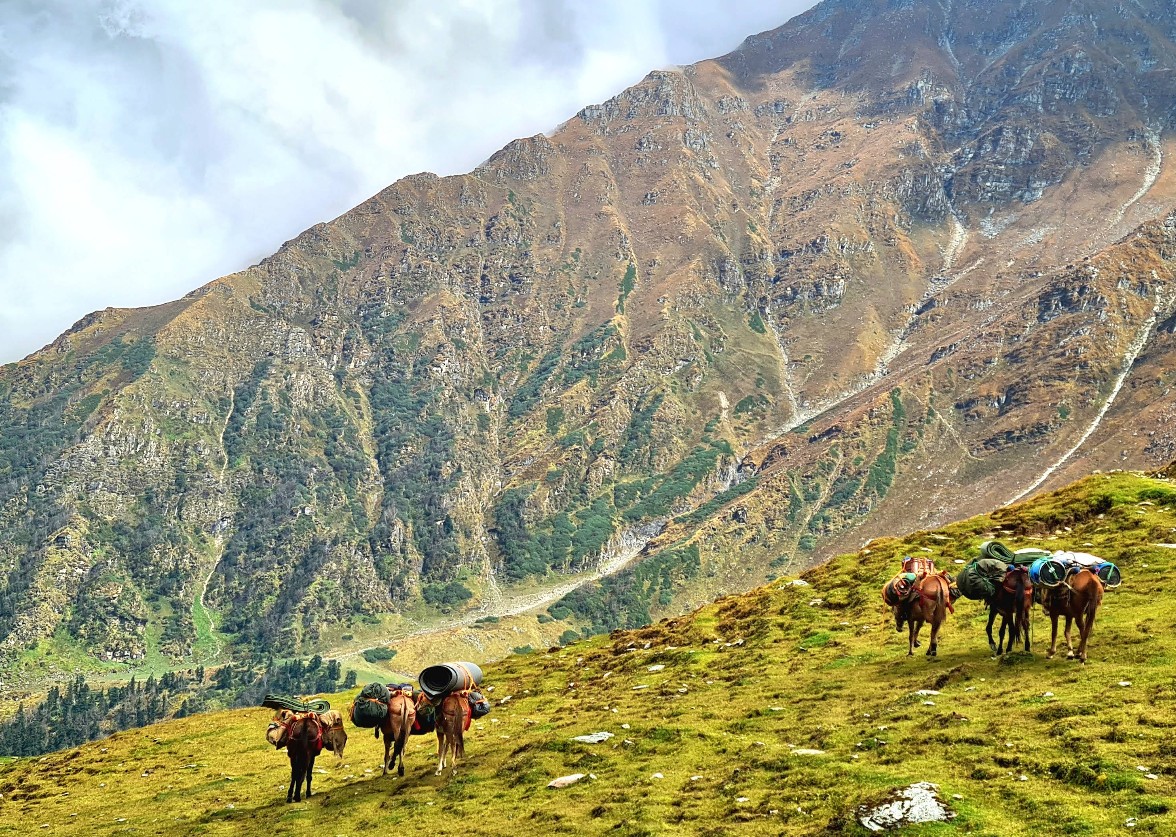
Autumn trails remain dry and firm, making walking easier. Monsoon rains settle the dust and refresh the forests. Grasslands turn golden, and the ridge appears wide and open.
The absence of snow allows faster movement and reduces physical strain.
Visibility and Landscape in Autumn
Autumn offers some of the clearest Himalayan views of the year. Lower humidity levels result in long-distance visibility. You can see layered mountain ranges clearly, especially during early mornings and late afternoons.
Challenges of Autumn Trekking
The biggest challenge during autumn is cold nights. Campsites feel much colder compared to spring. November nights can feel harsh without proper insulation.
Shorter daylight hours also mean tighter trekking schedules. Trekkers must start early to maintain a comfortable pace.
Spring vs Autumn: Direct Comparison
Weather Stability
Spring offers slightly warmer nights, while autumn provides clearer skies and drier air.
Landscape Experience
Spring focuses on fresh greenery and flowers. Autumn highlights golden meadows and sharp mountain views.
Difficulty Level
Spring can feel moderately challenging due to leftover snow. Autumn remains easier and more predictable.
Crowd Levels
Both seasons attract trekkers, but spring usually sees more footfall due to school holidays and popular snow expectations.
Which Season Is Better for Beginners?
For first-time trekkers, autumn is generally more comfortable. The trail remains clear, weather stays predictable, and walking conditions feel easier.
Spring suits trekkers who enjoy mild snow encounters and vibrant forests but can handle slightly changing conditions.
Best Month Recommendation
April: Ideal for spring colors and cooler weather
May: Balanced conditions with minimal snow
October: Best overall visibility and stable weather
Early November: Suitable for experienced trekkers prepared for cold
Safety and Environmental Factors
Govind Pashu Vihar National Park authorities regulate trekking routes to protect wildlife and forests. Seasonal access depends on weather stability and trail safety assessments.
Both spring and autumn align well with eco-sensitive trekking guidelines, as the region avoids extreme weather stress during these periods.
Final Verdict: Spring or Autumn?
There is no single “perfect” season. The best time for Phulara Ridge Trek depends on what you value more.
Choose spring if you want blooming forests and moderate temperatures. Choose autumn if you prefer crystal-clear views, dry trails, and stable weather.
Either way, Phulara Ridge delivers a rewarding Himalayan experience when planned during the right season.
Written By:
Deepanshu Negi

Hotels at your convenience
Now choose your stay according to your preference. From finding a place for your dream destination or a mere weekend getaway to business accommodations or brief stay, we have got you covered. Explore hotels as per your mood.