Planning a Two Week Trip to Douala Cameroon
 Wiliam John
06 Apr, 2026
10 mins read
90
Wiliam John
06 Apr, 2026
10 mins read
90
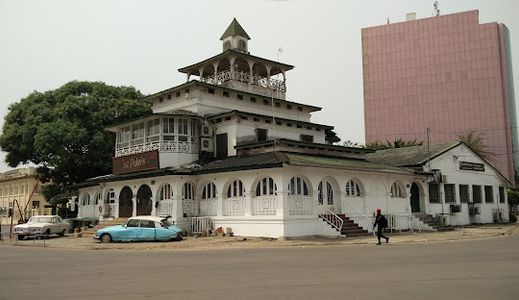
Douala is the beating heart of Cameroon. As the country’s largest city and economic powerhouse, it offers a sensory experience quite unlike any other destination in Central Africa. While many travelers use it merely as a transit point, spending two weeks here allows you to truly uncover the layers of culture, history, and natural beauty that define the region.
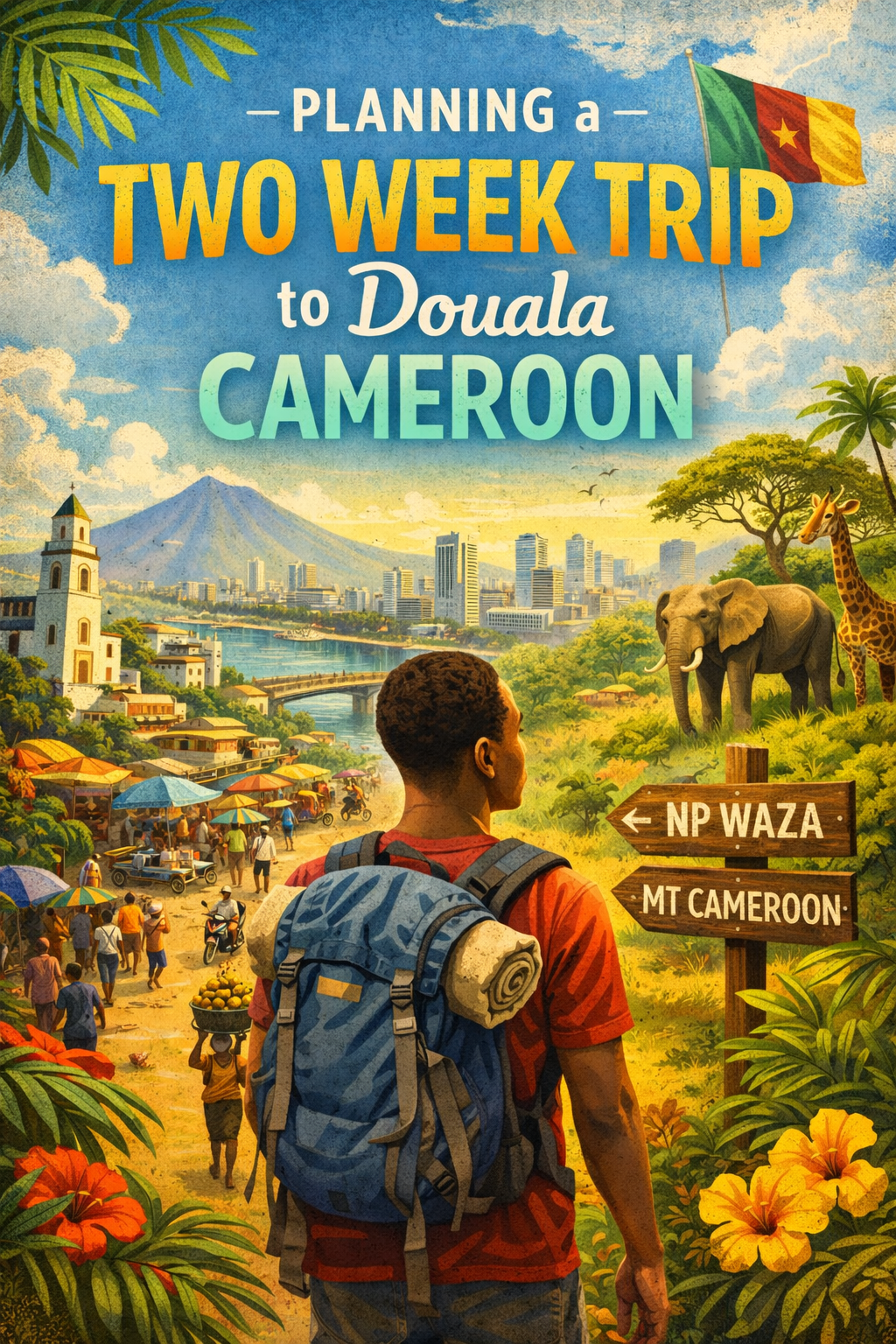
From the aroma of grilled fish at local markets to the misty heights of nearby waterfalls, this guide covers everything you need to plan a smooth and memorable journey.
1. Why is Douala the Best Starting Point for a Cameroon Adventure?
Douala is the primary gateway to Cameroon, housing the country's busiest international airport. But beyond logistics, it is the cultural melting pot of the nation. Starting here gives you immediate access to the best infrastructure, diverse culinary scenes, and the easiest transport links to the coastal gems of Limbe and the lush forests of the Littoral region.
2. When is the Best Time of Year to Visit Douala?
The climate in Douala is equatorial—hot and humid. To make the most of your two-week trip, aim to visit during the dry season, which runs from November to February. During these months, the Saharan harmattan winds keep the heavy rains at bay, making it much easier to explore the city streets and head out on day trips without getting stuck in tropical downpours.
3. Is Douala Safe for International Tourists?
Generally, Douala is welcoming to visitors, but it requires "big city" street smarts. Areas like Bonanjo and Akwa are considered the safest for foreigners during the day. Like any major hub, it is wise to avoid walking alone at night in unfamiliar neighborhoods and to keep your phone and wallet secure in crowded markets. Using reputable taxi apps or hotel-arranged transport is always the best way to move around after dark.
4. What are the Must-See Historical Landmarks in Douala?
You shouldn’t leave without visiting La Pagode (The Palace of the Kings Bell) in Bonanjo. This architectural marvel, built during the German colonial era, looks like something out of a storybook with its pagoda-style roof. Other highlights include the Douala Maritime Museum and the St. Peter and Paul Cathedral, which tell the complex story of the city’s evolution from a fishing village to a global port.
5. Where Can You Find the Best Street Food in Douala?
The food scene in Douala is legendary. For an authentic experience, head to the Marché des Fleurs or the many roadside grills in Bonamoussadi. You must try Ndole (a savory dish of bitter leaves, nuts, and fish or meat) and fresh Atlantic prawns. The street-grilled fish, seasoned with local spices and served with "baton de manioc," is a staple you will crave long after you leave.
6. What Should You Pack for a Two-Week Trip to Cameroon?
Pack light, breathable cotton clothing to handle the humidity. You will also need:
- A sturdy pair of walking shoes for city tours.
- Modest attire (covering shoulders and knees) for visiting traditional palaces or religious sites.
- High-quality insect repellent and a mosquito net if you plan to stay in budget lodges.
- A universal power adapter (Type C and E are common).
7. How Do You Get Around Douala Without a Car?
Yellow taxis are the backbone of the city's transport. You can take a "depot" (private hire) or "ramassage" (shared taxi). Moto-taxis are incredibly fast and common for short distances, though they can be adventurous for first-timers. For a more comfortable experience, many travelers prefer hiring a private driver for the day through their hotel.
8. What are the Best Day Trips from Douala?
Two weeks gives you plenty of time to explore the surroundings. A trip to Limbe (1.5 hours away) offers black sand volcanic beaches and the Limbe Wildlife Centre. Another spectacular option is the Ekom Nkam Waterfalls, where the movie Greystoke: The Legend of Tarzan was filmed. These falls are particularly breathtaking at the tail end of the rainy season.
9. Where are the Best Places to Shop for Souvenirs?
For traditional crafts, the Artisanal Market (Marché des Fleurs) is the gold standard. Here you can find hand-carved masks, intricate beadwork, and vibrant textiles. If you want a more local "chaos" experience, the Marché Central is huge and sells everything from spices to tailored clothes, but be prepared to haggle!
10. How Much Does a Mid-Range Trip to Douala Cost?
Cameroon uses the Central African CFA Franc (XAF). For a mid-range traveler, budgeting between $100–$150 per day is reasonable. This covers a comfortable hotel, two restaurant meals, and private taxi transport. Street food and shared taxis can significantly lower this cost if you are on a tighter budget.
11. Can You Visit a Wildlife Reserve Near Douala?
Yes! The Douala-Edéa Wildlife Reserve is a hidden gem. It is a vast area of mangroves and lagoons home to elephants, chimpanzees, and manatees. It’s an ideal spot for eco-tourists who want to see Cameroon’s biodiversity without traveling to the far north of the country.
12. Do I Need a Visa to Visit Cameroon?
Yes, most international travelers require a visa to enter Cameroon. This is often the most critical part of your planning. You should check the official Cameroon visa requirements well in advance of your flight to ensure your paperwork is in order.
13. What Health Precautions are Necessary Before Flying?
A Yellow Fever vaccination certificate is mandatory for entry into Cameroon. Additionally, Douala is a high-risk malaria zone, so consulting your doctor about anti-malarial pills is essential. Only drink bottled or filtered water, and avoid ice cubes in drinks at smaller street stalls.
14. How Can You Respect the Local Culture in Douala?
Mozambicans and Cameroonians alike value politeness. Always greet people with a "Bonjour" or "Bonsoir" before asking for help. It is also important to ask for permission before taking photos of people or government buildings, as the latter is often restricted by law.
15. Is Douala a Good Choice for Solo Travelers?
Absolutely, provided you are an experienced traveler. The city has a high energy that can be overwhelming at first, but the locals are generally helpful. Staying in social areas like Akwa or finding a local guide can make the experience much smoother and more enjoyable.
16. What is the Nightlife Like in the Akwa District?
Akwa is the center of Douala’s nightlife. From high-end lounges to "bouges" (local bars) playing Makossa and Bikutsi music, the energy is infectious. It’s the perfect place to grab a "33" Export beer and watch the city come alive under the neon lights.
Why Choose Us?
Navigating international travel can be complex, especially for your first trip to Central Africa. We simplify the hardest part—the paperwork.
- Reliable Travel Visa Services: Our global approach has assisted numerous travelers in obtaining their Visa.
- Round-the-Clock Assistance: Reach out to us 24/7, and our experts will respond within 72 hours.
- Experienced Visa Consultants: Receive expert guidance to ensure the acceptance of your application.
- Efficient Visa Application Process: Apply for your Visa in minutes with our simplified form.
Ready to explore the heart of Africa? Check if you need a visa to visit Cameroon today!
Written By:
Wiliam John

Hotels at your convenience
Now choose your stay according to your preference. From finding a place for your dream destination or a mere weekend getaway to business accommodations or brief stay, we have got you covered. Explore hotels as per your mood.