Pokhara Travel Guide: Lakes, Mountains, and Adventure
 Sara Saroshk
16 Feb, 2026
10 mins read
79
Sara Saroshk
16 Feb, 2026
10 mins read
79
Pokhara doesn’t demand your attention. It waits for it.
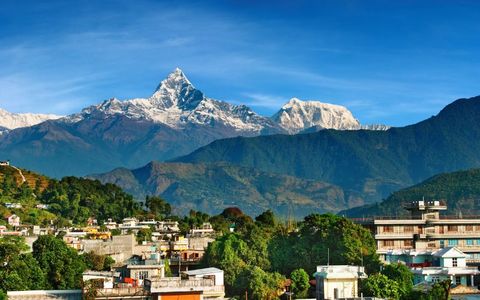
You arrive, usually from Kathmandu, tired from the road or a short flight, and everything feels slower almost immediately. The air is softer. The streets are quieter. The mountains sit there like they’ve been doing this forever, which they have.
Most travelers come to Pokhara for a reason—trekking, paragliding, lakeside views—and then stay longer than planned. Not because there’s so much to do, but because it’s one of the few places in Nepal where rest doesn’t feel like wasted time.
This guide is about how Pokhara actually works on the ground. What’s worth your energy. What people rush past. And where trips often go wrong, especially if you’re balancing adventure with downtime or weaving Pokhara into Nepal spiritual and mountain tours.
Phewa Lake: Don’t Just Walk Past It
Everyone goes to Phewa Lake. Fewer people actually spend time on it.
Walking the lakeside path is fine. Renting a boat and heading toward the middle is better. The reflections change. The noise fades. The town feels far away, even though it’s not.
Go in the morning if you want calm. Late afternoon if you want atmosphere. Avoid weekends if you’re craving quiet.
Most people miss this by treating the lake as scenery instead of an experience.
The Mountains: Visible, Not Guaranteed
On a clear day, Pokhara delivers one of the best mountain views in Nepal. Annapurna Range, Machapuchare, Dhaulagiri. All right there.
On a cloudy day? Nothing.
This is where expectations trip people up. Mountains aren’t scheduled. Visibility changes by the hour. Early mornings are your best bet. Sunrise matters more here than sunset.
If you see clear skies, drop what you’re doing and find a viewpoint. Sarangkot is the famous one, but even quiet rooftops work.
Sarangkot: Go Early or Don’t Go
Sarangkot is popular for a reason. When it works, it really works.
But timing matters. Arrive late and you’ll fight crowds for space. Arrive too early and you’ll wait in the cold wondering if the clouds will lift.
If you’re serious about views, go before sunrise, accept that it might not cooperate, and move on with your day if it doesn’t. Chasing the “perfect” moment here can eat more time than it’s worth.
Paragliding: Choose Your Conditions Carefully
Pokhara is one of the world’s better paragliding spots. Stable air. Big views. Experienced pilots.
It’s also weather-dependent and schedule-flexible, which can frustrate travelers on tight plans.
If paragliding matters to you, don’t book it for your last day. Conditions change. Flights get delayed. That’s normal.
This is where trips often go wrong—building an itinerary that assumes everything runs on time. It doesn’t. And that’s part of Pokhara’s rhythm.
Trekking Base, Not Just a Stop
Pokhara is the gateway to the Annapurna region. Even if you’re not trekking, you’ll feel that energy—gear shops, guides, quiet anticipation.
If you are trekking, give yourself buffer days before and after. One to prepare. One to recover.
Many Nepal spiritual and mountain tours pass through Pokhara quickly. That’s a mistake. This is where bodies and minds reset.
Lakeside: Comfortable, But Not the Whole City
Lakeside is where most travelers stay. It’s convenient. Walkable. Full of restaurants and cafés.
It’s also not the whole Pokhara.
If you have time, wander away from the main strip. Side streets feel more local. Fewer menus. Fewer people trying to sell you something.
You don’t need to avoid Lakeside. Just don’t assume that’s all there is.
Food and Routine: Slow Is the Point
Pokhara is where people settle into habits.
Morning walks. Late breakfasts. Long lunches. Sunset tea. Early nights.
Food reflects that. You’ll find Nepali staples, international comfort food, and surprisingly good bakeries. Don’t chase “the best” restaurant. Find one you like and go back.
This is one of the few places in Nepal where repetition feels right.
World Peace Pagoda: Worth the Effort
The World Peace Pagoda sits above the lake and offers a different perspective—literally and figuratively.
You can hike up, take a boat partway, or drive around. Hiking is the most satisfying if you have the time and energy.
Go when it’s quiet. Midday heat keeps crowds away. Late afternoon brings people back.
Most travelers rush this. Stay longer. Sit. Look. Let it land.
Adventure Without Chaos
Pokhara offers plenty: zip-lining, canyoning, rafting nearby. It’s easy to fill days with activities.
But stacking too much back-to-back misses the point.
Pick one main thing per day. Let the rest be unplanned. That’s how Pokhara works best.
Weather and Seasons: Plan Loosely
October and November are popular for clear skies. So is spring.
Monsoon brings clouds and rain, but also fewer crowds and a different kind of beauty. Lush. Green. Moody.
If your plans depend entirely on views, build in flexibility. If you can appreciate Pokhara without them, any season works.
Final Thoughts
Pokhara isn’t about ticking boxes. It’s about settling into a pace that lets the landscape do the work.
See the lake from the water, not just the path. Respect the mountains’ schedule, not yours. Choose fewer activities and let the gaps matter.
Whether Pokhara is a short stop or part of longer Nepal spiritual and mountain tours, it works best when you stop trying to optimize it.
Stay a little longer than planned. Most people do.
FAQs
1. How many days should I spend in Pokhara?
At least three. Four or five if you want to slow down or add adventure activities.
2. Is Pokhara good if I’m not trekking?
Yes. The lake, views, and relaxed pace stand on their own.
3. When is the best time to see the mountains?
Early morning on clear days. Visibility is never guaranteed.
4. Is Pokhara expensive?
More expensive than rural Nepal, cheaper than many tourist cities. Good value overall.
5. Do I need to book activities in advance?
Not usually. Booking a day ahead is often better due to weather.
6. Is Pokhara suitable for solo travelers?
Very. It’s one of the easiest places in Nepal to travel alone.
7. What’s the biggest mistake travelers make?
Rushing through Pokhara instead of letting it slow them down.
Written By:
Sara Saroshk

Hotels at your convenience
Now choose your stay according to your preference. From finding a place for your dream destination or a mere weekend getaway to business accommodations or brief stay, we have got you covered. Explore hotels as per your mood.