Raithal Village, Uttarakhand- A Complete Travel Guide
 Mountains Curve
30 Oct, 2025
45 mins read
304
Mountains Curve
30 Oct, 2025
45 mins read
304
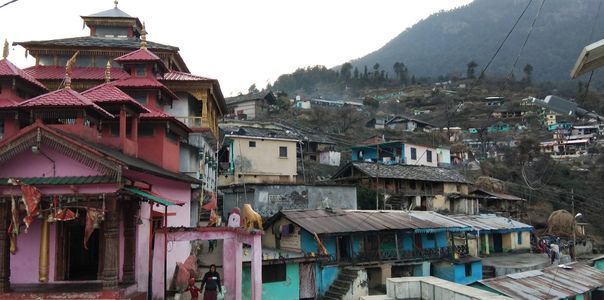
Nestled in the lap of the Garhwal Himalayas, Raithal Village is a hidden gem in the Uttarkashi district of Uttarakhand. Known for its old-world charm, warm-hearted locals, and breathtaking views of snow-covered peaks, Raithal is much more than just the starting point for the famous Dayara Bugyal trek. It is a place where time slows down, traditions stay alive, and nature greets you at every turn.
Situated at an altitude of around 1,800 meters, this peaceful village offers a perfect mix of culture, adventure, and sustainable mountain living. Whether you are a trekking enthusiast, a cultural explorer, or someone seeking a calm Himalayan retreat, Raithal welcomes you with open arms and countless stories.
In this detailed guide, we will explore everything about Raithal, including its scenic beauty, heritage sites, cultural richness, trekking routes, how to reach, and the best time to visit. By the end of this blog, you will understand why Raithal is one of the most underrated yet soul-stirring destinations in Uttarakhand.
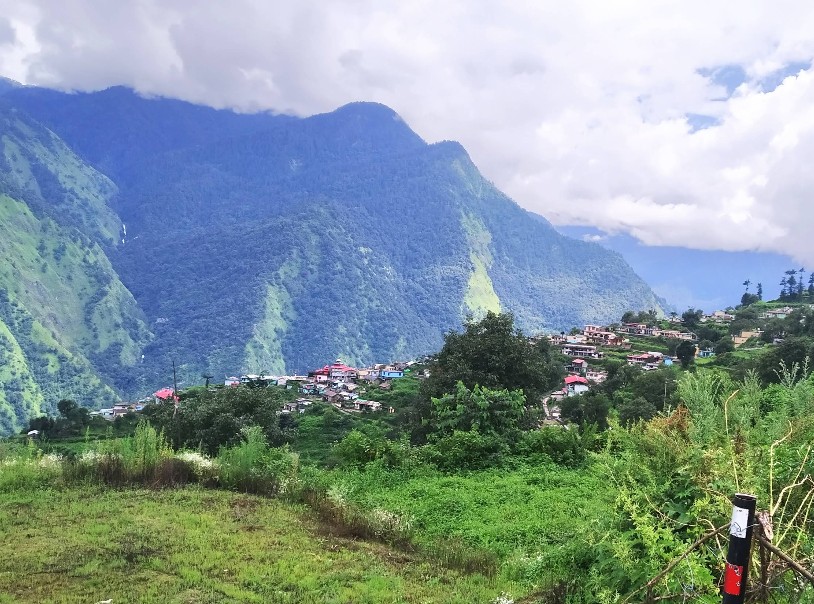
Where is Raithal Village Located
Raithal Village is located in the Uttarkashi district of Uttarakhand, India. It lies at an elevation of approximately 1,800 to 2,000 meters above sea level and is surrounded by dense forests, terraced fields, and panoramic views of the Himalayas. The village serves as the base camp for the Dayara Bugyal trek, one of the most beautiful high-altitude meadows in India.
Raithal is part of the Garhwal region and lies around 35 kilometers from Uttarkashi town, making it easily accessible by road. Its proximity to major spiritual and trekking destinations like Gangotri, Dodital, and Barsu makes it an ideal stopover for travelers looking to combine culture, nature, and adventure.
Despite its growing popularity among trekkers and eco-tourists, Raithal has preserved its peaceful, offbeat identity. With traditional wooden homes, vast views of Bandarpoonch Peak and Srikanth Peak, and a tightly-knit community of locals, Raithal offers a true Himalayan village experience far from the noise of city life.
Historical and Cultural Significance
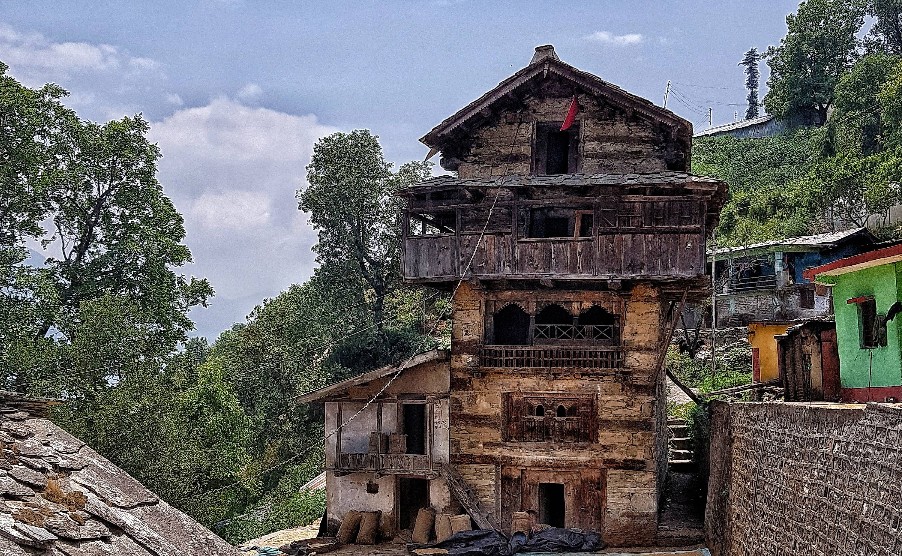
Raithal Village is not only blessed with natural beauty but also steeped in history, heritage, and cultural depth. One of the most iconic structures in the village is the Panchpura Bhawan, a remarkable five-story wooden house built over 500 years ago by Rana Gambhir Singh. This architectural marvel showcases the traditional Koti Banal style, known for its earthquake-resistant design using wood and stone. Panchpura Bhawan has stood strong through generations, a silent witness to the village’s past and pride.
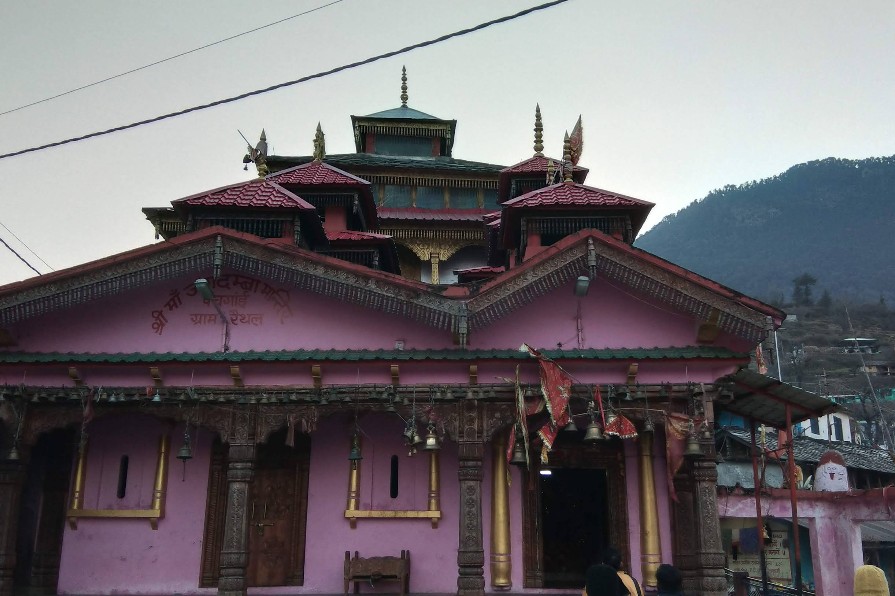
Another significant landmark is the Someshwar Temple, dedicated to Lord Shiva and Shani Dev. This centuries-old temple is not only a place of worship but also a center for spiritual and cultural gatherings. Locals believe that a divine flame inside the temple never goes out, symbolizing eternal blessings. The temple becomes the main attraction during seasonal fairs and festivals, when villagers come together to offer prayers and celebrate in harmony.
Raithal's cultural richness is also preserved through oral traditions, music, and folklore passed down through generations. The elders still share age-old stories tied to the mountains, gods, and their ancestors, keeping the soul of the Garhwal region alive. The wood carvings on houses, local deities, and traditional dress and jewelry reflect deep-rooted identity and spiritual connection of community with the land.
In every stone, every prayer, and every story, Raithal holds the legacy of a people who live in harmony with their history and the Himalayas.
Local Life and Traditions
Life in Raithal Village flows with the rhythm of the mountains, calm, rooted, and deeply connected to nature. The people here live a simple yet fulfilling life, supported by agriculture, livestock rearing, seasonal tourism, and age-old traditions that reflect the unique culture of the Garhwal Himalayas.
One of the most vibrant aspects of life in Raithal is its festivals. The village celebrates traditional events with great enthusiasm, and two of them are especially famous. The Butter Festival, also known as Anduri Utsav, is celebrated much like Holi, but instead of colors, villagers smear each other with curd, buttermilk, and butter. This joyful event marks the return of shepherds and livestock from the alpine meadows after the summer grazing season.
Another major celebration is the Phulyar Mela, when villagers gather to worship local deities and celebrate the blooming of the sacred Brahmakamal flower. During these gatherings, visitors can witness folk dances such as Panda Nritya, hear soulful Garhwali songs, and see colorful traditional garments that fill the village with festive energy.
Raithal is also known for its delicious Garhwali cuisine, which reflects the region’s self-sustaining way of life. Local dishes such as mandua ki roti, kafuli, chainsoo, and bhang ki chutney are prepared using ingredients grown in the village itself. Seasonal fruits like apricots and walnuts enrich the local diet, while pure honey produced in the village is both tasty and medicinal.
Traditional wooden houses with carved balconies, handwoven woolen shawls, and the custom of storytelling during long winter nights are not just traditions but a way of life in Raithal. The villagers are warm, hospitable, and always eager to share their stories with those who take the time to listen.
Trekking and Adventure Opportunities
Raithal is best known as the gateway to the Dayara Bugyal trek, one of the most scenic alpine meadow treks in Uttarakhand. But beyond this well-known trail lies a treasure trove of offbeat Himalayan adventures that make Raithal a dream destination for trekkers and nature lovers alike.
Dayara Bugyal Trek
The Dayara Bugyal Trek is one of the most beautiful meadow treks in India, located in the Uttarkashi district of Uttarakhand. This 3-4 day trek begins from the village of Raithal and stretches over a 22 km round journey. The trail passes through lush alpine forests, open meadows, and majestic mountain vistas. Known for its easy to moderate ascent, this trek is perfectly suited for beginners, families, and children, making it one of the most loved trekking destinations in the Garhwal Himalayas.
Reaching a maximum altitude of around 12,000 feet, Dayara Bugyal offers some of the most breathtaking views of the Gangotri range. From its highest ridges, trekkers can admire Mt. Bandarpunch, Black Peak (Kalanag), Srikanth, and Draupadi Ka Danda (DKD), along with several other snow-clad summits of the Garhwal range. The trail remains gradual throughout, which makes it an excellent choice for those looking to enjoy the beauty of nature without the strain of a steep climb.
Dayara Bugyal’s true charm lies in its seasonal transformation. During summer, the green pastures come alive with blooming wildflowers, while in winter, the snowy fields create a dreamlike landscape. Every turn reveals a new feature of this alpine wonderland, where nature lovers and adventure enthusiasts can lose themselves in its serenity.
Whether you are taking slow walks through the meadows, watching a golden sunrise, or simply resting amid the silence of the mountain forest, the Dayara Bugyal Trek feels like a soulful journey through nature’s amphitheater. It is a place where the peaceful trails of Uttarakhand meet the grandeur of the Himalayas, offering an unforgettable experience for every visitor.
Quick information-
- Duration: 3 nights & 4 days
- Max Altitude: 12,400 feet at Bakariya Top and 12,000 feet at Dayara Top
- Vast alpine meadows that bloom with wildflowers in summer and turn into a snowfield in winter
- Suitable for beginners and families due to its gradual and well-defined trail
- Stunning views of Himalayan peaks like Bandarpunch and Black Peak
Gidara Bugyal
Situated at an altitude of approximately 14000 feet in the Garhwal Himalayas of Uttarkashi, Gidara Bugyal is among the highest and most expansive alpine meadows in Uttarakhand. Resting at the base of the majestic Mount Bandarpunch, it remains one of the lesser-known gems, offering a surreal and offbeat trekking experience for mountain lovers.
Often compared to other famous meadows like Dayara Bugyal, Ali Bedni, and Kush Kalyan, Gidara stands out with its massive ridge walks and panoramic views. The Gidara Bugyal Trek, sometimes combined with the Dayara route, is gaining attention for its challenging yet rewarding terrain. As you ascend towards Gidara Top, the trail unveils a breathtaking 360-degree spectacle of the Himalayan range, including iconic peaks like Mt. Bandarpunch, Swargarohini, Srikanth, and the distant Gangotri group.
This trek is not just about natural beauty  it’s about the journey through thick alpine forests, the peaceful encounter with Gujjar settlements, and the silent grandeur of endless meadows. Gidara Bugyal is an ideal adventure for seasoned trekkers looking to push their limits while soaking in the calm and magnificence of Uttarakhand’s highlands.
- One of the largest high-altitude meadows in India
- Offers 360-degree Himalayan views from Gidara Top, including Swargarohini and Gangotri ranges
- Remote and less crowded, making it ideal for experienced trekkers seeking solitude
- Surya Top is a lesser-known viewpoint that can be reached by extending the Dayara Bugyal route. It offers a 360-degree view of the Garhwal Himalayas and is ideal for photography lovers and seasoned trekkers.
- Gui Village, just a short hike from Raithal, is a tranquil pasture surrounded by dense forestsâ€â€great for day walks, picnics, or overnight camping.
Dodital Trek
Tucked away in the tranquil Assi Ganga Valley of Uttarkashi lies Dodital, a sacred high-altitude lake revered as the mythical birthplace of Lord Ganesh. Also known as Dhundhital, this crystal-clear lake sits at an elevation of around 10,000 feet and is the source of the Assi Ganga River, which eventually merges with the Bhagirathi at Gangori. The journey to Dodital begins from the quiet Himalayan village of Agoda, perched at 7,300 feet  the last inhabited point in the Assi Ganga Valley.
Dodital is famous not only for its spiritual significance but also for its pristine setting, abundant freshwater trout, and a mystery that stirs every traveler  its depth remains unknown. The trail continues toward Darwa Pass, offering a stunning 180-degree view of the snow-laden peaks of the Saraswati and Gangotri ranges. Majestic mountains like Mt. Bandarpunch, Srikanth, Black Peak, Jaonli, and Gangotri shimmer in the distance. Darwa Pass was once a vital trail connecting to Hanuman Chatti and Yamunotri Dhaam, adding a layer of historical allure to the trek.
Serene, scenic, and spiritually rich, Dodital is a perfect escape into nature's purest form  ideal for trekkers, nature lovers, and seekers alike.
- Sacred freshwater lake believed to be the birthplace of Lord Ganesha
- Rich biodiversity, including trout fish and dense oak and rhododendron forests
- Opportunity to extend to Darwa Pass, offering views of Gangotri peaks and an old trail to Yamunotri
These treks aren’t just about reaching a destinationâ€â€they’re about immersing in untouched nature, listening to the silence of the woods, and witnessing the changing colors of the sky over Himalayan peaks. And the best part? You’ll likely be guided by a local from Raithal, making the journey even more personal and enriching.
Nature and Biodiversity
Raithal Village is a treasure trove of natural beauty and biodiversity, offering a window into the thriving ecological richness of the Garhwal Himalayas. Whether you're a nature enthusiast, a birdwatcher, or simply someone who loves quiet walks in the woods, Raithal is a place that effortlessly brings you closer to the wild.
The surrounding forests are filled with towering Deodar, Pine, Oak, and Rhododendron trees, creating lush green corridors in the summer and fiery shades of red and orange during autumn. These forests serve as natural filters for the air and water, and they support a wide variety of Himalayan flora and fauna.
Flora & Fauna
You can often spot Himalayan monals, woodpeckers, partridges, and countless other birds flitting through the trees. If you're lucky, you might even catch a glimpse of elusive wildlife like the musk deer, mountain goats, or even a leopard in the distant upper forest belts.
Wild Blooms & Orchards
Spring and early summer bring a riot of color to the meadows and trails around Raithal. Wildflowers, orchids, and herbs bloom across the landscape, attracting bees and butterflies. The village also has walnut, apricot, and apple orchards, which not only support the local economy but also add a scenic touch to the village walks.
Breathtaking Views
From Raithal and its nearby viewpoints, you get uninterrupted views of Himalayan peaks like Bandarpoonch, Srikanth, and Draupadi ka Danda. During clear days, these snow-capped giants rise like ancient guardians above the valley, glowing golden during sunrise and soft pink at sunset.
Every step you take in Raithal feels like a walk through a living, breathing landscape. The biodiversity here isn’t just background sceneryâ€â€it’s the heartbeat of the village.
Sustainable Tourism and Local Economy
Raithal Village stands as a shining example of how eco-tourism and traditional livelihoods can go hand-in-hand. Instead of allowing commercialization to overtake its natural and cultural heritage, Raithal has embraced a community-driven tourism model that empowers locals while giving visitors an authentic Himalayan experience.
Homestays and Village Living
One of the best ways to experience Raithal is by staying in locally run homestays. These traditional wooden homes, many of which are over a century old, have been thoughtfully adapted to offer comfort without compromising their heritage. Visitors enjoy home-cooked meals, organic produce from local farms, and warm interactions with their Garhwali hosts. Every stay directly contributes to the village economy and helps sustain these families.
The Goat Village Project
A standout initiative in Raithal is The Goat Village, which promotes sustainable farming, women-led enterprises, and agro-tourism. Here, travelers can stay in eco-friendly cottages, learn about organic farming and goat-rearing, and even try their hand at beekeeping or wool-spinning. This project has not only created employment for locals but also brought attention to the self-sufficient Himalayan lifestyle.
Local Occupations
Besides tourism, the primary sources of income in Raithal include agriculture, sheep and goat herding, honey production, and seasonal trekking support. During the trekking season, many young locals work as porters, guides, and cooks, sharing their expertise with visitors and ensuring safe, meaningful adventures in the mountains.
Eco-Conscious Practices
What sets Raithal apart is the community’s strong environmental ethic. Most villagers avoid plastic use, manage waste responsibly, and are actively involved in keeping the trails clean. There’s a deep respect for the forest and its resourcesâ€â€a mindset that tourists are encouraged to adopt during their stay.
Raithal’s approach to tourism isn’t just sustainableâ€â€it’s inspirational. Here, travel becomes a two-way exchange: you take home unforgettable experiences, and in return, you support a community’s dream to thrive without losing its roots.
How to Reach Raithal Village
Reaching Raithal Village is a journey through winding mountain roads, pine-covered hillsides, and charming Himalayan settlements. Though it lies in a remote corner of Uttarkashi, Raithal is well-connected by road and can be accessed comfortably from major cities in Uttarakhand and northern India.
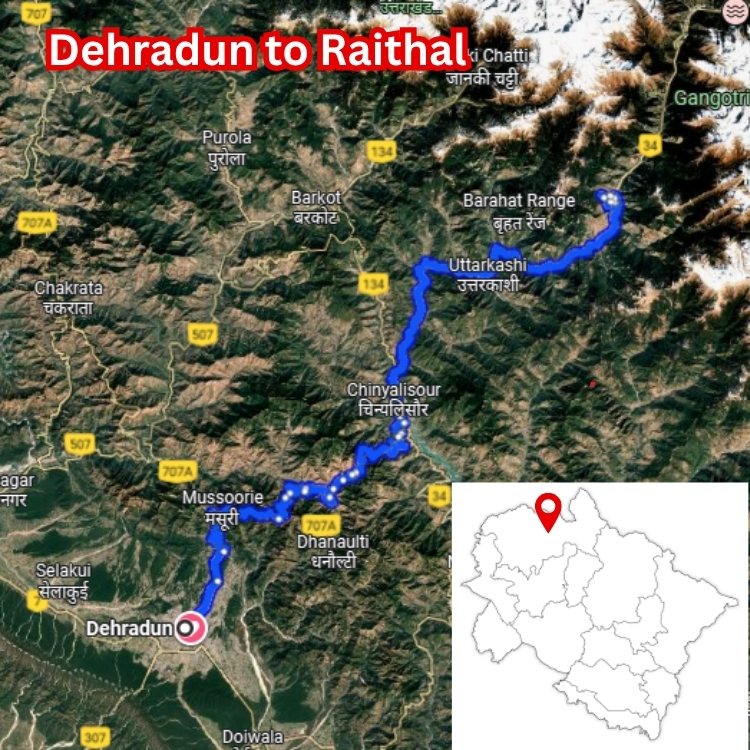
By Road
- From Dehradun: Raithal is about 180 km away and takes around 7–8 hours by car via Rishikesh or Mussoorie.
- From Uttarkashi: The village is approximately 35 km from Uttarkashi town. Taxis or shared cabs are easily available from the main market or bus stand.
- From Delhi: A road trip from Delhi covers roughly 450 km and takes around 12 hours. Most travelers break the journey with a stopover in Rishikesh or Uttarkashi.
By Train
- The nearest railway station is Dehradun Railway Station, which is well connected to Delhi, Haridwar, and other major cities.
- From Dehradun, you can hire a cab or board a bus to reach Uttarkashi, followed by a local ride to Raithal.
By Air
- The closest airport is Jolly Grant Airport, Dehradun, located around 200 km from Raithal.
- Regular flights operate from Delhi and other metro cities. From the airport, take a taxi or bus to reach Uttarkashi, and then proceed to Raithal by road.
Last Mile Connectivity
- From Uttarkashi, local taxis and shared jeeps ply to Raithal regularly, especially during the trekking season.
- The road to Raithal is scenic and in fairly good condition, winding through small villages, forests, and river valleys.
Reaching Raithal might take time, but the journey itself is part of the experience. Every turn brings you closer to tranquility, heritage, and the towering peaks of the Himalayas.
Best Time to Visit Raithal
Raithal is a year-round destination, but the experience changes beautifully with each season. From lush green meadows to snow-covered forests, Raithal offers a different flavor every few months. Here’s a breakdown of what to expect during each season:
Spring (March to May)
- One of the best times to visit Raithal.
- Forests come alive with blooming rhododendrons, and meadows are green and vibrant.
- Pleasant daytime temperatures make it ideal for trekking, camping, and photography.
- Clear skies offer stunning views of Bandarpoonch and Gangotri ranges.
Monsoon (July to August)
- The village turns lush and green, but trails can get slippery and prone to landslides.
- Travel is not recommended during heavy rains unless you're a seasoned traveler.
- However, for solitude seekers and nature lovers, this season unveils a mystical charm.
Autumn (September to November)
- Post-monsoon Raithal is peaceful, clean, and richly colored.
- Ideal for trekking as trails dry up and skies remain clear.
- Meadows at Dayara Bugyal glow golden, and temperatures stay cool and comfortable.
Winter (December to February)
- Perfect for those looking for snowfall, winter treks, and a magical Himalayan vibe.
- Raithal and the surrounding trails, including Dayara Bugyal, often get blanketed in snow.
- Homestays remain open, but temperatures can drop below freezing.
- Great for snow lovers, photographers, and offbeat winter travelers.
Overall Best Months:
- April to June for greenery, warmth, and easy treks
- September to November for peaceful treks and post-monsoon beauty
- December to January for snow adventures and winter wonder
Each season in Raithal offers something unique. Your choice depends on whether you're seeking wildflowers and treks, solitude and snow, or crisp mountain air and golden views.
Local Food and Culture of Raithal
Raithal is not just a scenic Himalayan village  it’s a place where Garhwali traditions are alive in every bite, every ritual, and every greeting. The warmth of its people, the flavors of its food, and the simplicity of its lifestyle make Raithal an unforgettable cultural experience.
Traditional Garhwali Cuisine
In Raithal, food is homemade, wholesome, and full of Himalayan goodness. Most dishes use locally grown grains, lentils, and vegetables, cooked in traditional style over wood-fired stoves.
Popular Local Dishes:
- Mandua Roti: Flatbread made from finger millet (mandua), a staple in this cold climate
- Chainsoo: Protein-rich curry made from roasted urad dal
- Jhangora Kheer: A sweet pudding made from barnyard millet
- Phaanu: A thick dal made from mixed pulses soaked overnight
- Gahat (Kulthi) Soup: A warm and nutritious horse gram preparation
- Bhatt ki Churdkani: A spicy black soybean curry served with rice
Most meals are vegetarian and cooked using local herbs and ghee, with very little oil. If you stay in a homestay, you’ll likely be served freshly prepared traditional meals by your hosts.
Local Lifestyle and Culture
Raithal’s people are warm-hearted, deeply connected to nature, and proud of their heritage. The culture is rich in festivals, rituals, and songs.
Key Cultural Highlights:
- Folk Music and Dance: Locals celebrate weddings and harvests with traditional music and Garhwali dance
- Festivals: Major festivals like Makar Sankranti, Harela, and Ganga Dussehra are celebrated with joy and community feasts
- Sustainable Living: Most villagers rely on terrace farming, cattle rearing, and eco-friendly ways of living
- Wood-Carved Homes: Many houses are built in traditional architecture, using stone and deodar wood
Raithal offers more than just views  it offers a deep cultural immersion that leaves travelers feeling connected to a timeless way of life. Whether you’re sipping hot tea in a wooden homestay or helping locals in their fields, you’ll feel like a part of the community.
Where to Stay in Raithal
Raithal is a hidden gem that offers peaceful and scenic stays far from the chaos of city life. Accommodation options here are primarily homestays, giving travelers a chance to live like a local while enjoying warm hospitality and delicious food.
Homestays in Raithal
Homestays are the heart of tourism in Raithal. They are simple, clean, and run by local families who open their homes to guests with genuine warmth. You’ll wake up to the sound of birds, enjoy fresh local meals, and get firsthand insights into village life.
What to Expect:
- Comfortable rooms with basic amenities and Himalayan views
- Home-cooked Garhwali meals with organic ingredients
- Interaction with the host family and local stories
- Some homestays also offer guided treks and cultural experiences
Popular homestays in Raithal include:
- Raithal Village Homestay
- Dayara Homestay
- Mountain Village Homestay
- Himalayan Haat Homestay
(Note: Availability may vary, so it's a good idea to call ahead or book through platforms like Booking.com or direct contact with locals.)
Camping Options
If you're trekking to Dayara Bugyal or Gui Bugyal, you can also choose to camp under the stars. Local operators and guides arrange camping gear, food, and permits.
Camping offers:
- Uninterrupted views of the mountains
- Star-lit skies and bonfire evenings
- A chance to disconnect completely and connect with nature
Raithal may not have luxury resorts, but what it offers is authenticity, soul-soothing views, and unfiltered village hospitality  an experience that stays with you long after your trip ends.
Nearby Attractions from Raithal
While Raithal itself is a destination worth exploring, its surrounding region is also rich in natural beauty and cultural charm. Here are some top places to visit near Raithal:
Barsu Village
Just a short drive away, Barsu is another base for the Dayara Bugyal trek. It offers equally scenic views and tranquil vibes. Perfect for offbeat travelers looking for serenity and simplicity.
Gangnani Hot Water Springs
Located around 20 km from Raithal, Gangnani is famous for its natural hot water springs and stunning views of the Ganges valley. Pilgrims often stop here en route to Gangotri. Take a dip in the thermal spring pools for a soothing, therapeutic experience.
Dodital Lake
For serious trekkers, the Dodital Trek can be extended from Raithal via Barsu. This crystal-clear high-altitude lake is known as the birthplace of Lord Ganesha and is surrounded by oak, deodar, and rhododendron forests. It’s a longer trek but extremely rewarding.
Uttarkashi Town Temples
Uttarkashi, about 35 km away, is a spiritual hub home to several ancient temples:
- Kashi Vishwanath Temple
- Shakti Temple
- Kuteti Devi Temple
It's a great spot to learn more about the cultural roots of Garhwal and stock up on essentials before heading further into the mountains.
Final Thoughts – Why Raithal is Worth Visiting
Raithal is not just a destination  it’s an experience.
It invites you to step out of the rush and into a world where snow peaks guard silent meadows, where time slows down with every village bell, and where the people welcome you like family.
Whether you're seeking a soulful escape, a moderate Himalayan trek, or a cultural immersion, Raithal checks all the boxes  offbeat, beautiful, sustainable, and unforgettable.
Before tourism changes it forever, now is the time to experience the untouched magic of Raithal.
So pack your bag, lace your boots, and discover what it means to truly breathe in the Himalayas.
Frequently Asked Questions (FAQs) – Raithal Village
Q1: Where is Raithal Village located in Uttarakhand?
Raithal is located in Uttarkashi district, about 35 km from Uttarkashi town, and serves as the base camp for the Dayara Bugyal trek.
Q2: Is Raithal the starting point for Dayara Bugyal trek?
Yes, Raithal is the official and most popular starting point for the Dayara Bugyal trek, a 4 day trek.
Q3: What is the best time to visit Raithal?
Raithal is best visited between April to June (spring-summer) and October to January (for snow). Avoid the monsoon season due to landslide risks.
Q4: Are homestays available in Raithal village?
Yes, there are several family-run homestays that offer warm hospitality, local food, and cultural experiences.
Q5: What are the top treks from Raithal?
- Dayara Bugyal Trek
- Gui Lake Trek
- Dodital Trek (via Barsu)
Q6: How far is Raithal from Dehradun?
Raithal is approximately 185 km from Dehradun and takes around 6 to 8 hours by road.
Q7: What festivals are celebrated in Raithal?
Local Garhwali festivals like Makar Sankranti, Basant Panchami, Butter Festival and traditional harvest festivals are celebrated with music, food, and rituals.
Q8: What is the altitude of Raithal village?
Raithal is situated at an altitude of around 1,800 to 2,000 meters (5,900 to 6,500 feet) above sea level.
Q9: Can I visit Raithal during snowfall?
Yes! Winter (December to February) offers snowfall and snow treks to Dayara Bugyal. It's cold but magical during this time.
Q10: Is Raithal suitable for family trips?
Absolutely. With its gentle trails, safe surroundings, and cultural depth, Raithal is ideal for families, seniors, and children alike.
Written By:
Mountains Curve

Hotels at your convenience
Now choose your stay according to your preference. From finding a place for your dream destination or a mere weekend getaway to business accommodations or brief stay, we have got you covered. Explore hotels as per your mood.