Ramadan in Saudi Arabia: Everything Travellers Need to Know
 Junaid Hasan
05 Feb, 2026
14 mins read
97
Junaid Hasan
05 Feb, 2026
14 mins read
97
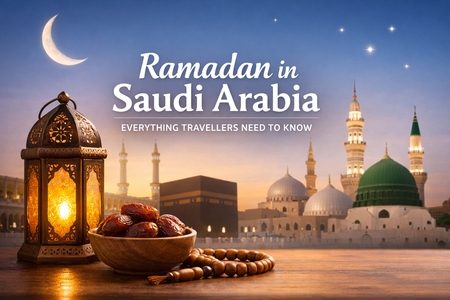
Visiting Saudi Arabia during Ramadan is not a limitation. It is an experience. The country slows down during the day and comes alive after sunset. Streets glow with lights, families gather for meals, and cities feel deeply cultural rather than purely commercial.
Travellers who arrive prepared usually leave with stories they never expected to collect. The key is understanding the rhythm instead of fighting it.
When Is Ramadan in Saudi Arabia?
Ramadan follows the Islamic lunar calendar, so its dates shift earlier every year by around ten or eleven days. Official confirmation depends on moon sightings, which means exact dates are often announced close to the start.
Many travellers search for Ramadan 2026 dates well in advance for planning. While projections exist, flexibility is wise because official declarations can vary by a day between countries.
If your travel plans depend heavily on schedules, always double-check closer to departure.
Why Ramadan Matters in Saudi Society
Saudi Arabia is home to Islam’s two holiest cities. During Ramadan, religion is not just visible. It shapes daily life.
Charity increases. Families gather every evening. Mosques fill with worshippers for night prayers. Even businesses adjust operations out of respect for fasting hours.
For visitors, this means witnessing a society aligned around shared purpose rather than scattered routines. It feels cohesive and sincere.
Daily Life During Ramadan
Working Hours
Government offices and many private companies reduce hours. Work usually starts later in the morning and ends earlier in the afternoon.
Shopping and Malls
Shops often close during daylight and reopen after sunset. Large malls can stay open past midnight.
Traffic Patterns
Expect heavy traffic about an hour before sunset as people rush home for Iftar, the fast-breaking meal.
Night Activity
After Iftar, cities transform. Cafes fill up, markets reopen, and families head out. Midnight can feel like early evening in many districts.
What Travellers Should and Should Not Do
Respect is the central rule. You do not need to fast, but you should avoid eating, drinking, or smoking in public during daylight hours. Hotels usually provide private dining areas for non-fasting guests.
Dress modestly. Loose clothing that covers shoulders and knees works well for both men and women. Loud music, public arguments, or disruptive behavior stand out more during this month, so keeping a calm presence helps.
Photography is generally fine in public places, but avoid taking pictures of people without permission, especially near mosques.
Food and Dining During Ramadan
Daytime food options outside hotels are limited. Most restaurants open shortly before sunset.
The evening, however, is a feast. Buffets, street stalls, and dessert shops overflow with variety. Traditional dishes like kabsa, sambousek, and sweet kunafa appear everywhere.
Many hotels host elaborate Iftar spreads. Even smaller eateries offer special menus. If you enjoy food culture, this is one of the best months to explore it.
Prayer Times and Travel Planning
Prayer happens five times daily. During Ramadan, the evening Taraweeh prayers draw large crowds. You may also hear people reciting or searching for a Taraweeh Dua, which is a common supplication during these nightly prayers.
Non-Muslims generally cannot enter the holy mosques in Mecca and Medina, but you can still admire the architecture from outside or explore the surrounding areas.
Plan tours around sunset and prayer breaks. Midday sightseeing can feel slow due to closures and heat.
Tourist Attractions During Ramadan
Most major attractions remain open, though hours shift.
- Museums often open later in the day
- Desert tours run but may start in the evening
- Entertainment zones and cinemas usually operate at night
- Religious sites have access rules depending on faith and location
The benefit is fewer daytime crowds and lively evenings.
Transportation and Mobility
Public transport functions normally with slight schedule tweaks. Ride-hailing apps become busy near sunset, so book earlier if you need a car. Airports and airlines operate as usual, but food service times might align with fasting hours.
Intercity travel is smooth, though evening buses and trains fill quickly.
Shopping and Night Markets
Ramadan nights are perfect for shopping. Traditional souks extend their hours, and temporary bazaars appear in many cities. Discounts are common, especially closer to Eid.
Look for handmade perfumes, dates, lanterns, and local textiles. These markets also offer insight into daily Saudi life beyond tourist brochures.
Accommodation Tips
Hotels adapt well to Ramadan. Many provide early morning Suhoor meals and large Iftar buffets. Booking early is wise in major cities, especially during the final ten days when religious travel increases.
Choosing accommodation near city centers gives you easier access to nightlife.
Health and Comfort for Non-Fasting Travellers
Stay hydrated discreetly. Carry a water bottle and drink in private spaces. Lightweight clothing and sunscreen are essential, especially in warmer months.
If you need food during the day, hotels and certain international chains usually remain open indoors.
Experiencing Iftar Like a Local
One of the most memorable experiences is joining an Iftar meal. Community tents often serve free food to anyone. Restaurants offer themed dinners. If a local invites you, accept graciously and arrive on time. Bringing a small gift like dates or sweets is appreciated but not required.
Major Cities vs Smaller Towns
Riyadh
Modern, fast-paced, filled with late-night dining and shopping options.
Jeddah
Coastal charm, relaxed atmosphere, strong food culture.
Mecca and Medina
Deeply spiritual, heavily focused on worship, with stricter access rules.
Smaller Towns
More traditional, quieter during the day, culturally immersive at night.
Safety, Laws, and Respectful Conduct
Saudi Arabia is generally safe for travellers. The main concern is cultural awareness rather than crime. Alcohol is prohibited. Public intoxication or disrespectful behavior can lead to serious legal trouble. Social media posts should also remain respectful, especially when referencing religion.
Advantages of Visiting During Ramadan
- Rich cultural immersion
- Festive decorations and community spirit
- Cooler nighttime exploration
- Unique culinary experiences
Challenges to Prepare For
- Limited daytime dining
- Adjusted sleep patterns
- Heat during midday sightseeing
- Reduced entertainment options before sunset
After Ramadan: Eid al-Fitr
Eid marks the end of fasting with celebrations, shopping sprees, and family gatherings. Travel demand rises sharply. Hotels and flights book out quickly. The mood is joyful and energetic, but the crowds increase.
Practical Packing Checklist
- Modest, breathable clothing
- Sunscreen and sunglasses
- Portable charger
- Reusable water bottle
- Comfortable walking shoes
Final Words
Ramadan in Saudi Arabia is not about restriction. It is about rhythm. Once you align with the flow of the day and night, the experience becomes rewarding rather than inconvenient. Respect the culture, stay flexible, and say yes to invitations when they come.
What you gain is not just a trip. It is a window into how a nation pauses, reflects, and celebrates together.
Frequently Asked Questions
Can tourists eat in public?
Not during daylight. Eat privately instead.
Are attractions closed?
Most remain open with adjusted hours.
Can non-Muslims enter mosques?
Access varies by city and mosque. Holy sites in Mecca are restricted.
Is it good for families?
Yes, especially for cultural exposure and evening activities.
Is it budget-friendly?
Daytime deals are common, but Eid period prices rise.
Written By:
Junaid Hasan

Hotels at your convenience
Now choose your stay according to your preference. From finding a place for your dream destination or a mere weekend getaway to business accommodations or brief stay, we have got you covered. Explore hotels as per your mood.