Ranthambore Safari: Into the Land of Tigers
 Mosim Khokhar
27 Sep, 2025
9 mins read
68
Mosim Khokhar
27 Sep, 2025
9 mins read
68
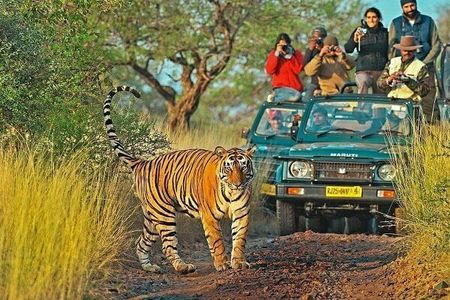
Ranthambore National Park is one of India’s most famous wildlife sanctuaries, attracting nature enthusiasts, wildlife photographers, and tourists from all over the world. Nestled in the state of Rajasthan, this sprawling park covers over 400 square kilometers and is renowned for its population of majestic Bengal tigers. But Ranthambore is not just about tigers-it is a blend of history, culture, and biodiversity. Ancient forts, serene lakes, and dense forests make this park a perfect destination for travelers seeking adventure and tranquility in equal measure. Exploring the park allows visitors to witness wildlife in its natural habitat, observe rare bird species, and understand the delicate balance of nature. Whether you are a student learning about ecosystems or a family looking for a weekend getaway, Ranthambore offers an immersive experience that educates, entertains, and inspires curiosity about wildlife conservation.
About Ranthambore National Park
Ranthambore National Park is located near the town of Sawai Madhopur in Rajasthan and is considered one of the largest national parks in Northern India. Established as a wildlife sanctuary in 1955, it gained national park status in 1980. The park is a part of Project Tiger, India’s wildlife conservation initiative aimed at protecting the Bengal tiger and other endangered species. Apart from tigers, Ranthambore is home to leopards, sloth bears, jackals, wild boars, and a wide variety of reptiles and birds. Its landscape is a combination of rocky hills, dry deciduous forests, and marshy lakes, making it a diverse ecosystem that supports rich flora and fauna.
Planning Your Ranthambore Safari
Choosing a Rajasthan Tour Operator
A successful safari begins with proper planning. Engaging a Rajasthan tour operator can make the entire experience seamless. Tour operators provide guidance on park entry permits, safari timings, and accommodation options. They also offer trained guides who can help visitors spot elusive wildlife and explain the ecological significance of the area. For beginners, operators arrange jeep or canter safaris, ensuring safety and comfort while maximizing the chance to witness tigers in their natural habitat.
Selecting the Right Rajasthan Tour Packages
When choosing Rajasthan tour packages, it is important to consider factors like the number of safari rides, duration of stay, and inclusion of other attractions such as Ranthambore Fort, Kachida Valley, and Padam Talab. Well-planned packages often include early morning and late afternoon safaris, which are the best times to spot tigers and other wildlife. Combining the safari with cultural experiences like village tours and local cuisine tasting can make the trip more enriching.
The Safari Experience
Jeep Safari vs. Canter Safari
Ranthambore safaris are usually conducted in either jeeps or canters. Jeep safaris allow a small group of tourists to move swiftly across the park, offering better flexibility and close-up wildlife photography opportunities. Canter safaris, on the other hand, can accommodate larger groups and are ideal for those who enjoy social travel experiences. Both types of safaris are guided by trained forest officials who have extensive knowledge of animal behavior and park terrain.
Wildlife Spotting Tips
The thrill of a Ranthambore safari lies in spotting its apex predator—the Bengal tiger. Tigers are elusive creatures, and spotting them requires patience and vigilance. Early mornings are ideal for sightings as animals are more active during this time. Other than tigers, visitors often see leopards lounging on rocks, langurs swinging through trees, and marsh crocodiles near water bodies. Using binoculars and a good camera can enhance the experience, while respecting wildlife guidelines ensures safety and conservation.
Historical and Cultural Significance
Ranthambore is not only a wildlife haven but also a historical treasure. The Ranthambore Fort, a UNESCO World Heritage Site, stands majestically within the park. Built in the 10th century, the fort offers panoramic views of the surrounding forest and provides insight into the region’s history. Local legends and stories of Rajput warriors add a cultural dimension to the safari experience, making it more than just a nature trip.
Ecological Importance
The park’s ecosystem plays a critical role in maintaining biodiversity in the region. Dense forests prevent soil erosion, lakes serve as water sources for animals, and the presence of apex predators like tigers regulates the population of herbivores. Ranthambore also supports numerous migratory birds, making it a hotspot for birdwatchers. By visiting and supporting eco-tourism, tourists contribute to conservation efforts and help sustain the local economy.
Real-Life Case Study: Tiger Conservation Success
Ranthambore is a prime example of successful wildlife conservation. In the early 1970s, tiger populations were dangerously low, with only a few individuals left in the wild. Through Project Tiger and strict anti-poaching laws, Ranthambore’s tiger population has steadily increased. Today, the park is home to over 60 tigers, demonstrating the impact of dedicated conservation initiatives. Tourists visiting the park play a role by raising awareness and funding for such projects.
Tips for First-Time Visitors
- Book Safaris in Advance – Tickets sell out quickly, especially during peak season (October to June).
- Carry Essentials – Water, binoculars, camera, sunscreen, and light clothing are recommended.
- Respect Wildlife – Maintain silence, avoid feeding animals, and follow park rules.
- Early Morning Safari – Increases chances of tiger sightings.
- Choose Reputable Operators – Experienced Rajasthan tour operators provide safety and better guidance.
Conclusion
A Ranthambore safari is more than just a trip into the wild-it is an educational and unforgettable adventure. From witnessing the majesty of Bengal tigers to exploring ancient forts and understanding the delicate ecosystems, every moment offers a unique learning experience. By planning carefully through reliable Rajasthan tour operators and selecting suitable Rajasthan tour packages, tourists can maximize both safety and enjoyment. Visiting Ranthambore not only provides personal enrichment but also contributes to the preservation of one of India’s most iconic wildlife reserves.
FAQ
1. When is the best time to visit Ranthambore?
The ideal time is from October to June, when the weather is pleasant, and wildlife sightings are more frequent.
2. How many safaris are recommended per visit?
Most tourists take two safaris per day-one in the early morning and another in the late afternoon.
3. Can children go on the safari?
Yes, Ranthambore safaris are suitable for children above 5 years, with adult supervision.
4. Are there accommodations inside the park?
Yes, there are government-run and private resorts both inside and near the park offering comfortable stays.
5. Do I need to book safaris in advance?
Absolutely. Advance booking through official websites or trusted Rajasthan tour operators ensures availability and avoids last-minute hassles.
Written By:
Mosim Khokhar

Hotels at your convenience
Now choose your stay according to your preference. From finding a place for your dream destination or a mere weekend getaway to business accommodations or brief stay, we have got you covered. Explore hotels as per your mood.