Reasons Why India’s Beauty Outshines Social Media Hate
 Sukat Mandi
20 Sep, 2025
17 mins read
169
Sukat Mandi
20 Sep, 2025
17 mins read
169

Open a social media feed and type India into the search bar, and chances are you'll be served videos showing overcrowded streets, polluted rivers, or clips that reduce an entire nation to a meme. TikTok, Twitter, and Instagram make it easy to consume small fragments of life taken out of context, but those fragments rarely tell the whole story. For a country as vast and layered as India, no ten-second video could possibly do justice to its complexity. And yet, these clips fuel an endless stream of online hate, shaping the perceptions of millions who have never stepped foot on the subcontinent.
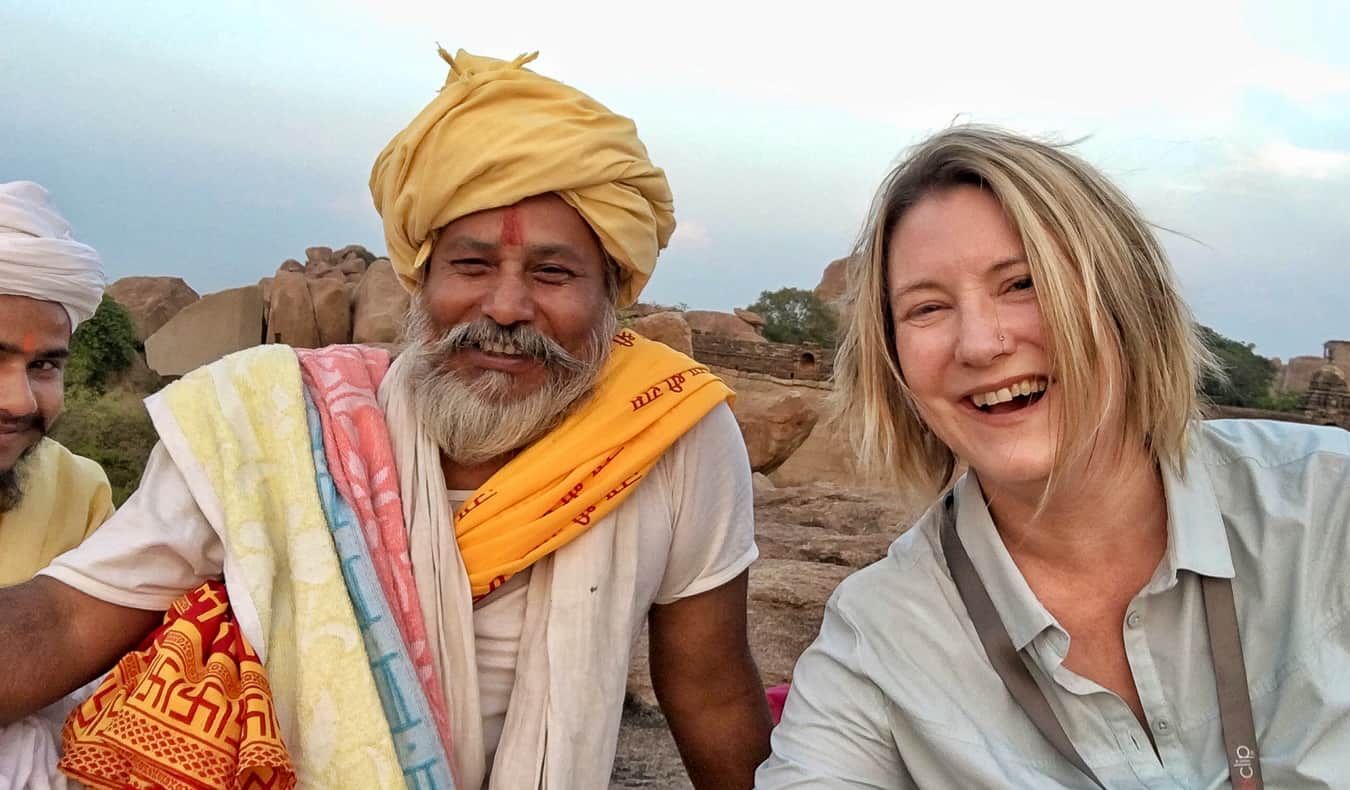
But ask anyone who has actually been there, and you'll hear something very different. Travelers, business leaders, entrepreneurs, and professionals from around the world describe a country that is breathtaking in its diversity, humbling in its hospitality, and relentless in its drive to innovate and create. Their stories don't gloss over India's challenges, but they shine a light on the human spirit, the cultural richness, and the beauty that social media hate conveniently ignores.
A Country Larger Than Its Stereotypes
The first thing that strikes most visitors to India is how alive it feels. The sights, the sounds, and even the chaos carry a rhythm that is both overwhelming and captivating. Ron Harper, a Canadian legal professional, remembered wandering through the markets of Delhi and Jaipur and later down to Kerala. He described the energy as unforgettable, noting how the smell of spices mixed with the sound of temple bells and the honking of scooters created an atmosphere unlike anywhere else. India is far more layered than the images people see on social media, he explained, pointing out that those who rely on TikTok for perspective are missing an entire world.
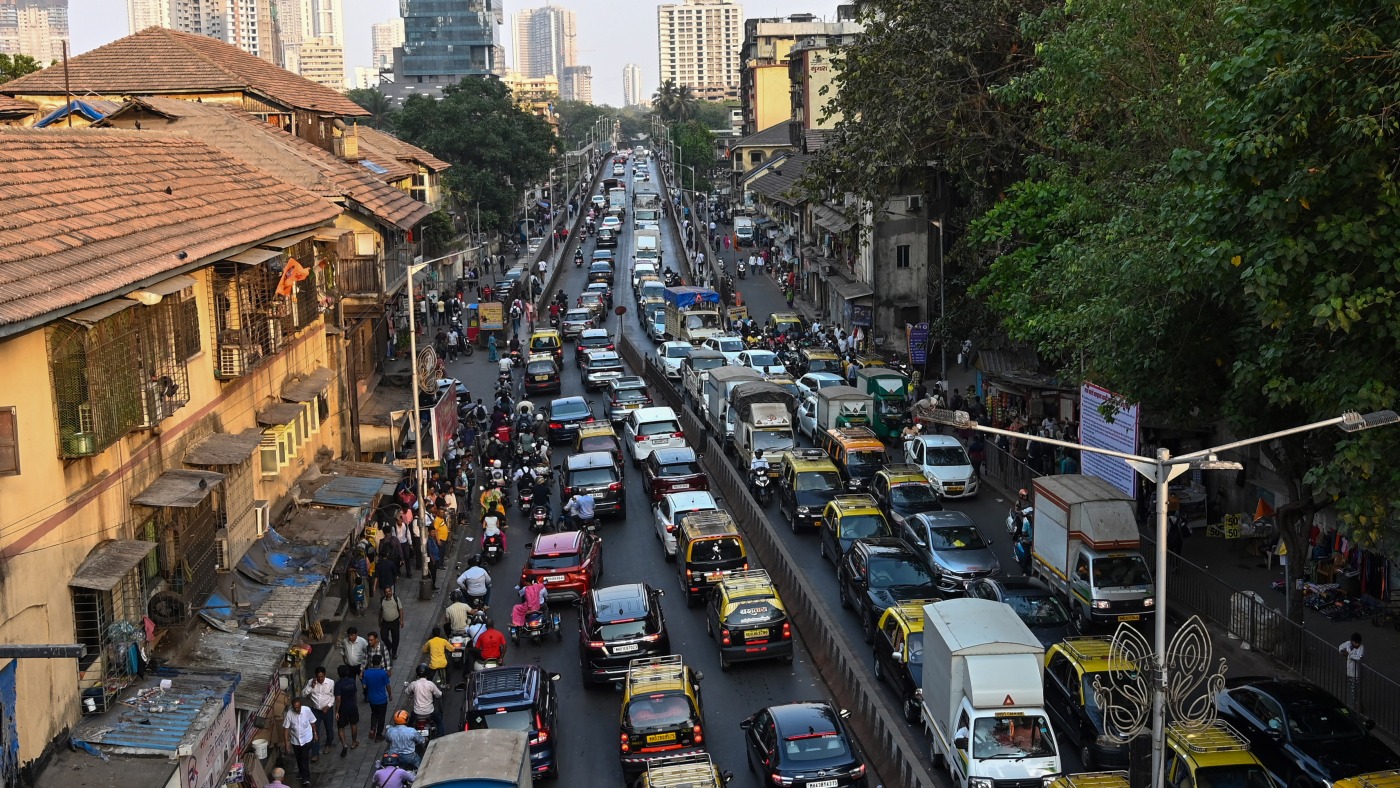
That layering of life, ancient and modern, noisy and serene, reveals itself in countless ways. In Mumbai, you might pass a glass-walled office tower filled with IT workers and then step across the street to buy tea from a chai wallah who has brewed the same recipe in the same spot for three decades. Daniel Vasilevski, an Australian business owner, saw that contrast firsthand. You can walk out of a high-rise office tower in Mumbai, cross the street, and sit next to a chai wallah brewing tea at the same spot for 30 years, he said. For him, that coexistence of tradition and progress defines India in a way that social media will never capture.
Hospitality That Cannot Be Fabricated
If there is one theme that emerges again and again in visitors' accounts, it is hospitality. For many, kindness from strangers becomes the defining memory of their trips.
Faraz Hemani, who runs a logistics business in the United States, remembered how even shopkeepers treated him like an old friend. Even the shopkeepers remembered my name, he said, adding that locals not only helped with directions but did so without asking for anything in return. That absence of transactional expectation is rare in today's world, but it is commonplace in India.
Caspar Matthews experienced something similar in Punjab when he lost his wallet, stuffed with cards and essentials. Panic set in until, an hour later, an elderly man returned it intact, smiling with joy at being able to reunite him with it. I lost my wallet in Punjab, and an old man returned it to me, Caspar recalled. Online hate may try to portray India as corrupt or unsafe, but acts like these paint a very different reality.
For others, the generosity went far beyond simple assistance. Bennett Barrier, a CEO from Texas, remembered being invited into a Jaipur home for dinner after a chance meeting. They acted like I had known them for a very long time, he said, describing the homemade food and heartfelt stories as a moment no headline would ever show. Similarly, Oliver Morrisey, a lawyer from Australia, spoke about wandering into a small village outside Udaipur, where an elderly couple welcomed him into their courtyard. They served him spiced chai and roti fresh from the stove. They offered me a cup of spiced chai; it was a transcendent moment for me, he said. Their home had mud walls and a thatched roof, but the generosity was boundless.
These stories illustrate a simple truth: hospitality in India is not a staged performance for tourists, but a deeply ingrained cultural value.
Innovation and Ambition Behind the Noise
India is not just a land of temples, markets, and villages; it is also one of the fastest-growing economies in the world, with a thriving startup ecosystem. For those who look beyond social media hate, what they find is a country bursting with ambition.
Paul DeMott remembered spending hours with a young entrepreneur in Bangalore who built a logistics software company with less than $5,000 in capital. Within six months, the venture was serving dozens of businesses. spent two hours with a 22-year-old entrepreneur in Bangalore who bootstrapped a logistics software company with less than 5000 dollars in capital, Paul recalled. That story of drive and resilience is one of thousands happening every day across India.
Suvrangsou Das, a PR strategist, echoed the sentiment. Engineers in small towns are developing blockchain products worth millions of dollars currently, he said. To him, the true India is a place where innovation thrives even in the humblest corners, fueled by cheap cups of tea and long nights of coding.
These stories reveal what the online hate overlooks: that beneath the surface noise, India is helping to shape the future of technology, medicine, and business on a global scale.
Landscapes That Defy Imagination
India's geography is as diverse as its people. Doug Crawford has visited five times, and each trip has taken him to a new world. I have seen the light from the sun turn the Himalayas pink, he said, describing mornings in the mountains that feel surreal. In other trips, he wandered through tea estates in Kerala, deserts near Jaisalmer, and mangroves in the Sundarbans. For him, each region felt like a different country stitched together into one.
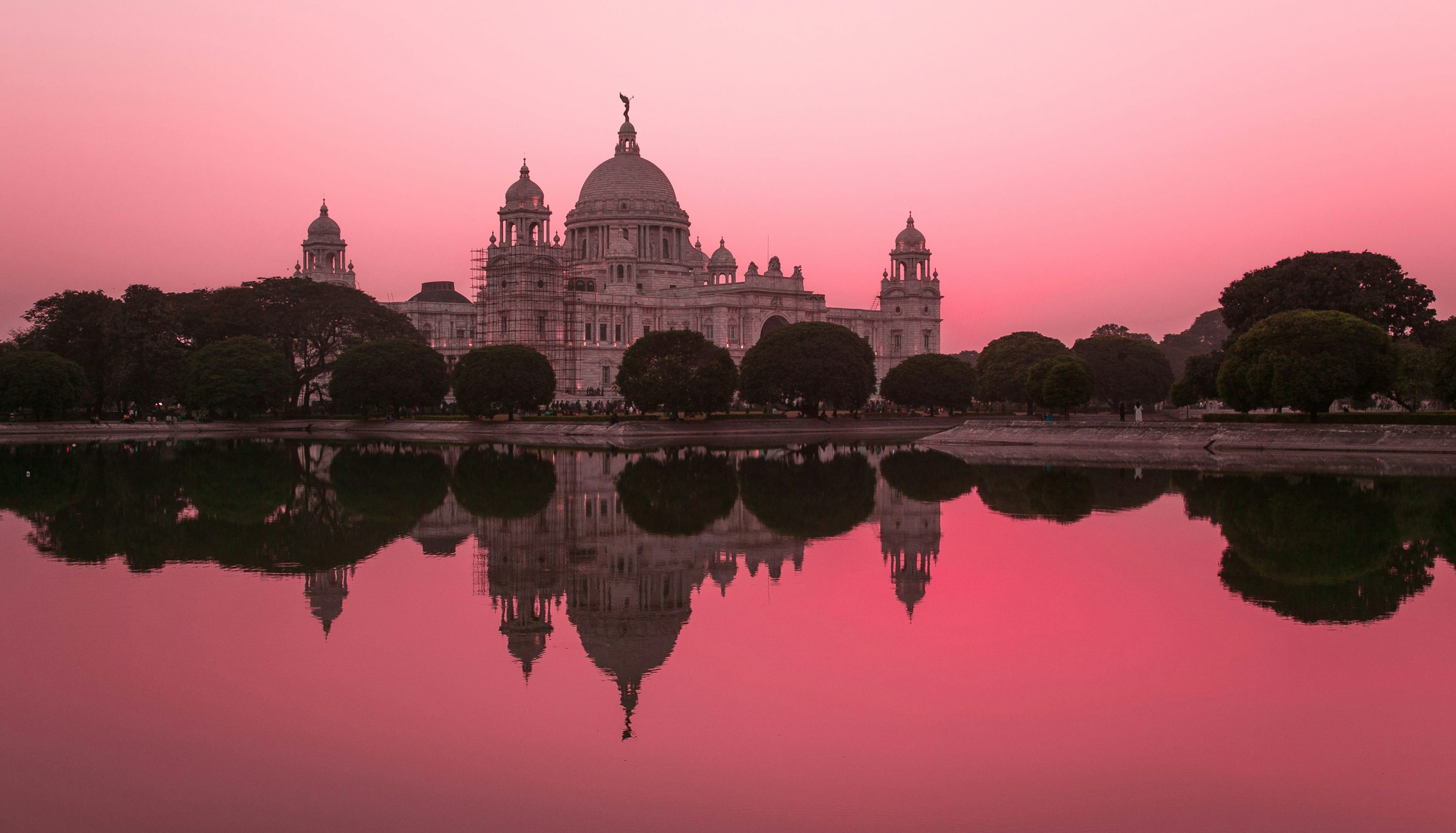
Matt Woodley was struck by the cultural landscapes just as much as the physical ones. You can walk through 500+ year old temples, eat food laced with layers of spice that express history and trade, and visit a festival that takes over an entire city in lights and music, he said. For him, India's creativity is embedded not only in its cuisine and festivals but in the very layout of its cities, which pulse with history.
Together, these accounts show how India overwhelms the senses in ways that short, selective online videos never could.
Human Moments That Last a Lifetime
Travel often comes down to small, fleeting encounters, ones that social media will never capture because they are too quiet, too ordinary, and yet too profound.
Steve Case recalled being lost in Mumbai during rush hour, struggling to board a train. A stranger noticed his confusion, guided him to the right platform, and made sure he boarded safely. He made sure I was on the right train, and even gave me helpful tips for the next stop, Steve said. No money was asked for, no reward was expected. It was simply help offered because it was needed.
Austin Rulfs had a similar experience in Punjab, where a local man spent 30 minutes walking with him to find the right station. One guy spent 30 minutes guiding us to the nearest train station, Austin recalled. For him, that patience and kindness spoke louder than any online insult.
On a quieter day, Dr. Carolyn Kittell was dozing on a train when a woman noticed and handed her a cup of coffee. Someone handed me a cup of coffee because she saw me getting sleepy; she remembered, laughing at how such a simple gesture left a lasting mark.
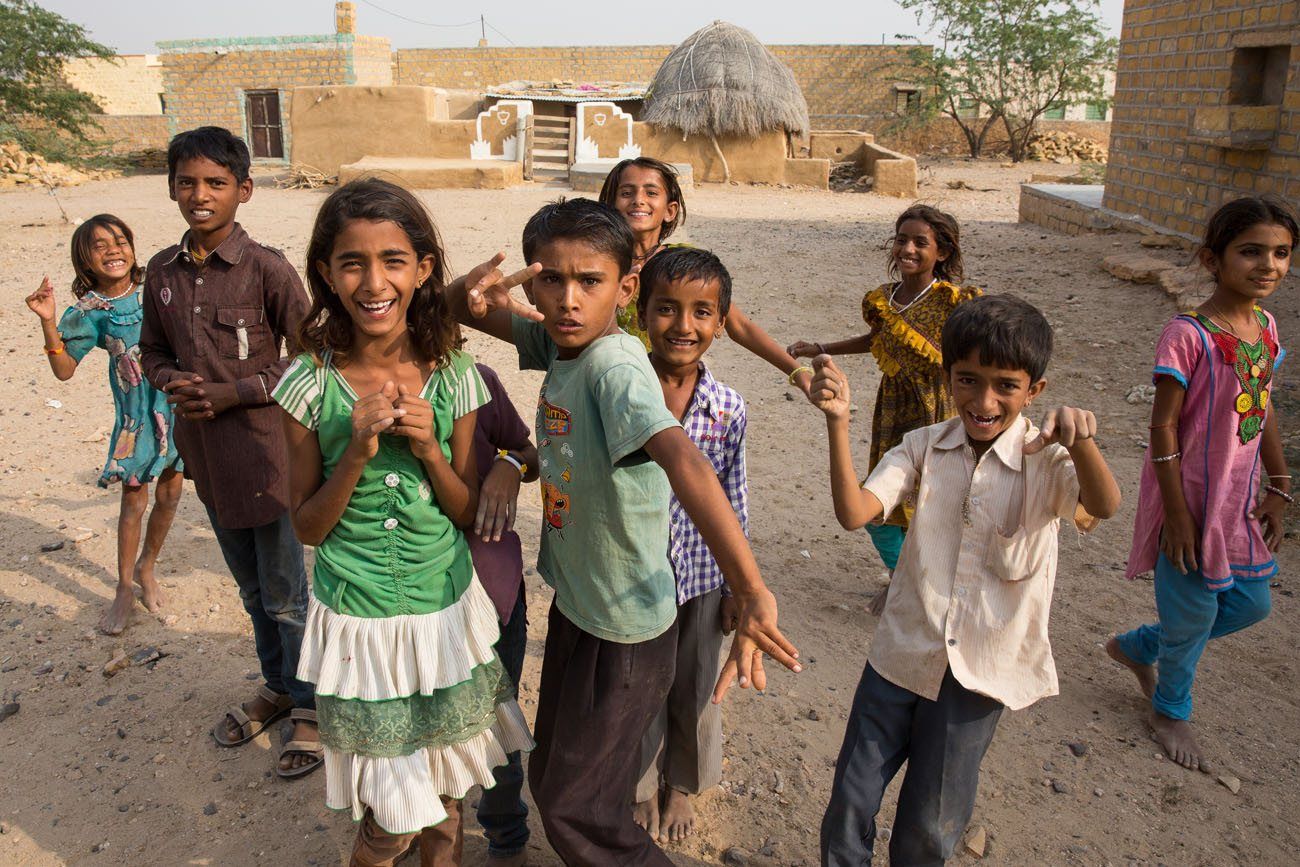
And in Bangalore, Rengie Wisper watched children from different economic backgrounds playing cricket together in a park. The teams were a mix of kids from different economic backgrounds, all playing together, he said. That image of unity contrasted sharply with the divisions often exaggerated online.
Diversity That Cannot Be Reduced
India is home to more than a billion people, hundreds of languages, and countless traditions. To reduce that vastness to a stereotype is not only misleading but unjust. Brad Jackson summed it up well: To reduce a country of over one billion people to either a stereotype or a negative image is an injustice not only to their cultures, but also to the humanity we all share.
Dr. Maria Knobel echoed that sentiment after her travels: What I have experienced was a nation brimming with history, colour and hospitality. She recalled being welcomed into households in Kerala, treated like family, and fed meals that spoke of generations of tradition.
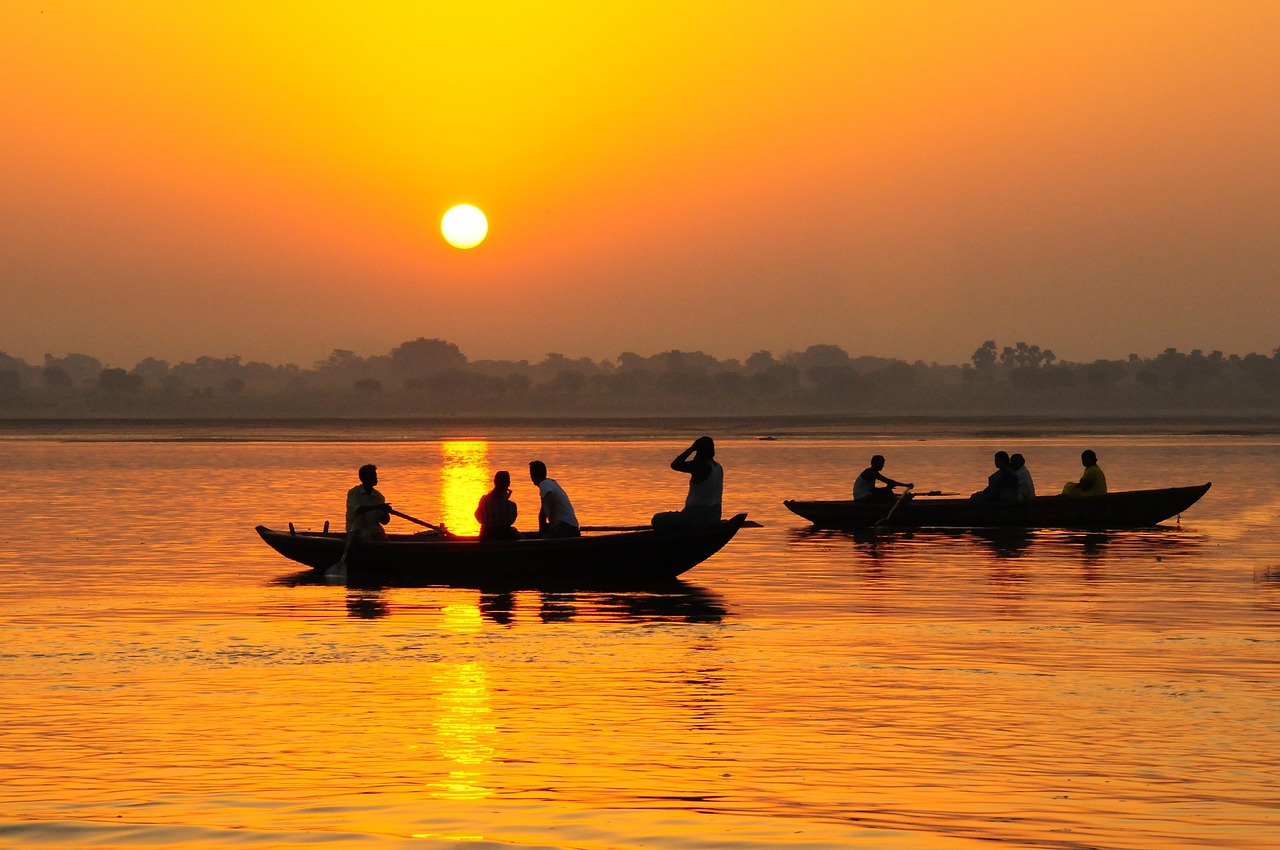
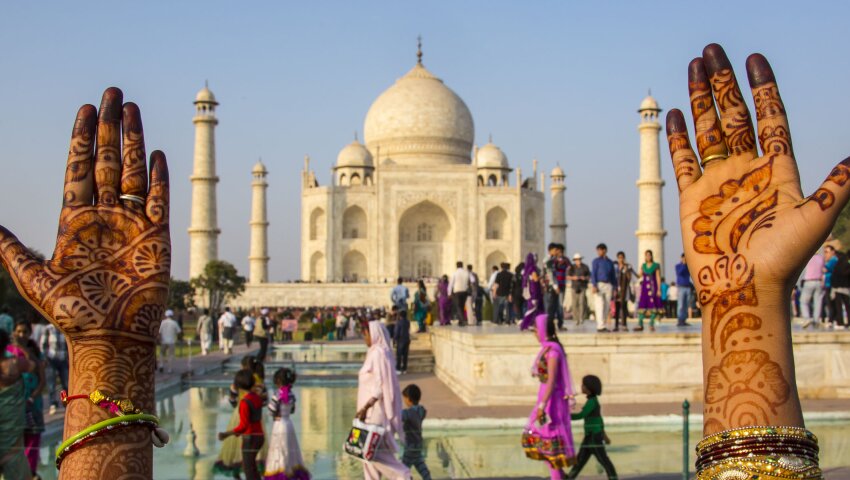
Fahad Khan added, India is a country full of colour, warmth and diversity, with every corner of the street telling a story. And for Zack Moorin, the lesson is about unity: I would tell them to appreciate the diversity of this country and how it all somehow still fits together.
These voices remind us that India cannot and should not be judged through a single lens.
A Call for Perspective
Social media hate thrives on exaggeration. It thrives on highlighting flaws without context, pushing stereotypes without nuance, and rewarding negativity with likes and shares. But the real India, as told by those who have been there, is a place of generosity, resilience, and staggering beauty.
David Ciccarelli, who has built a career in travel technology, described it best: India is not just a country, it is a place of extraordinary contrasts.
Marc Bromhall offered a reminder to critics: Don't be so quick to judge and instead show a little sympathy for people less fortunate than you.ÂÂ
And perhaps the bluntest words came from Zack Moorin: Open those beady eyes, and take a good look at the real India.ÂÂ
Conclusion: Outshining the Hate
The India that exists beyond the screen is one of chai offered freely, strangers guiding lost travelers, wallets returned, and cricket games where background doesn't matter. It is a land where engineers in small towns code blockchain platforms after midnight, where families welcome you into their homes after only minutes of knowing you, and where the light at dawn turns the Himalayas pink.
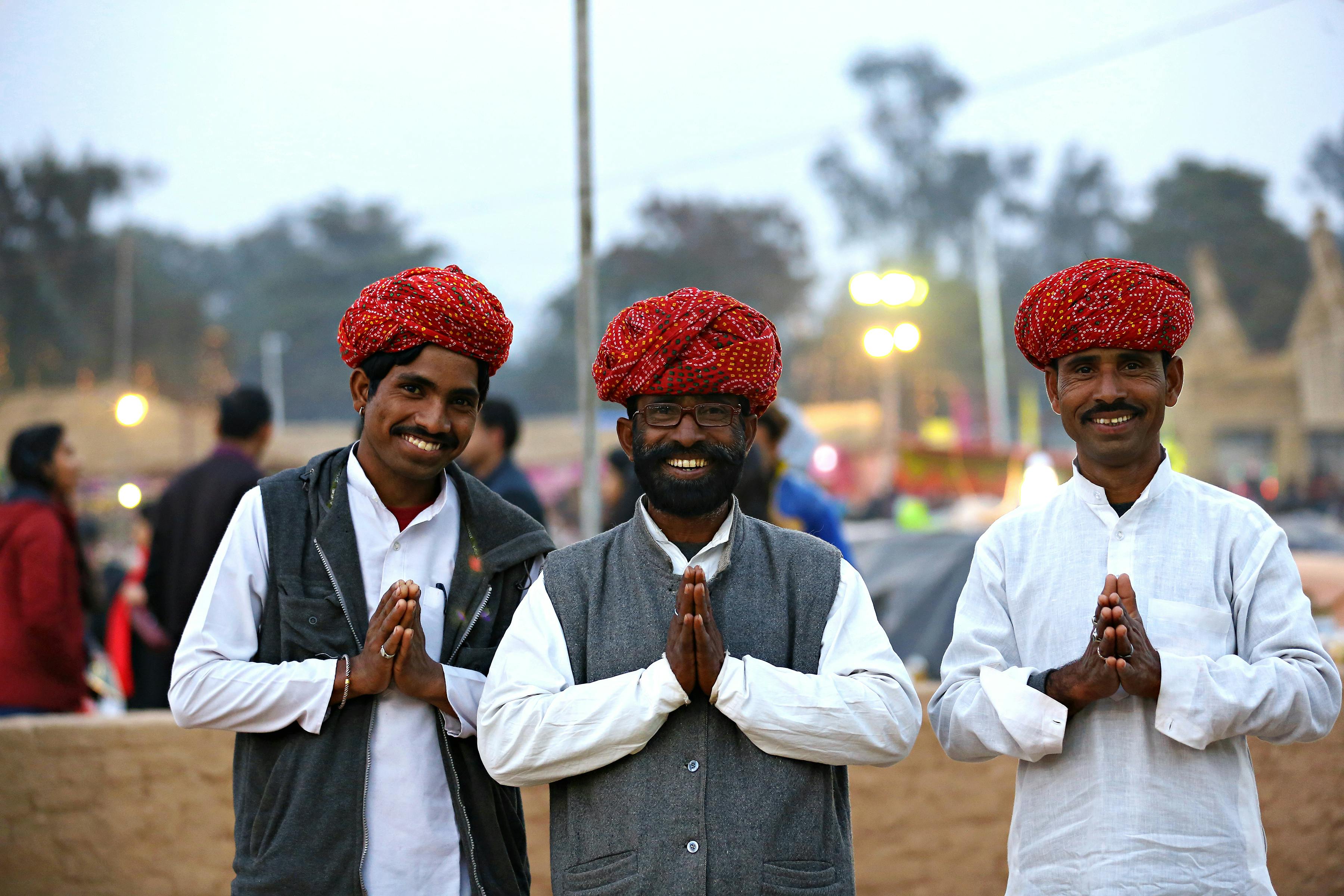
The hate online will always exist, amplified by the mechanics of social media. But the stories of those who have seen India firsthand show why the country's beauty outshines it every time. India is too big, too complex, and too generous to be reduced to a digital caricature.
To truly understand it, you have to go there, breathe its air, share its food, walk its streets, and talk to its people. And when you do, you may find yourself, like so many others, defending it from the very hate you once scrolled past.
window.NREUM||(NREUM={});NREUM.info={"beacon":"bam.nr-data.net","licenseKey":"NRJS-3109bb2e2783f515265","applicationID":"558315209","transactionName":"blUHbEVQCxECBUVQWVcfMEpeHhARBhRCFlRVXwIXVEMAAxcDU1VZXh4VUEc=","queueTime":0,"applicationTime":161,"atts":"QhIEGg1KGB8=","errorBeacon":"bam.nr-data.net","agent":""}
Written By:
Sukat Mandi

Hotels at your convenience
Now choose your stay according to your preference. From finding a place for your dream destination or a mere weekend getaway to business accommodations or brief stay, we have got you covered. Explore hotels as per your mood.